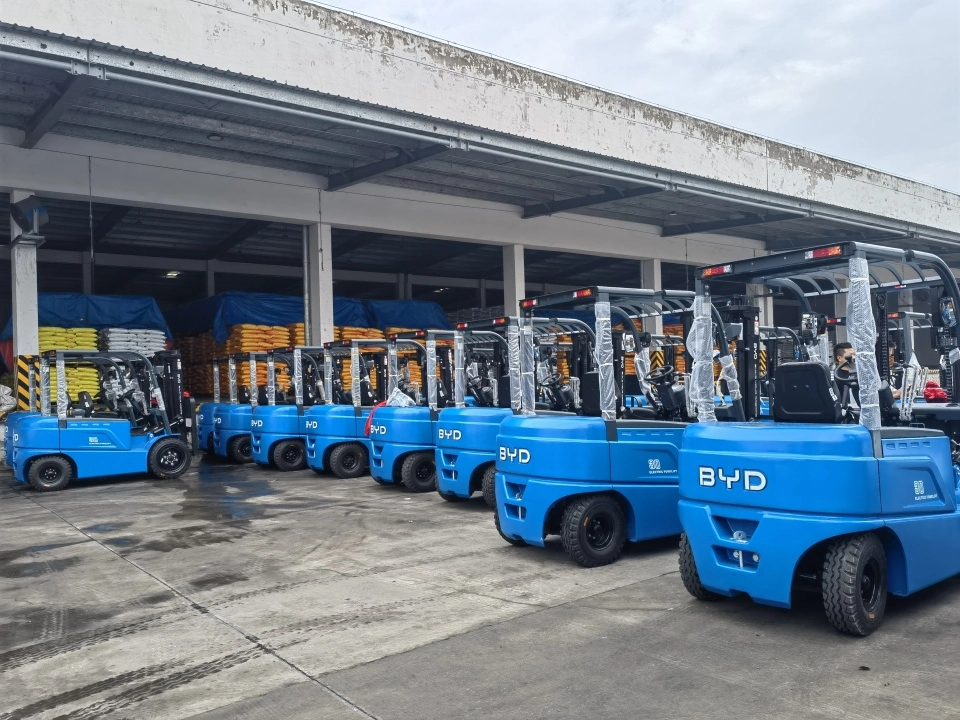
When your forklift’s original battery begins showing signs of diminished performance—like shorter run times or sluggish charging—it’s critical to invest in a reliable replacement. Choosing the right battery is key to sustaining operational efficiency, minimizing downtime, and upholding workplace safety. This guide breaks down essential considerations to help you make a smart purchase decision.
Start by assessing your forklift’s specific operational requirements. First, review your forklift’s model and manufacturer guidelines, as different models demand batteries with precise voltage and capacity ratings. Next, analyze daily usage patterns: how many hours does the forklift run per shift? Does it handle heavy loads continuously, or is usage intermittent? Also, factor in your work environment—extreme temperatures, dusty spaces, or moisture exposure can impact battery performance and lifespan. For instance, batteries used in cold storage may need specialized features to maintain consistent output in low temperatures.
Next, familiarize yourself with common forklift battery types and their suitability. Lead-acid batteries are widely used due to their lower upfront cost, but they require regular maintenance such as water topping and terminal cleaning, and have a shorter cycle life than alternatives. Lithium-ion batteries offer longer cycle life, faster charging, and minimal maintenance, though they come with a higher initial investment. Evaluate your budget, maintenance capabilities, and long-term operational costs to determine which type aligns best with your needs.
Then, prioritize key performance parameters that directly affect operational efficiency. Focus on battery capacity, measured in ampere-hours (Ah), which dictates how long the forklift can operate on a single charge. A higher Ah rating is ideal for forklifts with extended daily use. Cycle life, the number of charge-discharge cycles a battery can withstand before performance declines, is another critical metric—opt for batteries with a high cycle life to maximize long-term value. Additionally, consider charging time; faster charging can reduce downtime between shifts, but ensure your charging infrastructure supports the battery’s requirements.
Finally, don’t overlook warranty and after-sales support. A robust warranty protects you against manufacturing defects and unexpected performance issues. Check the warranty duration and coverage, including parts and labor. Also, inquire about the supplier’s after-sales services: do they offer on-site maintenance and repairs? How quickly can they respond to battery-related problems? Reliable after-sales support ensures prompt resolution of issues, minimizing disruptions to your operations.
By taking the time to assess your needs, understand battery types, evaluate performance specs, and review support options, you can select a reliable forklift replacement battery that boosts productivity and delivers long-term value. Making an informed choice now will save you time and resources in the future, keeping your forklift fleet running smoothly.