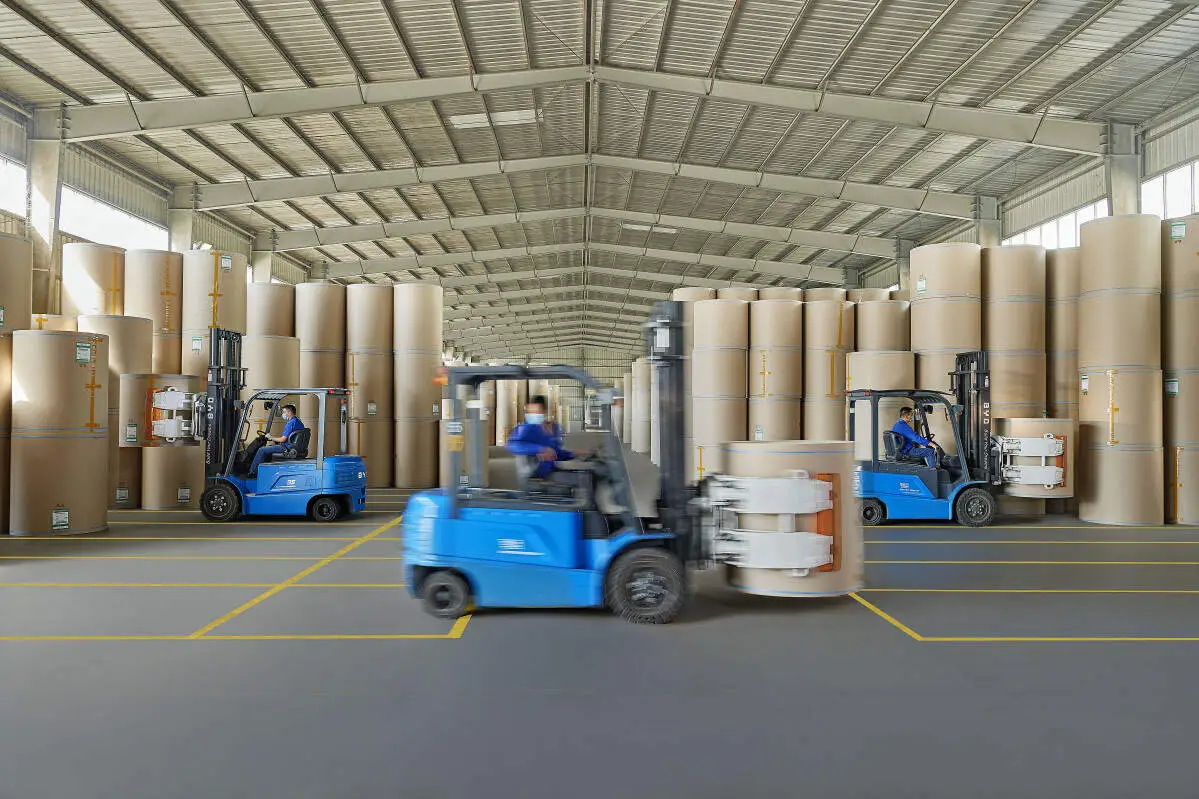
As the UK logistics and warehousing sector continues to prioritise cost-efficiency, secondhand forklift trucks have become a popular choice for businesses looking to expand their equipment fleet without overspending. However, purchasing a used forklift requires careful consideration to ensure reliability, safety and long-term value.
Start by conducting a thorough inspection of the mechanical and electrical components, especially critical for electric models. For electric forklifts, examine the battery’s health – check its charge retention capacity and inquire about the number of charge cycles it has completed. Listen for unusual noises from the motor during a test drive, inspect brake responsiveness and assess the condition of tires and steering mechanisms. It’s advisable to hire a qualified technician to perform a detailed assessment, as hidden issues can lead to costly repairs later.
Next, verify that the forklift complies with UK regulatory standards. Ensure it has a valid LOLER (Lifting Operations and Lifting Equipment Regulations) inspection certificate, which confirms the equipment is safe for use. Check that essential safety features, such as seatbelts, warning lights and emergency stop buttons, are fully functional. Non-compliant forklifts can pose legal risks and workplace safety hazards, so this step is non-negotiable.
Review the forklift’s usage history and maintenance records to gain insight into its past performance. Ask the seller about the typical operating environment – whether it was used indoors in a warehouse or outdoors on uneven terrain – as this affects wear and tear. Request maintenance logs to confirm regular servicing, including battery checks, oil changes and part replacements. A well-documented maintenance history indicates the forklift has been properly cared for, reducing the likelihood of unexpected breakdowns.
Assess the availability of after-sales support and any warranty offered by the seller. Even with a thorough inspection, used equipment may require repairs down the line. Ask if the seller provides a short-term warranty or can recommend trusted local service providers. Having access to reliable support ensures minimal downtime if issues arise, keeping your operations running smoothly.
Finally, compare prices across different sellers to ensure you get a fair deal. Consider factors such as the forklift’s age, total operating hours, condition and included features when evaluating pricing. Avoid choosing the cheapest option without verifying its condition, as it may lead to higher long-term costs. Negotiate based on your inspection findings and market research to secure a price that aligns with the forklift’s actual value.
By following these tips, businesses in the UK can confidently navigate the secondhand forklift market, selecting equipment that meets their operational needs while staying within budget.