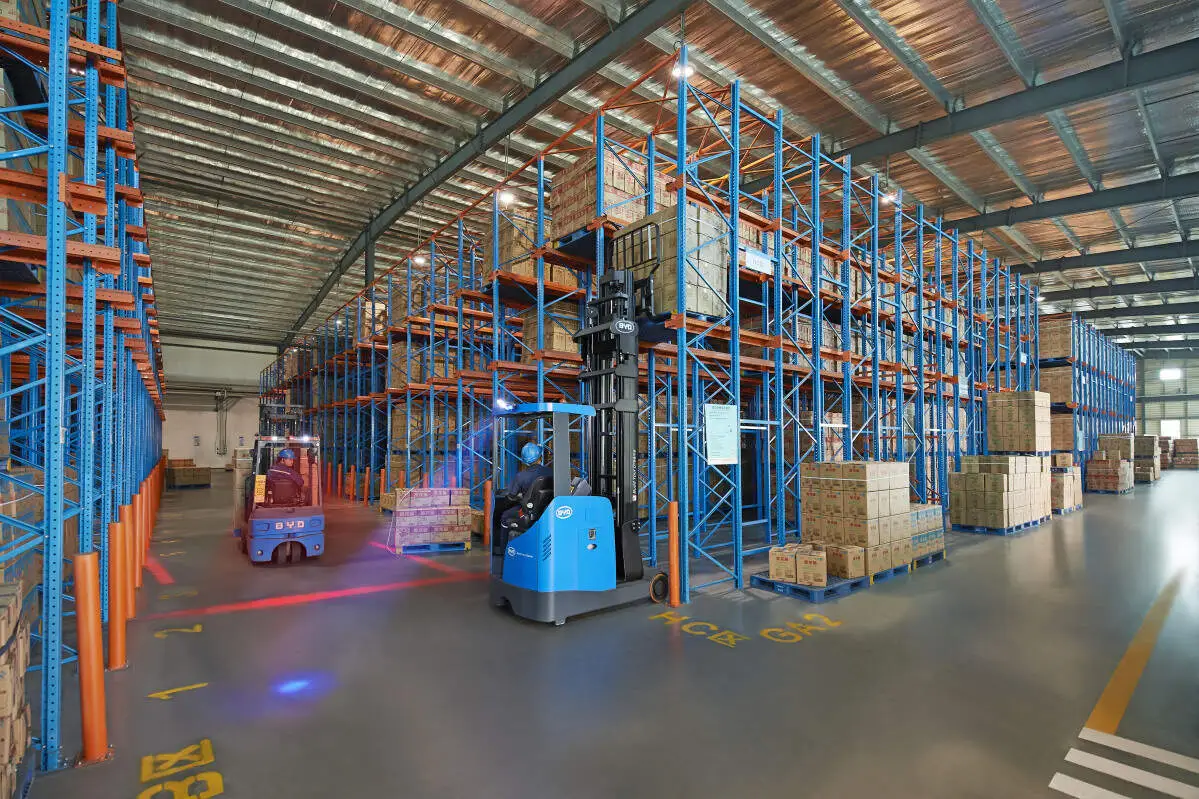
When renting a forklift safety cage for elevated work tasks, thorough pre-on-site deployment checks are essential to protect workers, prevent equipment damage, and ensure regulatory compliance. Overlooking these steps can lead to serious safety incidents, from falls to structural failures, making a structured checklist a core part of every rental process.
First, prioritize structural integrity assessments. Carefully examine the entire frame of the safety cage, focusing on welded joints, support bars, and base plates. Look for signs of cracks, bent components, or corrosion that could compromise the cage’s ability to withstand rated loads. Even minor damage might escalate under weight or movement, so any irregularities should be reported to the rental provider immediately for repair or replacement.
Next, verify all safety mechanisms are fully functional. Check the locking systems that secure the cage to the forklift forks—these must engage firmly and release smoothly only when intended. Inspect the surrounding guardrails to ensure they are intact, properly installed, and meet height requirements to prevent falls. Additionally, examine the floor of the cage for non-slip surfaces; worn or missing traction materials increase the risk of worker slips during elevated operations.
Load capacity validation is another critical step. Confirm that the safety cage’s rated load matches the specific needs of your task, including the weight of workers and any tools or materials they will carry. Request documentation from the rental provider that proves recent load testing has been completed in line with industry standards. If feasible, conduct a small-scale test with a representative load to ensure the cage remains stable and does not show signs of strain.
Compatibility with your forklift is equally important. Measure the cage’s fork pockets to ensure they fit securely over your forklift’s fork tines. Check that the attachment points align correctly and that any securing pins or clips fit snugly without excessive play. A poorly fitted cage can shift during lifting, leading to instability and potential accidents. If unsure about compatibility, consult with the rental provider to confirm the cage is designed for your forklift model.
Finally, review all compliance documentation. Ensure the rental provider provides up-to-date inspection reports, safety certifications, and user manuals that align with local occupational safety regulations. These documents serve as proof that the cage meets required safety standards and can help you avoid penalties in case of audits or incidents.
By following this checklist before deploying a rented forklift safety cage on-site, you create a safer work environment, reduce operational risks, and ensure that your elevated tasks proceed smoothly and in compliance with all relevant guidelines. Taking the time to conduct these checks upfront saves time, money, and most importantly, protects the well-being of your workforce.