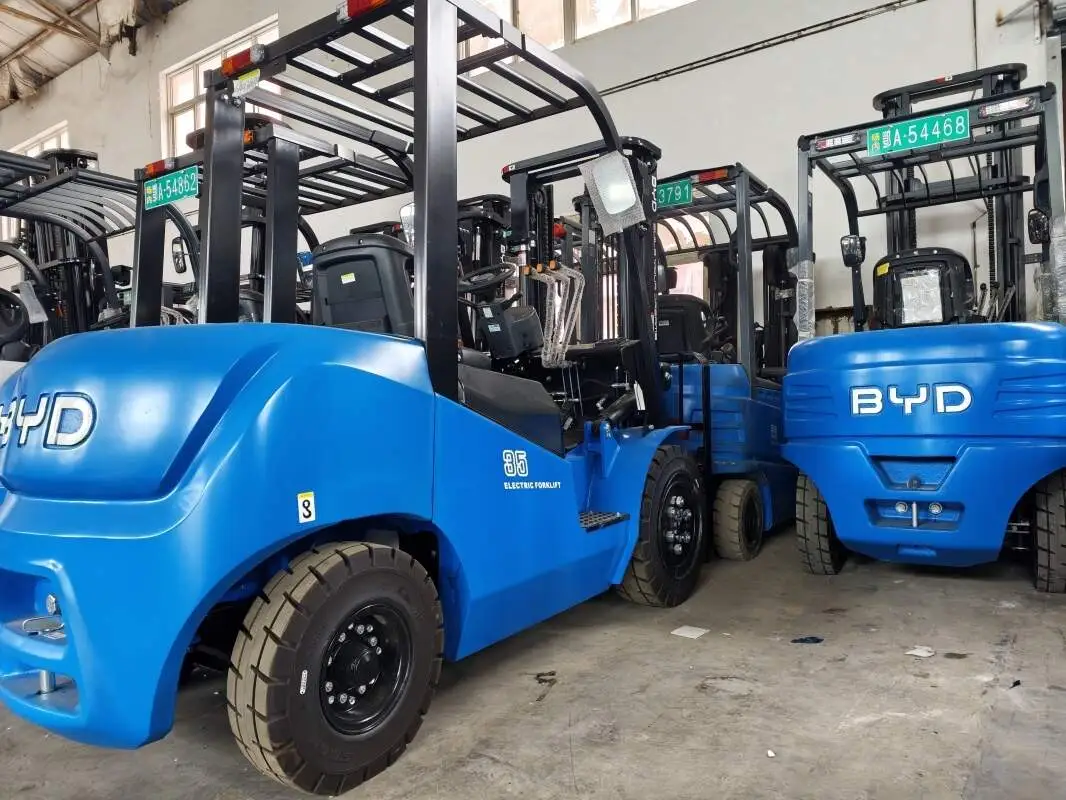
Class 4 forklifts, engineered for heavy-duty indoor and outdoor industrial tasks, depend on robust fork blades to safely lift and transport heavy loads. Over prolonged use, exposure to harsh conditions, contact with abrasive materials, and regular stress from heavy loads can cause fork blades to wear, bend, or develop cracks. Replacing these worn components is a critical maintenance step to mitigate operational risks and uphold workplace safety standards.
When choosing Class 4 replacement fork blades, several key considerations ensure compatibility, durability, and performance. First, confirm the precise dimensions of your existing blades—including length, width, thickness, and mounting specifications—since mismatched parts can lead to unstable load handling and potential safety hazards. Prioritize blades crafted from high-strength steel, as this material offers the resilience needed to withstand the heavy load capacities typical of Class 4 forklift operations. For forklifts used in corrosive environments, such as chemical plants or coastal facilities, opt for blades with protective coatings to resist rust and extend service life. Always ensure the replacement blades meet industry safety regulations and match the load capacity rating of your specific forklift model.
Proper installation is vital to maintain the safety and functionality of Class 4 replacement fork blades. Begin by parking the forklift on a flat, stable surface, turning off the ignition, and engaging the parking brake. Use appropriate lifting tools to carefully remove the worn blades, taking care not to damage the carriage or mounting brackets. Inspect the mounting area for signs of wear, such as bent brackets or stripped bolts, and repair any issues before installing the new blades. Align the replacement blades with the carriage mounts, ensuring a secure fit, and tighten all bolts to the recommended torque specifications. After installation, perform a test lift with a light load to confirm the blades are properly seated and operate smoothly.
To maximize the lifespan of your Class 4 replacement fork blades, establish a routine maintenance schedule. Conduct regular inspections to check for signs of wear, including thinning edges, small cracks, or slight bending, particularly after intensive use. Clean the blades regularly to remove dirt, debris, and corrosive substances that can accelerate wear and damage. Avoid overloading the forklift beyond its rated capacity, as excessive stress can lead to premature blade failure. When not in use, store the forklift in a dry, covered area to minimize exposure to moisture and harsh weather, which can cause rust and corrosion.
Investing in high-quality Class 4 replacement fork blades and adhering to proper selection, installation, and maintenance practices is essential for ensuring safe, efficient forklift operations. These steps reduce the risk of equipment failure, minimize downtime, and extend the overall service life of your forklift, supporting seamless material handling in industrial settings.