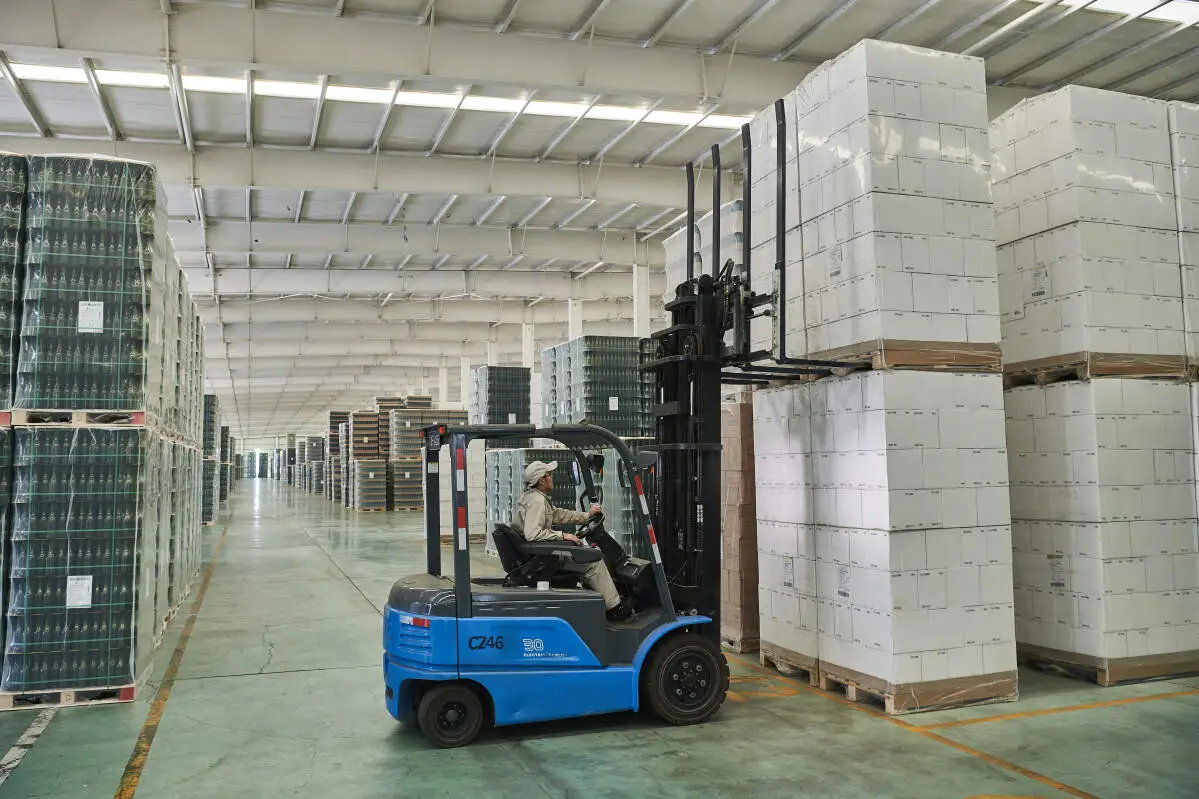
Navigating the space constraints of narrow-aisle warehouses demands material handling equipment that balances maneuverability, efficiency, and cost-effectiveness. For many operations, Combilift forklifts emerge as a tailored solution, designed to operate in tight spaces where traditional forklifts struggle. Understanding price references for these specialized units is critical for businesses looking to make informed purchasing decisions that align with their warehouse layout and operational needs.
Several key factors influence the pricing of Combilift forklifts optimized for narrow-aisle environments. Load capacity is a primary consideration: models engineered for light-duty tasks, such as handling small pallets or lightweight inventory, sit at a more accessible price point, while heavy-duty units capable of lifting 5,000 lbs or more command higher rates due to reinforced structural components and enhanced power systems. Battery type also plays a role; lead-acid batteries have a lower upfront cost but require regular maintenance and shorter lifespans, whereas lithium-ion batteries carry a higher initial price tag but offer longer operational hours, faster charging, and reduced long-term upkeep expenses.
Additional features can further adjust the final price. Integrated aisle guidance systems and collision avoidance technology, which enhance safety in tight, high-traffic narrow aisles, add to the cost but minimize the risk of rack damage and workplace incidents. Customization options, such as adjustable mast heights to accommodate varying storage rack configurations or specialized attachments for handling unique cargo types like long loads, also contribute to pricing variability.
While specific price ranges vary based on configuration and supplier, entry-level Combilift forklifts for narrow-aisle use are typically priced to fit small to medium-sized business budgets, making them accessible for operations with moderate material handling demands. Premium models, equipped with advanced features for high-volume warehouses, fall into a higher price bracket but deliver enhanced efficiency and productivity. It’s also important to factor in supplementary costs, such as professional installation, operator training programs, and extended warranty packages, which can add to the total investment but ensure smooth integration and long-term reliability.
Beyond upfront pricing, the value proposition of Combilift forklifts for narrow-aisle layouts extends to long-term cost savings. Their unique design allows them to operate in aisles as narrow as 8 to 10 feet, enabling businesses to maximize storage capacity by up to 30% compared to using traditional forklifts. This increased storage efficiency reduces the need for warehouse expansion or additional rental space, translating to significant cost savings over time. Additionally, their agile maneuverability minimizes damage to inventory and storage racks, cutting operational costs associated with repairs and product loss.
When evaluating Combilift forklift prices for narrow-aisle warehouse layouts, businesses should prioritize their specific operational requirements—including daily lift volumes, cargo types, and warehouse dimensions—rather than focusing solely on upfront cost. Consulting with industry experts can help generate personalized price references that align with both short-term budget constraints and long-term operational goals, ensuring a wise investment that supports sustained efficiency.