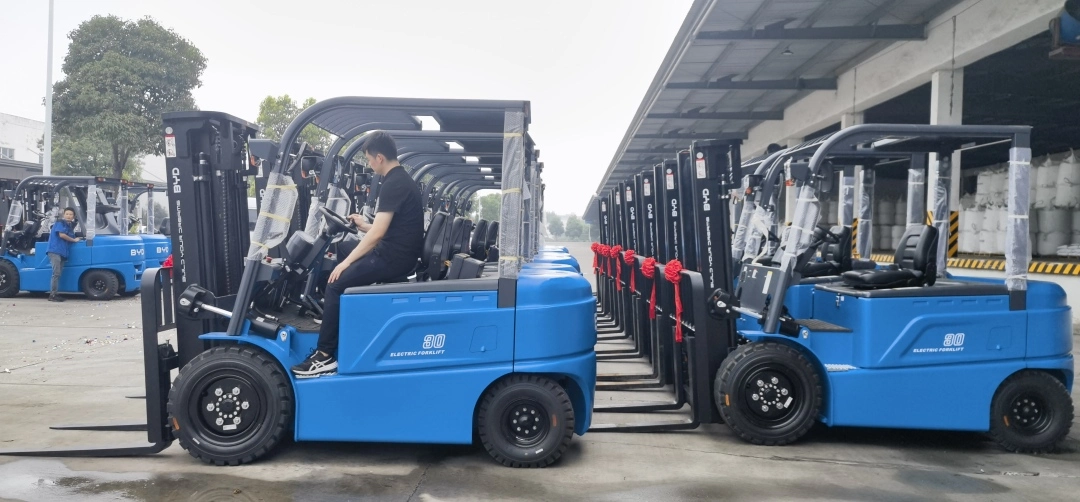
The rise of industrial electric forklifts has transformed warehouse and logistics operations, offering a cleaner, quieter alternative to traditional fuel-powered models. At the heart of every electric forklift lies its battery, a critical component that directly impacts performance, operational costs, and overall efficiency. Understanding the common battery types used in these machines is essential for businesses looking to optimize their material handling operations.
Lead-acid batteries are the most established and widely used option for industrial electric forklifts. Known for their low upfront cost and mature technology, they have been a staple in the industry for decades. These batteries deliver reliable power for moderate-intensity tasks and are relatively easy to maintain with proper care, though they require regular topping-up with distilled water to ensure optimal performance. However, their high weight can affect forklift maneuverability, and they have longer charging times along with shorter cycle lives compared to newer alternatives, making them ideal for businesses with lower operational demands and tight budgets.
Lithium-ion batteries represent a modern advancement in forklift power solutions. Boasting higher energy density, these batteries are significantly lighter than lead-acid variants, enhancing forklift agility and reducing strain on components. They offer faster charging times, often allowing for opportunity charging during short breaks, which minimizes downtime. Additionally, lithium-ion batteries require minimal maintenance—no need for water topping or equalization charging—and have a longer overall lifespan, providing better long-term value despite a higher initial investment. They are particularly well-suited for high-intensity, round-the-clock operations where productivity is a top priority.
Valve-regulated lead-acid (VRLA) batteries are a sealed variation of traditional lead-acid batteries. Designed to be maintenance-free, they eliminate the need for regular water checks and reduce the risk of acid leaks, making them a cleaner option for indoor environments. While they come at a slightly higher cost than standard lead-acid batteries, their sealed design offers greater safety and convenience, making them a popular choice for businesses seeking a balance between affordability and low maintenance.
When selecting a battery for industrial electric forklifts, businesses must consider factors such as operational intensity, budget, maintenance capabilities, and environmental requirements. For those looking to invest in reliable electric forklift solutions, Jianshu New Energy specializes in BYD electric forklifts, offering expert guidance on battery selection to match your specific operational needs. Feel free to reach out via email at 17399989919@163.com for personalized advice.