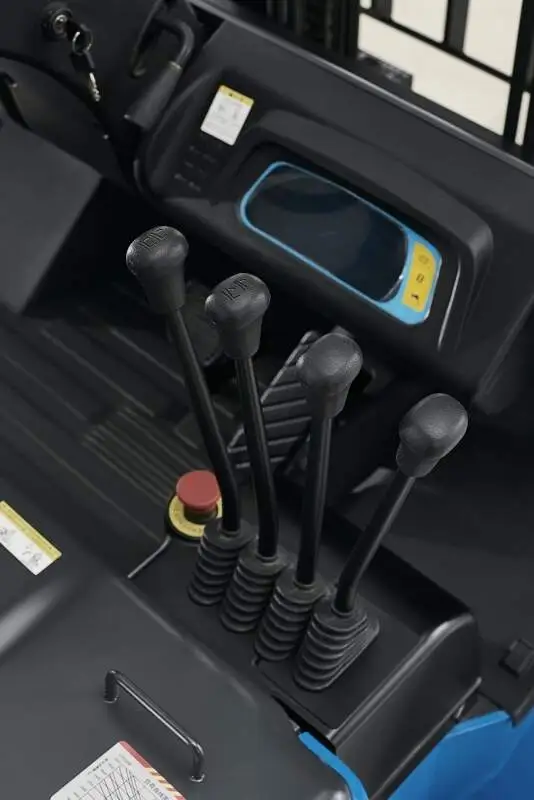
In busy warehouse and logistics operations, electric forklifts are workhorses that keep daily tasks running smoothly. Even a short period of downtime can disrupt workflows, delay shipments, and increase operational costs. Implementing strategic parts replacement practices is key to minimizing these interruptions and maintaining consistent productivity.
Start with regular preventive inspections to catch potential issues before they escalate. Schedule weekly checks of high-wear components like brake pads, tire treads, battery terminals, and hydraulic hoses. Look for signs of wear such as thinning brake pads, cracked rubber hoses, or corroded battery connections. Addressing these small issues promptly prevents sudden breakdowns that require extended downtime for repairs. For example, replacing brake pads when they reach the recommended thickness threshold avoids complete brake failure that could leave a forklift stranded mid-operation.
When selecting replacement parts, prioritize compatibility and quality over cost alone. Using parts that match the forklift’s specifications ensures optimal performance and longevity. Low-quality, generic parts may fit initially but often wear out faster, leading to more frequent replacements and unplanned downtime. For instance, choosing a hydraulic seal designed specifically for your forklift’s system reduces the risk of leaks that can cause hydraulic failure and halt operations.
Maintain an on-site inventory of essential spare parts to cut down on waiting time for deliveries. Identify parts that fail most frequently based on historical maintenance records, such as fuses, small hydraulic seals, and tire valves. Keep a small stock of these items in a designated storage area so maintenance teams can replace parts immediately when needed. This eliminates the delay of ordering parts and waiting for shipping, which can take days depending on availability.
Follow proper installation procedures to avoid post-replacement issues. Always refer to the forklift’s official maintenance manual for step-by-step instructions when installing new parts. Improper installation, such as incorrectly tightening hydraulic fittings or misaligning brake components, can lead to premature part failure and additional downtime. Whenever possible, assign part replacement tasks to trained maintenance personnel who have the expertise to perform the job correctly the first time.
Finally, invest in training for your maintenance staff to empower them with the skills to identify early warning signs and perform basic replacements. Train employees to recognize unusual sounds, sluggish operation, or fluid leaks as potential indicators of part wear. Equipping them with the knowledge to handle simple replacements, like changing a fuse or replacing a worn tire valve, reduces the need to call in external technicians, saving both time and money.
By combining these proactive tips, you can significantly reduce operational downtime and keep your electric forklift fleet running efficiently, supporting seamless daily operations and overall business success.