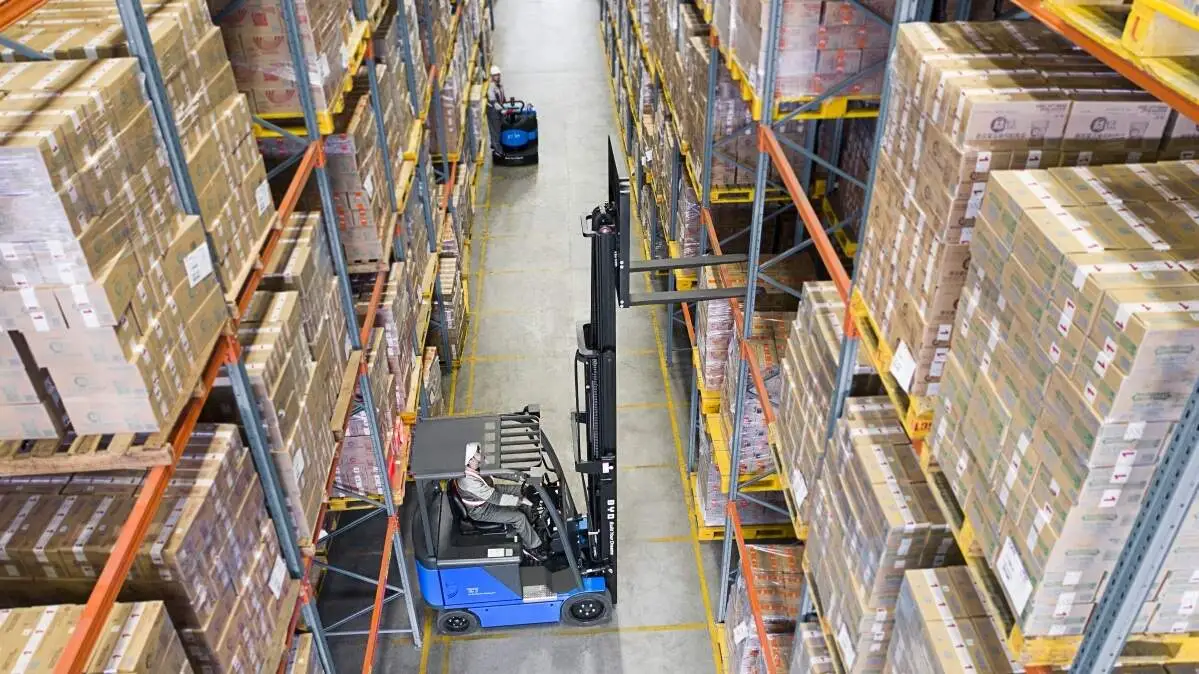
electric forklifts depend on their battery units for stable daily operations, with connectors and cables serving as vital links for efficient power transfer between the battery and the vehicle. Over time, wear and tear on these components can trigger operational disruptions, reduced energy efficiency, and potential safety risks. Jianshu New Energy, a specialist in BYD electric forklifts, shares insights into common connector and cable wear issues, along with practical guidance to address and prevent them.
One of the leading causes of wear stems from routine operational stress. Frequent plugging and unplugging during daily use gradually erodes connector contact points, while repeated flexing of cables can weaken insulation. Exposure to harsh working environments also accelerates degradation—extreme temperatures, moisture, dust, and mild corrosive substances in warehouses or outdoor sites can corrode connectors and fray cable exteriors. Misalignment during connection further exacerbates issues, as forced insertion strains connector pins and damages cable joints.
Recognizing early warning signs is critical to avoiding major breakdowns. Typical symptoms include intermittent power loss, where the forklift may experience sudden power drops or shutdowns during operation. Visible damage such as frayed cable insulation, bent connector pins, or discolored contact points (indicating overheating from poor electrical flow) should prompt immediate attention. Operators may also notice increased resistance when connecting the battery, or slower charging cycles due to compromised electrical contact.
Unaddressed wear can lead to significant consequences. Reduced power transfer efficiency shortens battery lifespan and increases energy consumption, raising long-term operational costs. In severe cases, worn cables or connectors may cause short circuits, posing risks of battery damage or even fire hazards. Unexpected downtime for repairs also disrupts material handling workflows, impacting overall productivity.
Proactive maintenance is key to mitigating these issues. Conduct daily visual inspections of connectors and cables, checking for signs of wear, corrosion, or damage. Ensure connections are aligned properly during plug-in to avoid forced insertion. Clean connectors regularly with a dry, lint-free cloth to remove dust and debris, and apply a mild protective coating to prevent corrosion when appropriate. Replace worn components promptly to avoid cascading damage to the battery unit or forklift system. For professional support and specialized services for BYD electric forklifts, contact Jianshu New Energy at 17399989919@163.com.
By understanding the root causes, recognizing early symptoms, and implementing consistent maintenance practices, businesses can extend the lifespan of their electric forklift battery connectors and cables, ensuring reliable performance and minimizing operational disruptions. Jianshu New Energy remains dedicated to helping enterprises keep their BYD electric forklifts in optimal condition through expert guidance and tailored support.