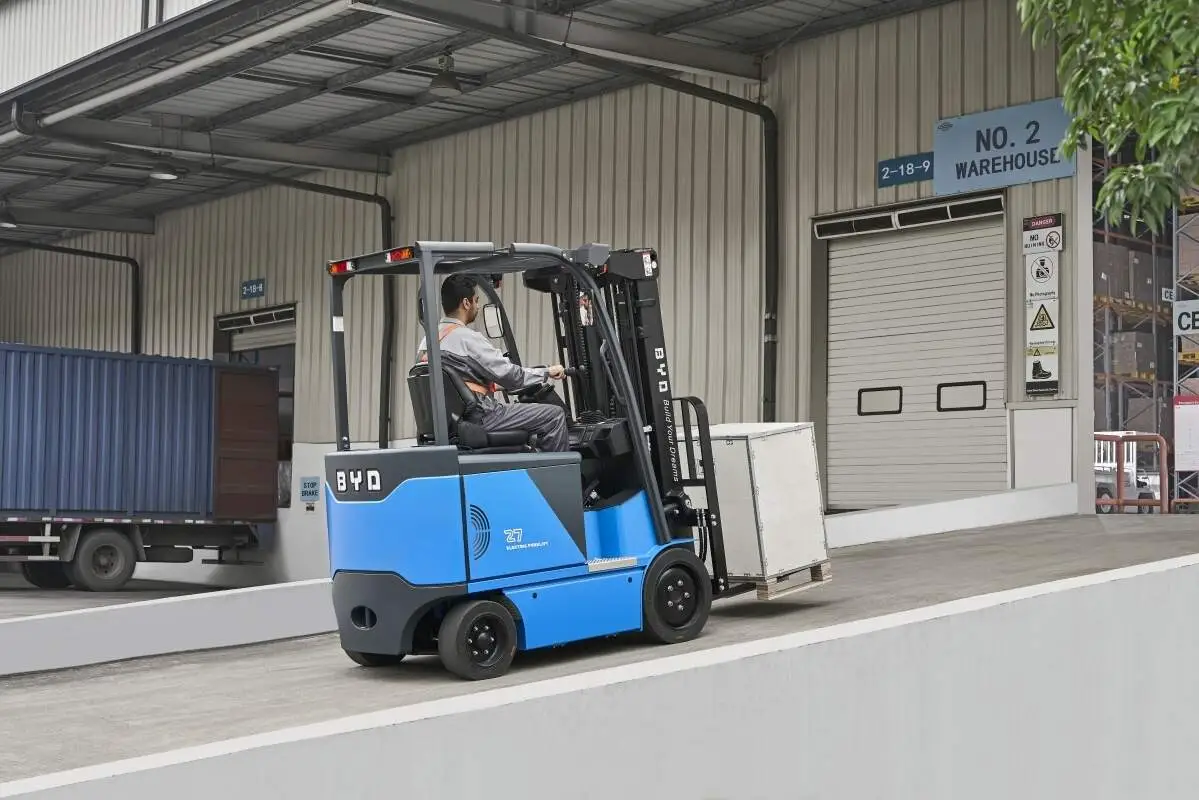
The radiator is a critical component in electric forklifts, playing a key role in regulating the temperature of the battery and powertrain system. A malfunctioning radiator can trigger overheating, reduce operational efficiency, and lead to costly unplanned downtime. Understanding common radiator faults and accessible local repair solutions is essential for keeping your electric forklift running reliably.
One of the most frequent issues is radiator leaks. Symptoms include visible coolant puddles beneath the forklift, steadily dropping coolant levels, or sudden overheating alerts. Leaks typically develop at connection points, welded seams, or due to gradual corrosion from long-term use and exposure to harsh working environments. For small, minor leaks, a reliable radiator sealant can be applied directly to the affected area after draining the coolant, providing a temporary fix to get operations back on track. For larger leaks or extensive corrosion damage, local repair workshops can perform professional welding or patchwork to restore the radiator’s integrity, ensuring the repair is durable and compliant with safety standards.
Clogged radiator fins are another prevalent problem, especially in forklifts operating in dusty or debris-heavy settings. When dust, dirt, and grime accumulate on the fins, they block airflow and hinder heat dissipation, leading to consistent overheating during heavy-duty tasks. Local repair solutions for this issue start with gentle cleaning: use a soft-bristled brush or compressed air to remove surface debris without bending or damaging the delicate fins. For stubborn, deep-set clogs, a specialized radiator cleaning solution can be used, followed by a thorough rinse with low-pressure water to flush out remaining contaminants.
A faulty thermostat is also a common culprit behind radiator-related issues. This component regulates coolant flow, and a malfunctioning one can cause erratic temperature fluctuations, or leave the powertrain system consistently too hot or too cold. Locally, this problem can be addressed by first draining the coolant from the system, then locating the thermostat housing near the radiator inlet. Remove the faulty thermostat and replace it with a compatible, high-quality replacement part, ensuring the housing gasket is properly seated to prevent post-repair leaks. Most local auto parts or industrial equipment stores carry thermostats suitable for electric forklifts, making this repair accessible for on-site or local workshop execution.
Damaged or degraded hoses are often overlooked but can lead to significant radiator problems. Over time, hoses can become brittle, swollen, or develop cracks due to constant exposure to heat and pressure. Symptoms include coolant leaks at hose connections or sudden overheating. Local repair involves inspecting all hoses for signs of wear; if damage is found, replace the hose with a new one of the correct size and material. Secure the new hose with tight, properly positioned clamps to ensure a leak-free seal. For emergency situations, hose repair tape can serve as a temporary fix until a permanent replacement is available.
While many radiator issues can be resolved with these local repair solutions, complex or persistent problems may require professional expertise. At Jianshu New Energy, we specialize in electric forklift maintenance and repair services. If you encounter ongoing radiator faults or need guidance on preventive care, feel free to contact us at 17399989919@163.com for reliable, expert support. Regular inspection and timely repairs will extend the lifespan of your electric forklift’s radiator and ensure uninterrupted, efficient operation.