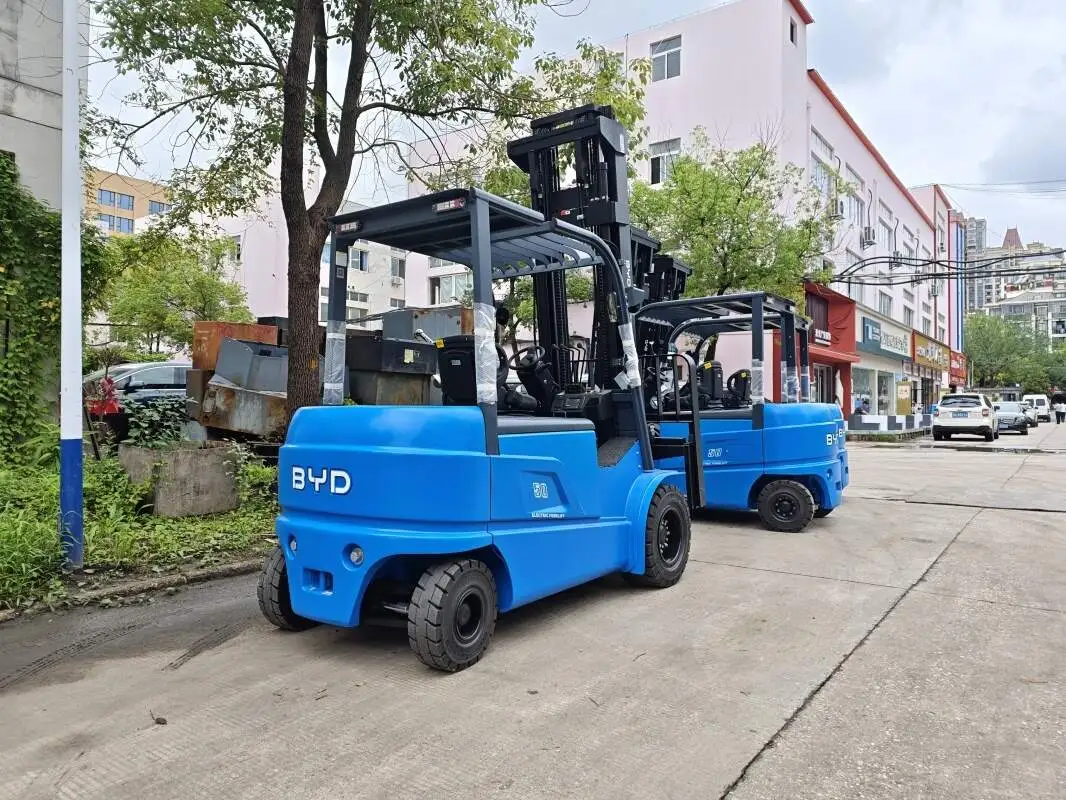
Warehouses depend on reliable material handling solutions to maintain smooth daily operations, and forklift trays are indispensable for safely transporting, storing, and organizing a wide range of goods. When sourcing forklift trays for warehouse use, familiarizing yourself with common specification options is essential to choosing products that match your operational demands, load characteristics, and space constraints.
Standard and custom dimensions are among the first considerations. Most warehouses opt for standard sizes that align with universal pallet dimensions, such as 48x40 inches, to ensure compatibility with existing racking systems and forklift fleets. However, custom dimensions are often necessary for specialized environments: narrow-aisle warehouses may require narrower trays to maneuver tight spaces, while high-storage facilities might benefit from low-profile trays that maximize vertical racking capacity. Custom sizing can also accommodate irregularly shaped goods that don’t fit standard tray dimensions.
Material selection directly impacts a tray’s durability, cost, and suitability for specific applications. Steel trays excel in heavy-duty settings, offering high load resistance and corrosion resistance for outdoor or industrial use. Plastic trays are lightweight, easy to clean, and ideal for food, pharmaceutical, or cleanroom environments where hygiene is a priority. Wood trays provide a cost-effective option for light to medium loads, though they require careful maintenance to avoid warping in humid conditions.
Load capacity ratings are critical for safe operations. Each tray is assigned both static and dynamic load capacities: static capacity refers to the weight the tray can support when stationary, such as in storage racks, while dynamic capacity applies when the tray is being moved by a forklift. It’s vital to select trays with capacities that exceed your typical load weights to prevent structural failure, goods damage, or workplace accidents.
Structural design features enhance functionality and safety. Reinforced edges prevent bending or cracking under heavy loads, while non-slip surfaces keep goods stable during transport. Well-designed fork pockets ensure smooth insertion and removal by forklift tines, reducing the risk of tray damage or load shifts. Some trays include stacking lugs, allowing them to be safely stacked when empty to save floor space, while ergonomic handles support manual movement for smaller loads or tight areas where forklifts can’t reach.
Specialized functional options cater to unique warehouse needs. Trays with integrated wheels enable easy short-distance movement without a forklift, perfect for quick inventory checks. Trays with removable or fixed side rails prevent small or unstable goods from sliding off during transport. Foldable trays collapse when not in use, drastically reducing storage space for seasonal or occasional use cases.
By carefully evaluating these specification options, warehouse managers can make informed decisions that improve operational efficiency, minimize risks, and optimize space utilization. Taking the time to assess your specific requirements—from load types and warehouse layout to hygiene standards—will ensure you select forklift trays that deliver consistent performance and long-term value.