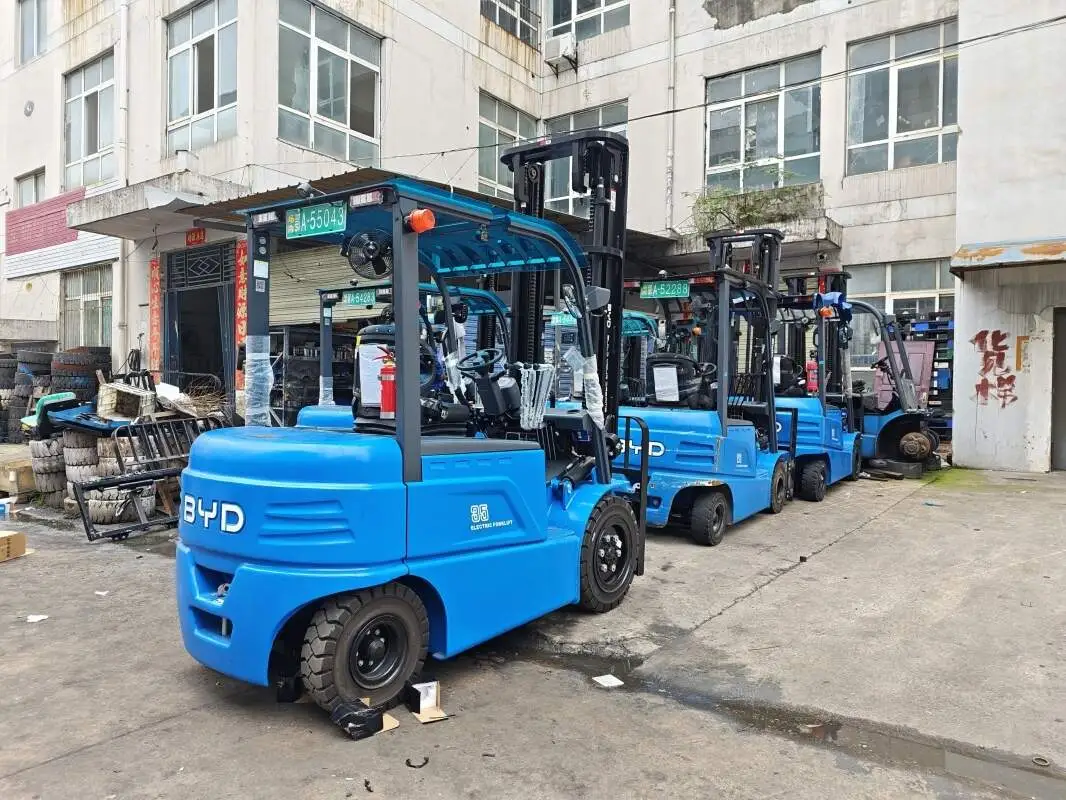
The hydraulic system is the backbone of an electric forklift, enabling critical functions like lifting loads, tilting forks, and maneuvering heavy materials. When issues arise, they can halt operations and impact productivity. As an electric forklift expert, here’s a comprehensive guide to troubleshooting basic hydraulic problems, designed to help you identify and resolve issues efficiently.
Low or Contaminated Hydraulic Fluid is one of the most prevalent hydraulic issues. Start by locating the hydraulic fluid reservoir and checking the level against the marked indicators. If it’s below the minimum line, top it up with the recommended fluid type, always referring to the forklift’s official manual. Next, inspect the fluid’s appearance—cloudy, discolored, or debris-filled fluid signals contamination. In such cases, drain the old fluid thoroughly, flush the entire system to remove residue, and refill with fresh, clean fluid. Contaminated fluid can damage seals and internal components over time, so regular fluid checks are a vital part of proactive maintenance.
Hydraulic leaks can disrupt system performance and lead to fluid loss. Begin troubleshooting by conducting a visual inspection of the entire hydraulic system, looking for wet spots, puddles, or dripping fluid around hoses, seals, and connection points. Pay close attention to hose joints, cylinder seals, and the reservoir cap. Gently tighten any loose connections, being careful not to over-tighten as this can cause cracks or damage. If a hose is cracked, or a seal shows signs of wear and tear, replace the component promptly. Addressing small leaks early prevents them from escalating into major, costly repairs and reduces unnecessary downtime.
Slow or unresponsive lifting is another common issue that can hinder daily operations. Start by verifying the hydraulic fluid level and condition, as low or contaminated fluid is often the root cause. Next, inspect the hydraulic pump for visible signs of wear or malfunction. Listen closely for unusual noises—like whining or grinding—when operating the lift function, as these may indicate a failing pump. Additionally, check the control valve to ensure it’s functioning correctly and not stuck in a partially closed position. If these basic checks don’t resolve the problem, it’s advisable to seek assistance from a trained professional technician.
Unusual noises during hydraulic operation, such as banging, squealing, or grinding, often signal underlying problems. Trapped air in the system can cause banging sounds; follow the manufacturer’s instructions to bleed the system and remove air pockets. Squealing may point to low fluid levels or a worn pump, while grinding could indicate damaged internal components. If you notice any unusual noises, stop operations immediately to perform a thorough inspection, preventing further damage to the hydraulic system.
Proactive maintenance and timely troubleshooting are key to keeping your electric forklift’s hydraulic system running smoothly. If you encounter issues beyond basic troubleshooting, or if you need expert support for your BYD electric forklift, Jianshu New Energy is here to assist. As a specialist in BYD electric forklifts, our team of trained technicians can provide professional repair, maintenance services, and expert guidance. For more information or to reach our team, send an email to 17399989919@163.com.