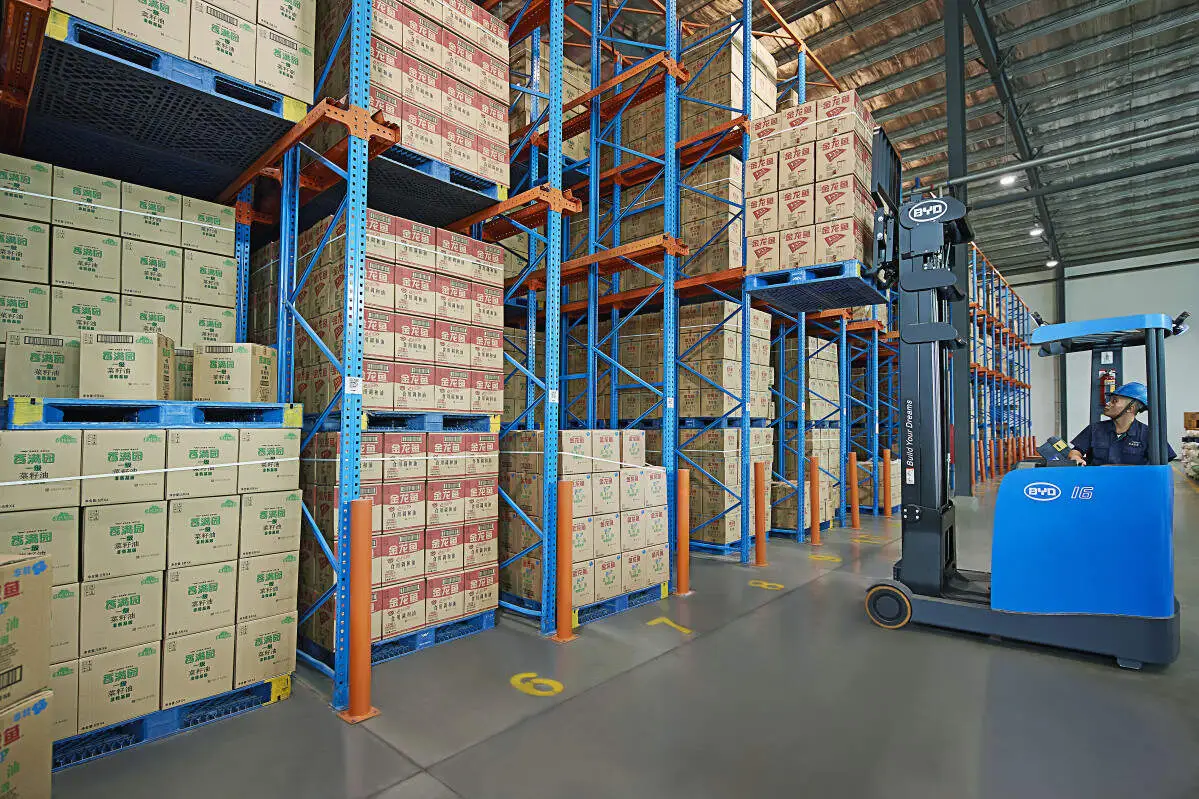
electric forklifts are indispensable workhorses in warehouses, distribution centers, and manufacturing facilities, streamlining material handling operations with efficiency and eco-friendliness. However, encountering a situation where your electric forklift fails to move forward can disrupt workflow and lead to costly downtime. To help you quickly identify and resolve this issue, here are systematic troubleshooting steps to follow.
1. Check the Power Supply and Battery System
Start with the most foundational component: the battery. A low or depleted battery is one of the most frequent causes of an electric forklift failing to move forward. First, consult the dashboard’s battery indicator to confirm if the charge level meets operational requirements. If the battery is low, recharge it fully in line with standard charging protocols. Next, inspect the battery terminals for corrosion, loose connections, or frayed wiring. Corroded terminals can block power transfer, so clean them with a wire brush and ensure all connections are tight and secure. If the battery is aged and cannot hold a consistent charge, it may need a replacement.
2. Inspect Control System Components
The control system is the nerve center governing the forklift’s movement, so it requires thorough checking. Begin with the ignition key switch—ensure it is turned to the “on” position and functions smoothly. Then, examine the forward/reverse selector lever; make sure it is firmly positioned in the “forward” setting and not stuck in a neutral or halfway state. Faulty selector switches can prevent the forklift from registering the forward command. Also, watch for warning lights on the dashboard, such as fault codes or error indicators, which can offer insights into underlying electrical issues. If warning lights are active, refer to the forklift’s manual to interpret the specific codes.
3. Verify Drive System Integrity
The drive system converts electrical power into forward motion, so any damage here can halt movement. Start by inspecting the drive motor—listen for unusual noises like grinding or buzzing when attempting to move forward, which may signal a faulty motor. Check the motor’s wiring connections to ensure they are secure and free of wear. Next, examine the gearbox and drive axle for signs of wear, fluid leaks, or damage. Low gear oil levels can disrupt the drive system’s function, so check the oil level and top it up to the recommended standard if needed. Additionally, inspect the drive tires for proper inflation and tread condition; underinflated or damaged tires can impede smooth forward movement.
4. Check Safety Interlock Devices
Electric forklifts are equipped with safety interlocks to prevent operation under unsafe conditions, and these can sometimes trigger accidentally. First, confirm the operator is seated properly, as the seat switch must be engaged for the forklift to function. Check the emergency stop button—ensure it is not pressed in; if it is, twist it to release and reset. Other safety interlocks may include the parking brake, lift lock, or mast tilt sensors. Verify that the parking brake is fully released and that the mast is positioned correctly for travel.
5. Consult a Professional Technician
If you have completed all the above steps and the forklift still fails to move forward, it may indicate a complex issue such as a faulty controller, damaged wiring harness, or internal motor failure. In such cases, it is wise to contact a qualified professional technician with expertise in electric forklift repairs.
At Jianshu New Energy, we specialize in BYD electric forklifts, providing expert maintenance and repair services to keep your equipment operating at peak performance. If you need assistance troubleshooting your electric forklift or require professional support, feel free to reach out to us at 17399989919@163.com.