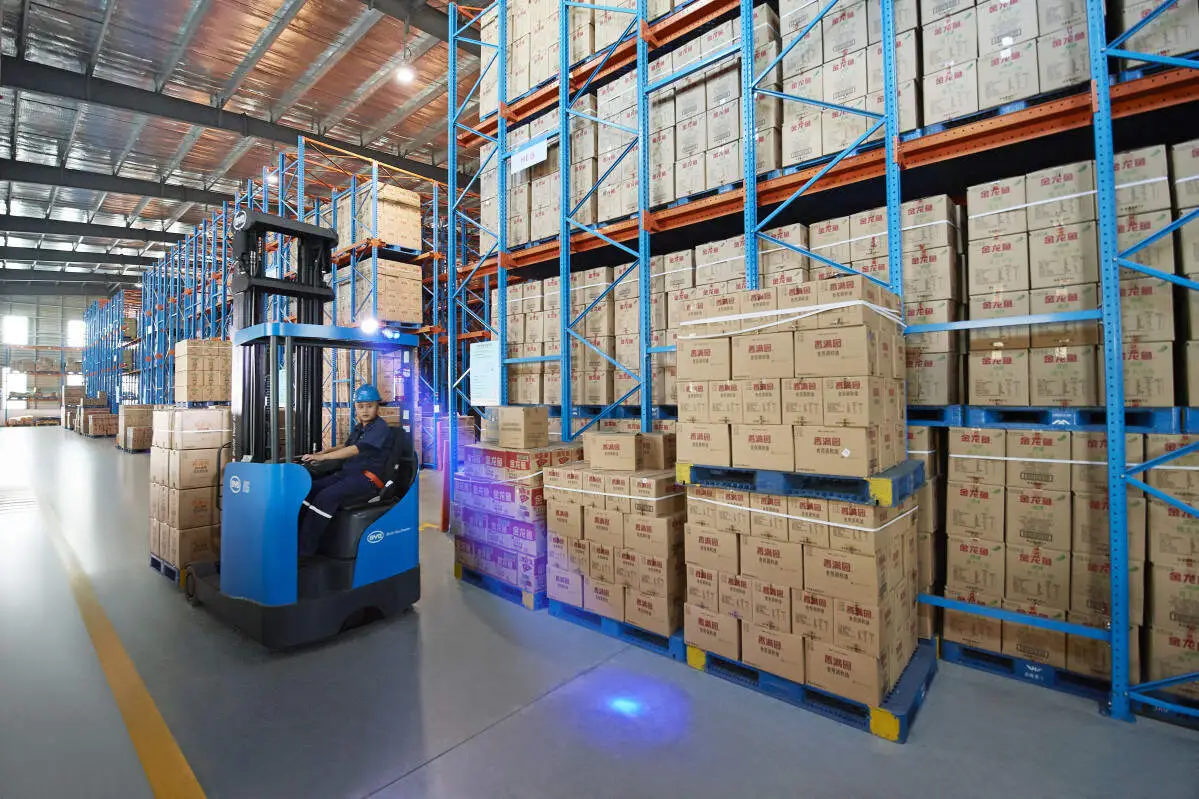
Modern heavy-duty forklifts are workhorses in warehouses, distribution centers, and industrial facilities, handling heavy loads with consistent reliability. To keep these critical assets operating smoothly, diagnostic tools like OBD2 adapters have become essential. Unlike passenger vehicles, heavy-duty forklifts often use specialized communication protocols, making the choice of a compatible OBD2 adapter a key consideration for effective maintenance and troubleshooting.
Prioritize Protocol Compatibility: Not all OBD2 adapters work with heavy-duty forklifts, as many industrial vehicles rely on protocols beyond the standard OBDII used in cars. When selecting an adapter, verify that it supports protocols commonly used in heavy-duty equipment, such as J1939. This ensures the adapter can communicate seamlessly with the forklift’s onboard computer, accessing real-time data and diagnostic codes without compatibility gaps.
Durability for Harsh Operating Environments: Heavy-duty forklifts operate in challenging settings—from dusty warehouses to outdoor construction sites with extreme temperature fluctuations. A reliable OBD2 adapter must be built to withstand these conditions. Look for adapters with rugged, dustproof, and waterproof enclosures, as well as resistance to vibration. These features prevent damage from debris, moisture, and the constant movement of the forklift, ensuring long-term functionality.
Essential Functional Support: The right OBD2 adapter should offer more than just basic code reading. For heavy-duty forklifts, features like real-time performance monitoring (including engine temperature, fuel consumption, and hydraulic pressure) can help identify potential issues before they escalate. Additionally, the ability to clear diagnostic codes after repairs streamlines maintenance workflows. Some adapters also support historical data logging, allowing technicians to track performance trends over time for proactive servicing.
Ease of Use and Connectivity: In busy industrial settings, technicians need tools that are intuitive and efficient. Wireless connectivity options like Bluetooth or WiFi allow for flexible access to diagnostic data, eliminating the hassle of tangled cables. The adapter should pair easily with compatible diagnostic software, which should have a user-friendly interface that presents data in a clear, actionable format. Simple installation processes, without the need for specialized tools, also add to the adapter’s practicality.
Choosing a compatible OBD2 adapter for modern heavy-duty forklifts is an investment in operational efficiency and equipment longevity. By focusing on protocol compatibility, durability, functional support, and ease of use, businesses can select an adapter that meets their specific maintenance needs. With the right tool, technicians can diagnose issues quickly, reduce unplanned downtime, and keep heavy-duty forklifts performing at their best, supporting smooth operations across industrial and logistics environments.