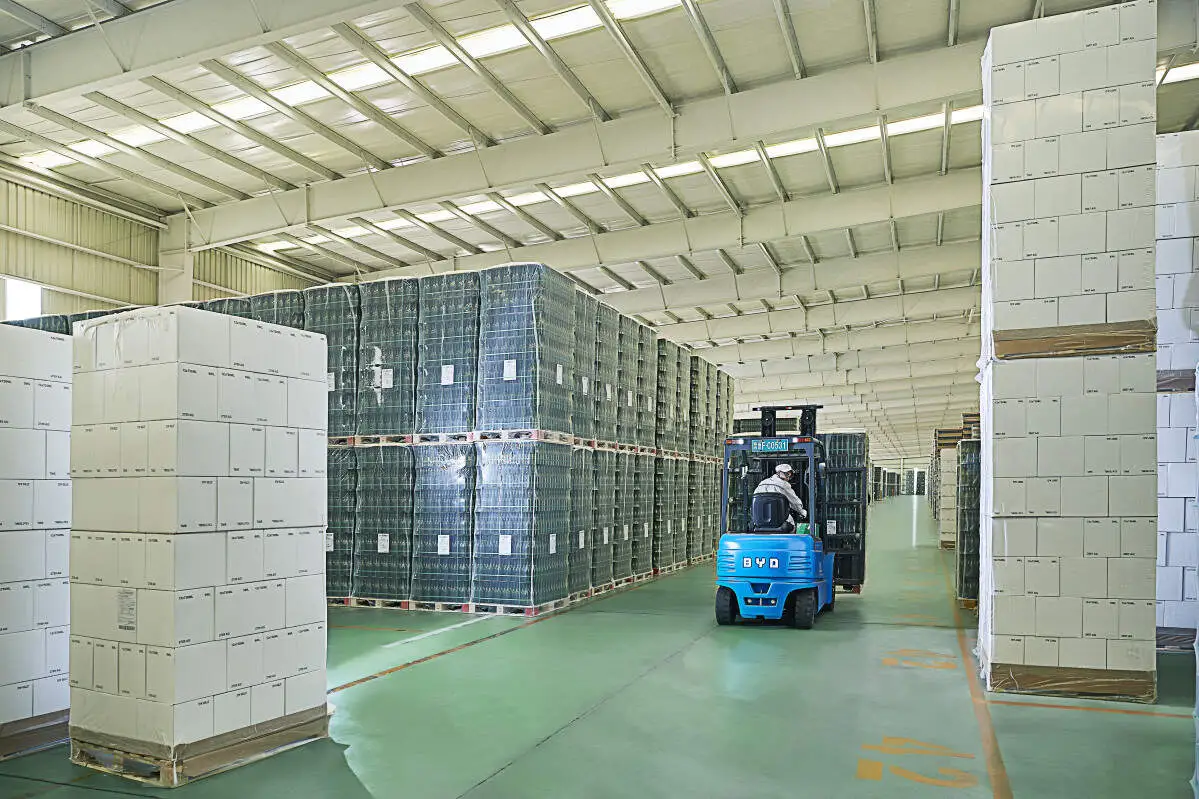
electric forklifts are essential workhorses in modern warehouse operations, streamlining material handling tasks while reducing carbon footprints. Adhering to a standardized handling procedure is critical to maintaining operational efficiency, preventing workplace accidents, and extending the lifespan of the equipment.
Pre-Use Inspection
Before starting any shift, operators must conduct a thorough pre-use inspection to identify potential issues. Begin by checking the battery level; ensure it has sufficient charge to complete scheduled tasks to avoid mid-operation downtime. Next, inspect the braking system by testing both foot and hand brakes to confirm responsive stopping power. Examine the tires for signs of wear, punctures, or improper inflation, as faulty tires can compromise stability during operation. Verify that all lights, including headlights, taillights, and turn signals, are functioning properly to ensure visibility in low-light warehouse areas. Finally, inspect the forks for cracks, bending, or damage, and clear any debris from the forklift’s body or working components.
Safe Operation Guidelines
Once the pre-use inspection is complete, follow these safe operation guidelines during daily tasks. Start the forklift smoothly and adhere to the warehouse’s designated speed limits, especially in narrow aisles or areas with high pedestrian traffic. When turning, reduce speed and use the horn to alert nearby personnel of your presence. When lifting or lowering loads, ensure the cargo is evenly distributed on the forks and does not exceed the forklift’s rated capacity. Maintain a clear line of sight; if the load obstructs forward visibility, travel in reverse with caution. Avoid operating the forklift on slippery surfaces or steep ramps unless necessary, and always keep the load low when traveling across ramps to prevent tipping. Never allow unauthorized personnel to ride on the forklift, as this poses a significant safety risk.
Post-Use Maintenance
After completing daily tasks, proper post-use maintenance ensures the forklift remains in optimal condition for the next shift. Park the forklift in a designated, well-ventilated area away from pedestrian pathways and flammable materials. Turn off the power, engage the parking brake, and lower the forks to the ground to stabilize the equipment. If the battery requires charging, follow standard safety guidelines to connect the charger safely, ensuring the charging area is free of hazards. Clean the forklift’s exterior, forks, and battery compartment to remove dust, dirt, and debris that could cause mechanical issues over time. Finally, document any observed issues or unusual performance in the equipment log, so maintenance personnel can address them promptly.
For businesses relying on electric forklifts for daily warehouse operations, partnering with a trusted provider is key. Jianshu New Energy specializes in BYD electric forklifts, offering expert guidance on handling procedures, maintenance, and ongoing support. For inquiries, reach out to us at 17399989919@163.com.