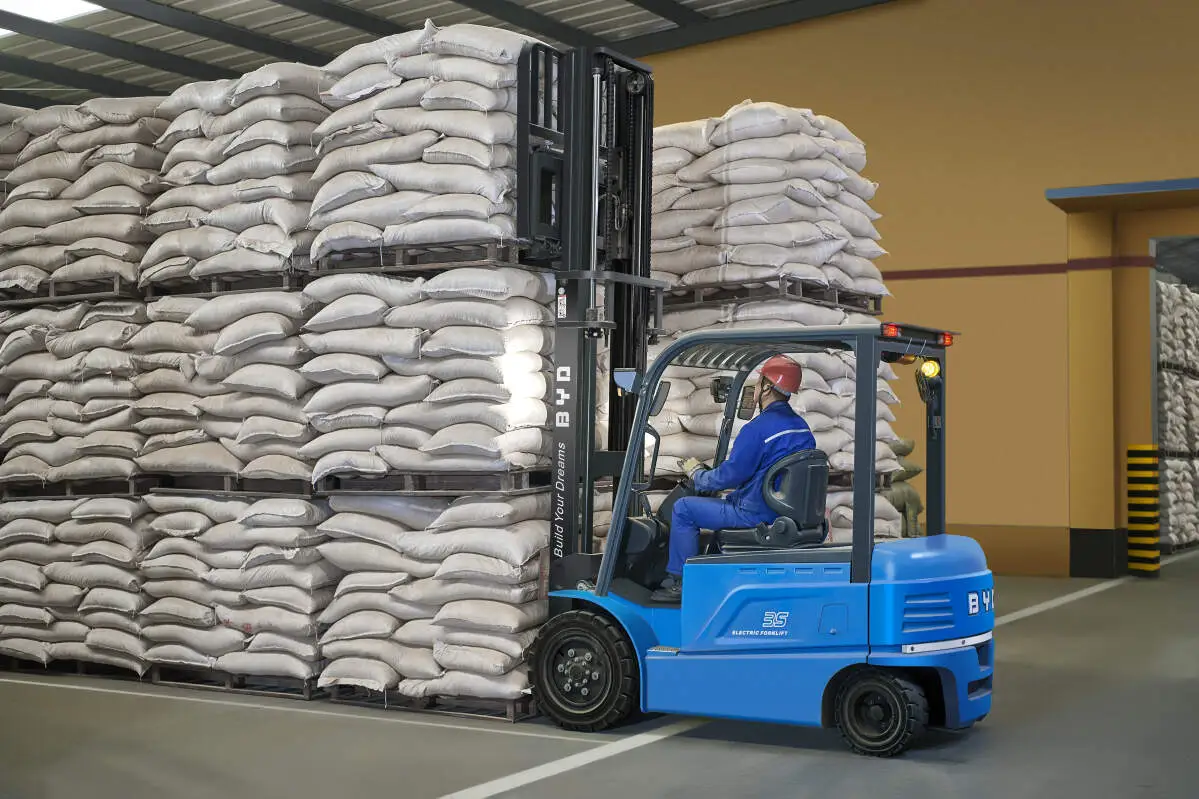
forklift baskets are essential tools for enabling elevated work tasks in industrial settings, but their improper use can lead to severe safety hazards. Adhering to regulatory standards for forklift basket implementation is critical to protecting workers, reducing liability, and maintaining operational efficiency. Below is a structured compliance checklist to guide organizations through proper regulation implementation:
1. Pre-Implementation Equipment Evaluation
Before deploying any forklift basket, conduct a thorough assessment of its structural integrity. Verify that the basket meets industry-specific load capacity standards, with clear, legible load rating labels prominently displayed. Inspect all attachment points to ensure they securely connect to the forklift’s carriage without signs of corrosion, cracks, or wear. Check for intact guardrails, non-slip flooring, and emergency exit mechanisms to confirm the basket provides adequate protection for occupants.
2. Operator Qualification and Training
Ensure all personnel operating forklifts with attached baskets hold valid, up-to-date certification that covers both forklift operation and basket-specific safety protocols. Confirm operators have completed hands-on training sessions focused on basket loading, forklift maneuvering with elevated loads, and emergency response procedures. Schedule regular refreshers to keep operators informed of updated regulations and best practices, and document all training activities for audit purposes.
3. Operational Protocol Alignment
Establish clear operational guidelines that align with regulatory requirements. Define strict load limits for each basket type, prohibiting overloading or uneven weight distribution that could compromise stability. Mandate designated communication protocols between forklift operators and ground personnel, such as hand signals or two-way radios, to avoid miscommunication during elevated tasks. Outline restrictions on operating forklift baskets in adverse weather conditions, such as high winds or rain, that could increase fall risks.
4. Maintenance and Documentation Practices
Implement a scheduled maintenance program for all forklift baskets, with routine inspections conducted before each use and formal assessments performed at set intervals. Document every inspection, maintenance task, and repair, noting any issues detected and corrective actions taken. Store these records in a centralized, easily accessible location to demonstrate compliance during regulatory audits. Replace worn or damaged components promptly to maintain the basket’s safety and functionality.
5. Emergency Preparedness Planning
Develop comprehensive emergency response plans tailored to forklift basket incidents, including falls, equipment malfunctions, or entrapment. Ensure all work areas with forklift basket operations have readily accessible first aid kits and rescue equipment, such as harnesses and ladders. Conduct regular emergency drills to familiarize operators and nearby personnel with evacuation procedures and rescue protocols. Assign clear roles and responsibilities for emergency responders to ensure a swift, coordinated response.
By systematically following this compliance checklist, organizations can mitigate risks associated with forklift basket operations, ensure adherence to regulatory standards, and foster a safer work environment for all employees. Regular reviews and updates to the checklist will help keep pace with evolving regulations and industry best practices.