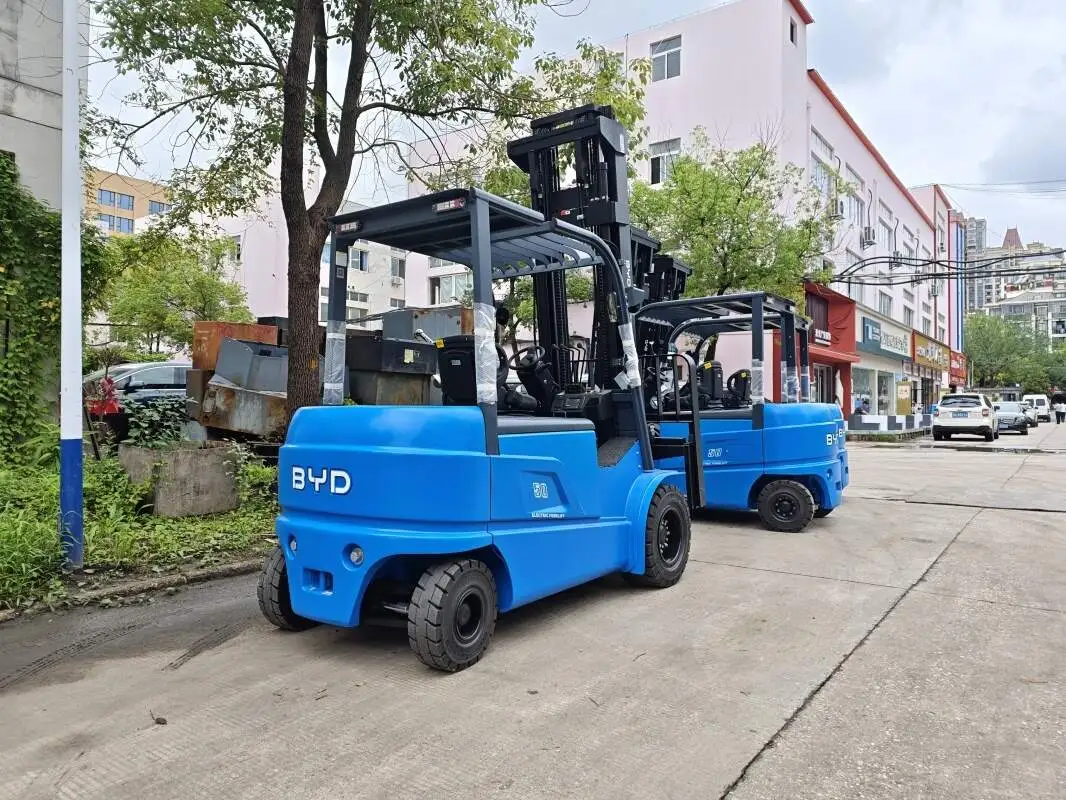
In the realm of site-working electric forklift operations, the safety horn serves as a critical auditory warning device, playing a pivotal role in preventing collisions, alerting pedestrians, and maintaining overall workplace safety. Adhering to compliance standards for horn configuration is not only a legal obligation but also a fundamental step toward safeguarding personnel and assets. Below are key compliance checkpoints that operators and fleet managers must prioritize to ensure electric forklift safety horns meet regulatory requirements and operational needs.
Regulatory Alignment is the foundational checkpoint. First and foremost, verify that the safety horn complies with regional and national occupational safety regulations. Different jurisdictions may specify distinct requirements, such as minimum and maximum decibel levels, sound frequency ranges, and operational reliability. It is essential to cross-reference the horn’s specifications against applicable standards to avoid non-compliance penalties and ensure optimal safety performance.
Next, focus on Performance Specifications. The safety horn must deliver clear, distinguishable sound that can be heard across the entire site working area, even in noisy environments. Conduct regular tests to confirm the horn’s volume falls within the required range—neither too low to be ineffective nor excessively loud to cause auditory harm. Additionally, check for any distortion or muffled sounds, which could indicate a malfunction that requires immediate repair or replacement.
Proper Installation Positioning is another critical checkpoint. Ensure the horn is mounted in a location that minimizes obstruction from cargo, forklift components, or environmental factors. The ideal position should allow the sound to propagate evenly in all directions, ensuring pedestrians and other equipment operators can hear the warning regardless of their relative position to the forklift. Avoid mounting the horn in areas prone to damage from debris or impacts to maintain its integrity over time.
Preventive Maintenance and Testing are essential for sustained compliance. Establish a routine maintenance schedule for safety horns. Conduct daily pre-operation checks to confirm the horn activates correctly. Monthly, perform more comprehensive inspections to assess wiring connections, horn diaphragm condition, and overall functionality. Any signs of wear, corrosion, or electrical issues should be addressed promptly. Maintain detailed records of all inspections and repairs to demonstrate compliance during audits.
Finally, emphasize Operator Training and Usage Protocols. Even the most compliant horn is ineffective without proper operator usage. Train all forklift operators on when and how to use the safety horn appropriately—such as when approaching blind corners, navigating crowded areas, or reversing. Ensure operators understand the importance of using the horn consistently to alert others, rather than relying solely on visual cues.
As a professional provider specializing in BYD electric forklifts, Jianshu New Energy is committed to helping businesses maintain compliance with all safety equipment regulations, including safety horn configurations. For more information on electric forklift safety compliance or to inquire about our BYD electric forklift offerings, please contact us at 17399989919@163.com.