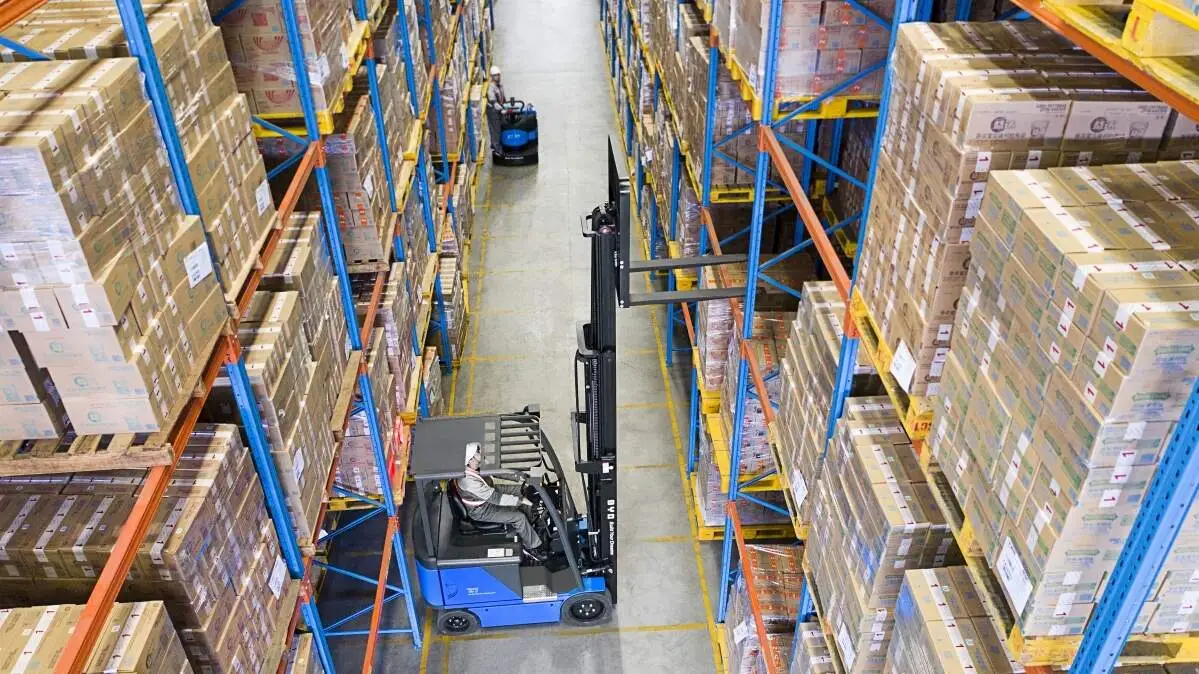
Working aisles in industrial warehouses and distribution centers are high-risk zones where forklifts operate in close proximity to pedestrian workers, making guardrail installation a critical element of workplace safety. Adhering to regulatory compliance details for these guardrails is not just a legal requirement—it directly reduces the risk of collisions, falls, and potentially life-threatening incidents. Understanding the specific standards ensures installations meet regional occupational safety guidelines and effectively mitigate hazards.
Height and structural integrity are foundational compliance requirements for forklift guardrails. Most global safety regulations mandate a minimum top rail height between 42 and 48 inches, with a mid-rail or equivalent barrier installed at half the top rail height to prevent workers from leaning over or falling through. A toe board at least 4 inches tall is also required to contain small tools, materials, or debris that could otherwise fall into the aisle and create obstacles for forklifts. The materials used, such as heavy-gauge steel or reinforced aluminum, must be robust enough to withstand impact without buckling or breaking.
Load resistance and impact testing are another core compliance detail. Regulatory bodies typically require guardrails to withstand a lateral force of at least 200 pounds applied to any point on the top rail, as well as impact from a forklift traveling at low operational speeds. Before installation, certified installers may need to conduct load tests to verify the system meets these resistance standards. Detailed documentation of these tests must be retained to demonstrate compliance during official inspections.
Proper placement and clearance are essential for guardrail effectiveness. Guardrails should be positioned along aisle edges where forklifts are at risk of veering off the designated path or where pedestrians might accidentally enter the vehicle’s operating zone. The clearance between the guardrail and aisle edge must be sufficient to allow safe forklift maneuvering without scraping the barrier, usually ranging from 12 to 18 inches depending on local guidelines. Any gaps in the guardrail system for access points must be fitted with self-closing, latching gates to maintain continuous protection and prevent unauthorized entry into the aisle.
Ongoing maintenance and regular inspections are critical to sustaining compliance. Scheduled inspections—typically monthly or quarterly—should check for signs of damage like bent rails, loose fasteners, or corrosion. Any defects must be repaired or replaced immediately to restore the guardrail’s safety functionality. Detailed records of inspections and repairs should be kept on file, as regulatory agencies may request this documentation during audits to confirm adherence to safety standards.
In summary, prioritizing compliance details for forklift guardrail installation in working aisles is vital for protecting workers and avoiding legal penalties. By meeting height and structural standards, ensuring load resistance, placing guardrails correctly, and conducting consistent maintenance, businesses can create a safer work environment while staying aligned with occupational safety regulations.