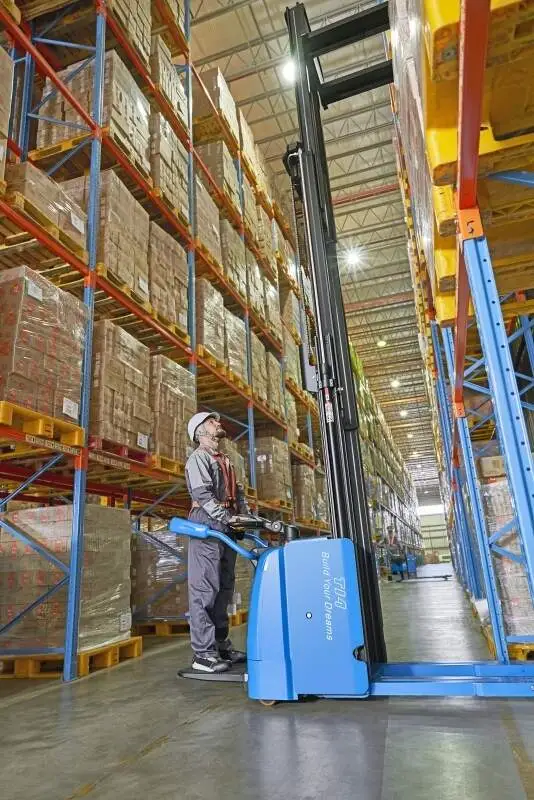
In warehouses with multi-level storage or loading docks, inclined ramps are common features that pose unique challenges for electric forklift operations. Adhering to strict compliance measures is not only a legal requirement but also critical to preventing workplace accidents, protecting personnel, and safeguarding inventory. Below are key compliance guidelines to ensure safe and compliant forklift operation on inclined warehouse ramps.
Pre-Operation Compliance Checks
Before navigating any inclined ramp, operators must conduct a thorough pre-operation inspection of the electric forklift. This includes verifying the functionality of braking systems—both service brakes and emergency brakes—to ensure they can handle the increased stopping force required on slopes. Tire condition is equally important; operators should check for adequate tread depth, proper inflation, and signs of wear that could compromise traction on uneven ramp surfaces. Additionally, inspecting the forklift’s stability features, such as the counterweight and mast locking mechanism, helps prevent tip-over risks before operation begins. Operators must also confirm that the ramp itself is free of debris, oil spills, or loose materials that could cause skidding, and that safety signage indicating ramp slope and weight limits is clearly visible and unobstructed.
Speed Control and Maneuvering Compliance
Maintaining controlled speeds is a cornerstone of compliant forklift operation on inclined ramps. On ascending ramps, operators should reduce speed to a crawl, ensuring the forklift maintains sufficient power to climb without straining the motor or causing the load to shift. When descending, operators must engage the forklift’s regenerative braking system (if equipped) and avoid relying solely on the foot brake to prevent overheating and brake failure. It is critical to never drive a forklift sideways on a ramp, as this drastically increases the risk of tip-over. Operators should also avoid sudden turns or stops on inclines, as these movements can destabilize the forklift and dislodge the load. When approaching the top or bottom of a ramp, operators should pause briefly to assess the surrounding area for pedestrians or obstacles before proceeding.
Load Management Compliance
Proper load management is essential for compliance and safety on inclined ramps. Operators must ensure that loads are securely fastened using appropriate straps or binders to prevent shifting during ascent or descent. Loads should be positioned as low as possible on the forklift’s mast to lower the center of gravity, enhancing stability. It is strictly prohibited to exceed the forklift’s rated load capacity, especially on ramps, as this increases the likelihood of tip-over. Additionally, operators should avoid carrying unbalanced loads, as uneven weight distribution can compromise the forklift’s stability even on gentle slopes. If a load blocks forward visibility, operators should travel in reverse up the ramp, maintaining a clear line of sight behind them.
Operator Training and Documentation Compliance
Compliance with forklift ramp operation standards requires comprehensive operator training. All operators must hold a valid certification that includes specific training on navigating inclined surfaces, recognizing ramp-related hazards, and implementing emergency procedures. Employers must maintain up-to-date records of operator training and certifications to demonstrate compliance with regulatory requirements. Regular refreshers and safety drills should be conducted to reinforce best practices and address any emerging risks in the warehouse environment. Operators should also be trained to report any ramp or forklift defects immediately to supervisors, ensuring timely repairs and preventing unsafe operation.
Maintenance and Regulatory Compliance
Regular maintenance of electric forklifts is a key compliance measure to ensure safe ramp operation. Employers should establish a scheduled maintenance program that includes routine checks of brakes, tires, hydraulic systems, and stability components. Any defects identified during inspections or operation must be repaired by qualified technicians before the forklift is returned to service. Additionally, employers must adhere to local and national occupational safety regulations governing forklift operation on inclined surfaces, including posting clear weight limits on ramps, providing adequate lighting in ramp areas, and implementing pedestrian exclusion zones where necessary.
In summary, compliant electric forklift operation on inclined warehouse ramps requires a combination of pre-operation checks, controlled maneuvering, proper load management, ongoing operator training, and regular maintenance. By following these measures, employers can mitigate risks, ensure regulatory compliance, and create a safer workplace for all personnel.