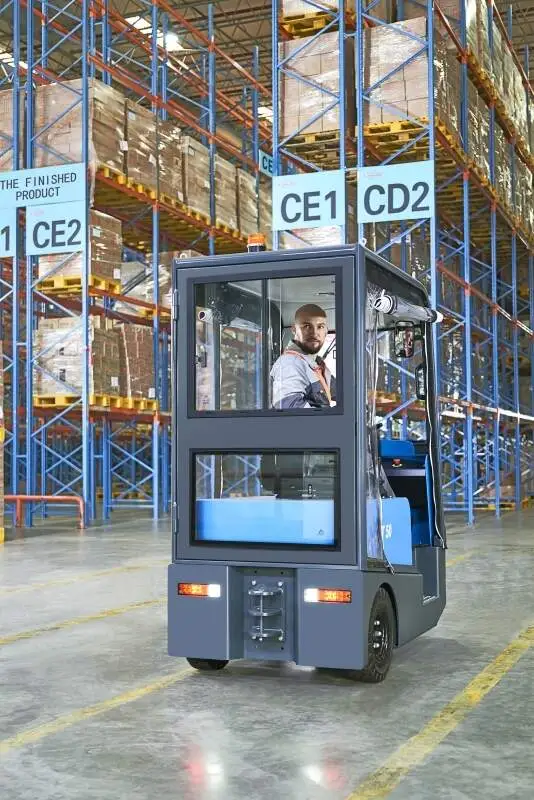
The growing demand for cost-effective material handling solutions has spurred increased interest in pre-owned articulated forklift equipment. To ensure these used machines meet safety, performance, and reliability standards, a structured condition assessment framework is essential. This framework provides a systematic approach to evaluate every critical component of the forklift, helping buyers mitigate risks and make informed decisions.
The first core component of the framework is mechanical systems evaluation. This involves inspecting the engine for smooth startup, consistent power delivery, and absence of unusual noises or excessive exhaust smoke. Technicians should examine the transmission for seamless gear shifts and check hydraulic systems for leaks, proper pressure levels, and responsive lift and tilt functions. Any signs of worn seals, damaged hoses, or sluggish hydraulic performance indicate potential repair needs that can impact long-term operation.
Next, electrical systems inspection is critical for ensuring safe and functional operation. Assessments include testing battery health, checking for corroded terminals, and verifying the integrity of wiring harnesses to prevent short circuits. Operators should confirm that all dashboard indicators, lighting systems, and safety features such as reverse alarms and seatbelt sensors are fully operational. Malfunctions in electrical components can lead to unexpected downtime and safety hazards, so thorough testing is non-negotiable.
Structural integrity assessment focuses on the forklift’s physical framework. Technicians inspect the main frame for cracks, dents, or signs of bending that could compromise structural stability. The articulated joint, a defining feature of these forklifts, must be evaluated for excessive wear, proper lubrication, and smooth movement. Forks should be checked for signs of bending, cracking, or uneven wear, as damaged forks can pose risks during load handling. Additionally, the cab structure and flooring should be inspected for stability and slip-resistant surfaces to ensure operator safety.
Operational performance testing is a hands-on phase of the framework. During this step, operators conduct real-world tests to evaluate the forklift’s maneuverability, especially its ability to navigate tight spaces—a key advantage of articulated models. Brake performance is tested under both empty and loaded conditions to ensure responsive stopping power. Lift and tilt functions are assessed at maximum load capacity to verify stability and speed consistency. Any delays, vibrations, or instability during these tests highlight areas that require attention.
Finally, reviewing maintenance and service records provides valuable insight into the forklift’s history. Detailed records of regular servicing, part replacements, and repairs can indicate how well the equipment was maintained. A well-documented maintenance history often correlates with longer equipment lifespan and lower future repair costs. If records are incomplete or unavailable, buyers should consider additional diagnostic tests to uncover hidden issues.
By implementing this comprehensive condition assessment framework, buyers can accurately evaluate pre-owned articulated forklifts, ensuring that their investment delivers safe, reliable, and cost-effective material handling performance. This systematic approach reduces the risk of unexpected breakdowns and helps align the equipment with operational needs.