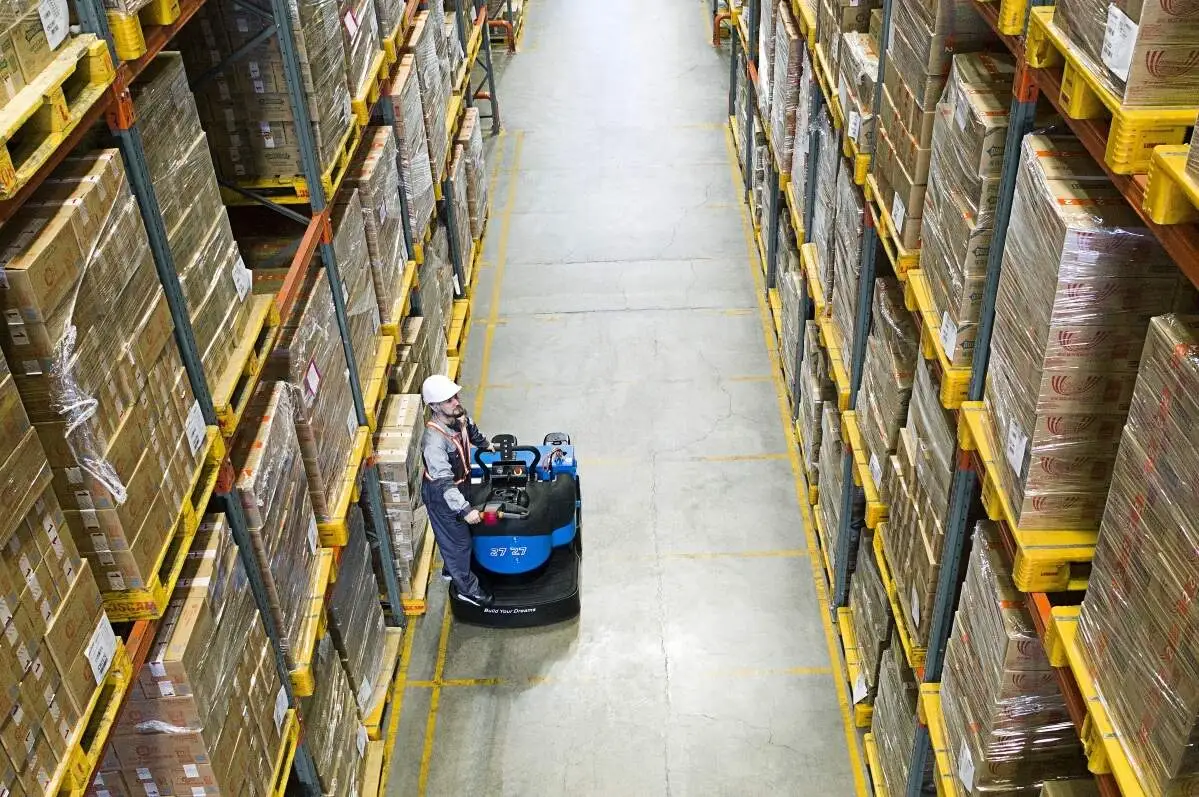
When operating electric forklifts, the performance and safety of the equipment heavily rely on the quality and suitability of its tire assemblies with rims. Choosing the right components is not just a matter of replacing worn parts; it directly impacts operational efficiency, downtime rates, and long-term ownership costs. Here are critical considerations to keep in mind during the purchasing process.
First and foremost, evaluate load capacity and weight ratings. Every electric forklift has a specified maximum load capacity, and the tire assemblies must be able to support this weight consistently, even during peak operations. For indoor warehouse tasks with regular pallet loads, standard-rated tire assemblies may suffice, but for outdoor or heavy-duty applications involving bulky materials, you need components with higher weight-bearing capacities. Overlooking this factor can lead to premature tire wear, rim deformation, or even safety incidents like tire blowouts under heavy loads.
Next, ensure compatibility with your forklift model. Tire assemblies are not one-size-fits-all; the rim must match the forklift’s hub dimensions precisely, and the tire size should align with the manufacturer’s specifications. A mismatched rim can cause improper seating of the tire, leading to unstable handling, reduced steering responsiveness, and increased wear on other forklift components such as the suspension system. Always refer to the forklift’s manual or consult a professional to confirm the exact rim and tire dimensions required for your specific model.
Consider the operating environment and terrain. The type of surface your electric forklift operates on dictates the ideal tire assembly. For smooth, indoor warehouse floors, solid tire assemblies are often preferred due to their resistance to punctures and low maintenance needs. In contrast, outdoor environments with uneven ground, gravel, or wet surfaces require tire assemblies with deep tread patterns and robust rims that can withstand impacts and provide better traction. Additionally, if your workspace exposes the forklift to chemical spills or corrosive materials, opt for tire and rim materials that offer resistance to such elements to extend component lifespan.
Maintenance requirements and durability are also key factors. Solid tire assemblies generally demand less routine maintenance since they do not require inflation checks, reducing the risk of unexpected downtime due to flat tires. However, they may offer less shock absorption compared to pneumatic tires, which could lead to increased wear on the forklift’s chassis over time. Pneumatic tire assemblies, on the other hand, require regular pressure checks and may be more prone to punctures but provide better cushioning for the operator and the load. When assessing durability, look for rims with anti-corrosion coatings and tires made from high-quality, wear-resistant materials to minimize replacement frequency.
Finally, weigh cost-effectiveness against total ownership cost. While opting for lower-priced tire assemblies might seem like a budget-friendly choice initially, they often wear out faster and require more frequent replacements, leading to higher long-term costs. Investing in durable, high-quality components may have a higher upfront cost but can reduce maintenance expenses, minimize downtime, and extend the service life of the tire assemblies. Calculate the total cost over the expected lifespan of the components, including replacement parts, labor, and downtime losses, to make an informed decision that balances performance and affordability.
By taking these considerations into account, you can select forklift tire assemblies with rims that enhance the safety, efficiency, and longevity of your electric forklifts, supporting smooth operations across various work environments.