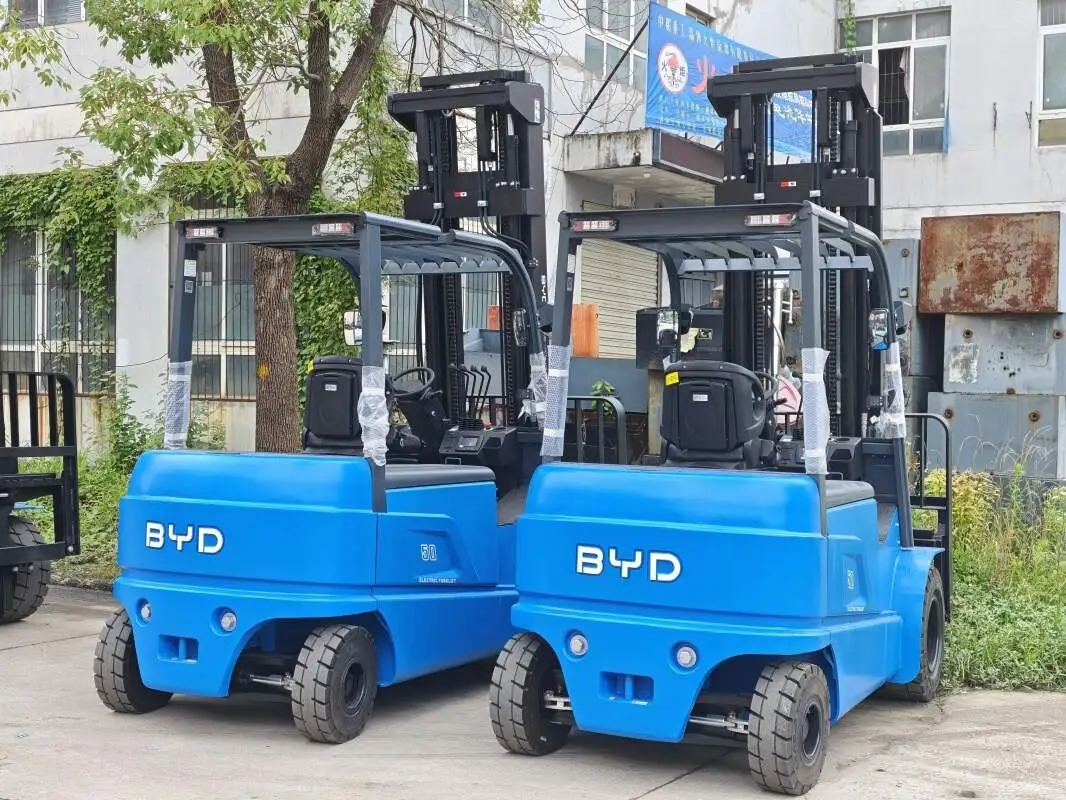
Building heavy-duty building block forklift models combines creativity with basic engineering principles, resulting in functional replicas that mimic real-world forklift performance. Whether you’re a hobbyist refining your craft or using models to teach mechanical concepts, following structured construction tips can elevate your assembly from a simple display piece to a sturdy, operational model.
Start with a solid structural foundation. The chassis is the backbone of your heavy-duty forklift, so opt for large, dense block pieces to form its base—these distribute weight more evenly than smaller blocks and reduce the risk of twisting under load. Use interlocking cross-bracing patterns along the frame to add rigidity, ensuring every connection fits tightly to prevent gaps. Secure wheel mounts with reinforced connectors; loose assemblies can lead to instability when the model moves or lifts simulated loads.
Prioritize load balance for functional performance. Real forklifts rely on counterweights to avoid tipping, and your block model should follow the same logic. Add dense block stacks to the rear of the chassis, positioned low to the ground to lower the model’s center of gravity. The length of the fork arms should be proportional to the counterweight—overly long forks without sufficient rear weight will cause the model to tip forward during lifting tests. Adjust the counterweight incrementally if you notice instability when placing small, heavy objects on the forks.
Integrate functional components smoothly. To make your forklift operational, focus on lifting and steering mechanisms that move without binding. For the lifting system, use hinged block connections or sliding tracks that let the fork arms raise and lower smoothly. Ensure the linkage between the lifting mechanism and control points (like a simulated lever) is tight enough to hold forks in position but loose enough for easy manipulation. For steering, use pivot joints that allow front wheels to turn freely—test the steering range frequently during assembly to adjust connections if parts get stuck.
Reinforce connections for long-term durability. Heavy-duty models need to withstand repeated use, so reinforce stress points with extra locking blocks or connector pins. Focus on areas like fork arm attachments, lifting frame joints, and counterweight connections. Avoid stacking blocks vertically without lateral support, as this can lead to collapse under pressure. If you notice loose joints during testing, add small stabilizing blocks to fill gaps and create a tighter fit.
Test and adjust iteratively. Once assembly is complete, conduct gradual tests to identify weak points. Start with light loads to check stability, then increase weight incrementally to gauge performance. If the chassis twists or forks sag, reinforce those areas with additional blocks or adjust the counterweight. Test steering and lifting mechanisms multiple times, making small tweaks to component positions or connections to ensure smooth operation.
By following these tips, you’ll build a heavy-duty building block forklift model that balances durability and functionality. This process not only creates a satisfying project but also teaches core engineering concepts like load distribution, structural stability, and mechanical function—skills that translate to real-world machinery and problem-solving.