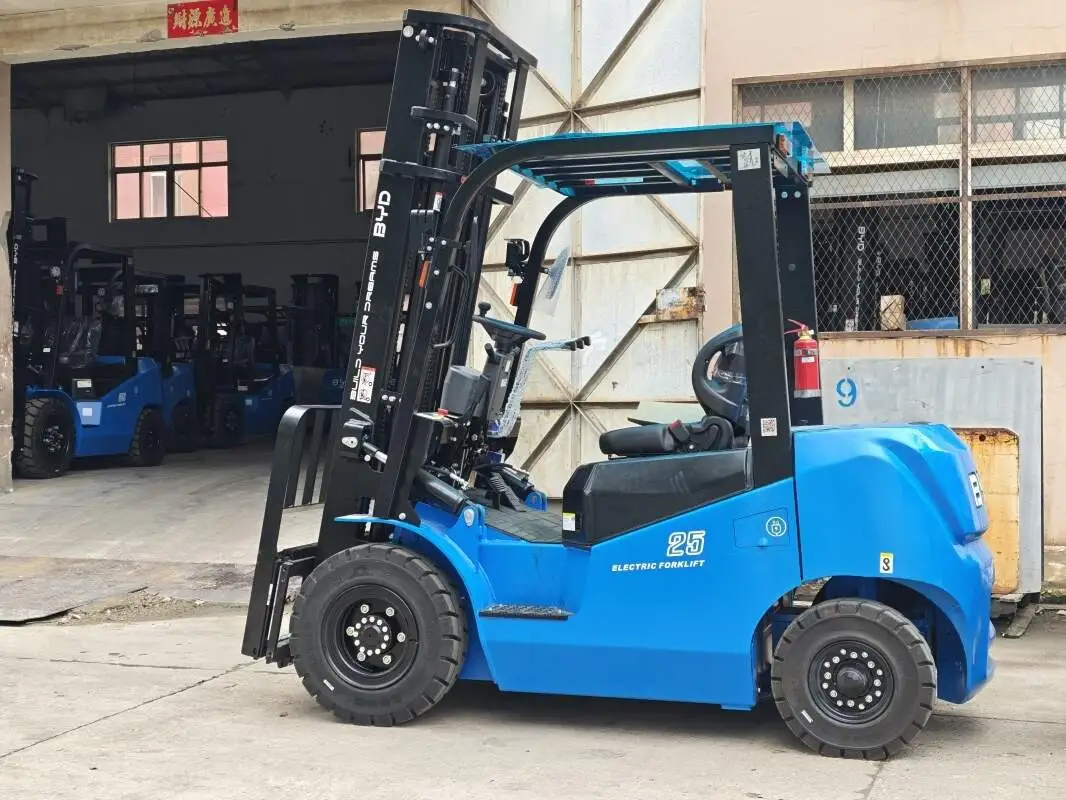
In modern warehousing, manufacturing, and logistics facilities, electric forklifts play a pivotal role in streamlining material handling operations. However, their efficiency comes with inherent risks if not operated safely. Adhering to core driving safety rules is essential to prevent workplace accidents, protect personnel, and safeguard valuable assets.
Pre-operation inspections are the foundation of safe electric forklift use. Before starting any shift, operators must conduct a thorough check of the vehicle’s critical components. This includes inspecting the battery’s charge level and connections to avoid unexpected power loss during operation. Brake systems, including service and parking brakes, should be tested to ensure responsive stopping. Lights, horns, and mirrors must be functional to maintain visibility and communicate with other workers. Additionally, inspecting tires for wear or damage ensures stable handling, especially when navigating uneven surfaces. Skipping these checks can lead to equipment failure and potentially dangerous situations.
Safe operational practices are non-negotiable for every electric forklift operator. Maintaining a controlled speed is crucial, particularly in busy areas or narrow aisles where visibility may be limited. Operators must always keep the load stable by ensuring it is properly centered and secured on the forks. When lifting loads, avoid sudden movements that could cause the forklift to tip over, especially when operating on ramps or inclines. Turning should be done slowly, and operators must check blind spots before maneuvering to avoid colliding with pedestrians or other equipment. It is also important to never exceed the forklift’s rated load capacity, as overloading compromises stability and increases the risk of accidents.
Awareness of the workplace environment is key to preventing incidents. Operators should be familiar with designated pedestrian zones and yield to foot traffic at all times. Keeping an eye out for obstacles such as pallets, debris, or low-hanging structures helps avoid collisions. When working in outdoor areas, operators must account for weather conditions like rain or snow, which can make surfaces slippery and reduce traction. In addition, always maintain a safe distance from other machinery and storage racks to prevent accidental damage to both the forklift and facility infrastructure.
Personnel safety protocols extend beyond the operator to everyone in the workplace. Operators must wear appropriate personal protective equipment (PPE), including steel-toe boots and high-visibility vests, to reduce injury risks. Under no circumstances should operators allow unauthorized personnel to ride on the forklift, as this poses a serious safety hazard. All operators should receive comprehensive training on electric forklift operation and safety procedures, with regular refreshers to reinforce best practices. Supervisors play a role in enforcing these protocols, ensuring that all workers understand the importance of following safety guidelines.
In the event of an emergency, knowing the correct response procedures can mitigate harm. If a forklift malfunctions, operators should safely park the vehicle, turn off the power, and report the issue to a supervisor immediately. In case of a small fire, use the appropriate fire extinguisher designed for electrical equipment. If an accident occurs, prioritize ensuring the safety of all involved, provide first aid if necessary, and report the incident to management promptly for investigation and corrective action.
By following these core driving safety rules, workplaces can create a safer environment for electric forklift operations. For professional guidance on electric forklift safety and reliable solutions, contact Jianshu New Energy at 17399989919@163.com.