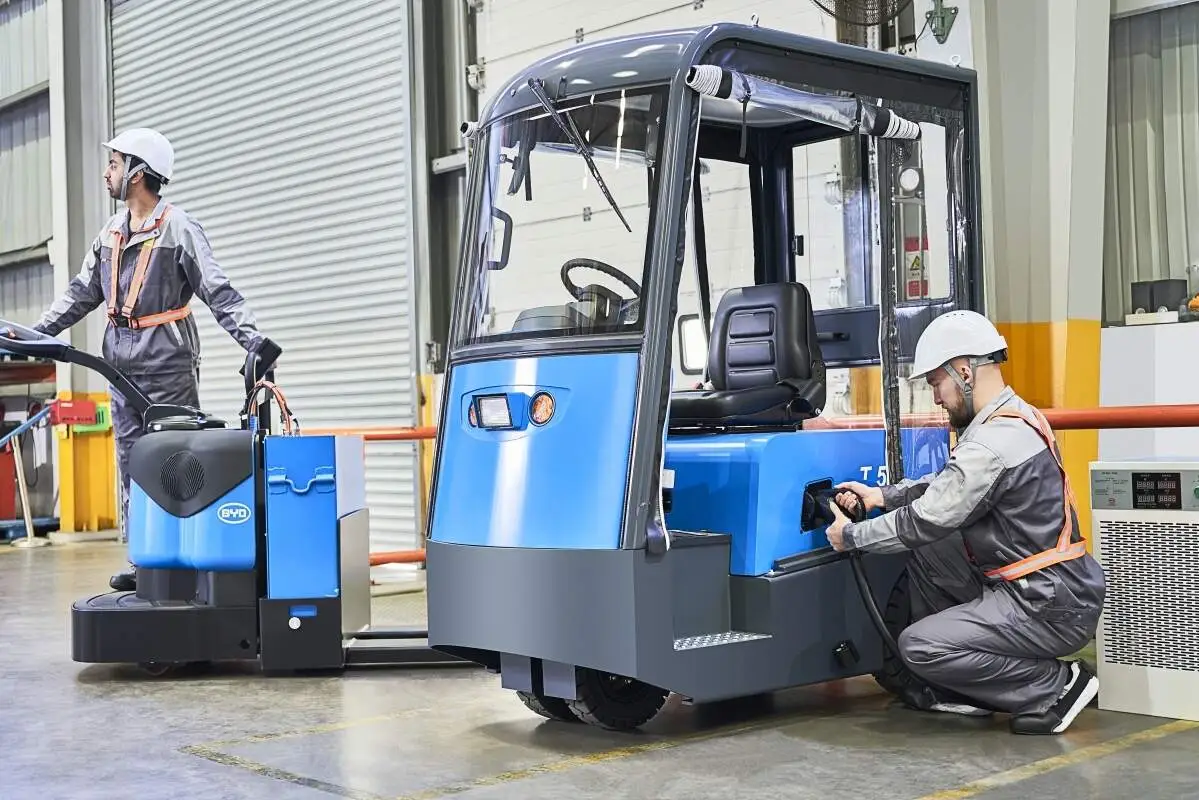
Daily pre-operation inspections are a critical component of electric forklift safety and longevity, helping to identify potential hazards before they lead to accidents or costly downtime. For operators and facility managers, understanding the core items to examine is essential for maintaining compliance with safety standards and ensuring smooth daily operations.
The first area to focus on is the forklift’s external structure and visual components. Start by inspecting the body for any signs of damage, such as dents, cracks, or loose parts, which could compromise structural integrity. Check the forks for bending, cracking, or excessive wear—damaged forks can fail under load, posing serious risks to both operators and surrounding personnel. Examine the tires for proper inflation, tread wear, and cuts; underinflated or worn tires can affect stability and maneuverability, especially when navigating uneven surfaces. Also, verify that all safety decals and labels are intact and legible, as they provide important operational guidance and safety reminders.
Electrical components are the heart of an electric forklift, so a thorough inspection here is non-negotiable. Begin by checking the battery terminals for corrosion, loose connections, or damage; poor battery connections can cause unexpected power loss or even electrical fires. Inspect the battery casing for leaks or cracks, as battery fluid is corrosive and can harm both the equipment and operators. Test all lighting systems—including headlights, taillights, turn signals, and hazard lights—to ensure they function correctly, as visibility is key for safe operation in warehouses, loading docks, and other busy work environments. Additionally, check the horn to confirm it is loud enough to alert others of the forklift’s presence, reducing the risk of collisions.
The hydraulic system enables the forklift to lift and move loads efficiently, so any issues here can directly impact performance and safety. Inspect the hydraulic hoses and cylinders for signs of leaks, cracks, or bulges; fluid leaks not only reduce the system’s efficiency but also create slippery surfaces that increase fall risks. Check the hydraulic fluid level to ensure it meets the manufacturer’s specifications—low fluid levels can cause the system to malfunction, leading to delayed or incomplete load movements. Operate the lift and tilt functions briefly to confirm they work smoothly, without unusual noises, jerks, or delays, which could indicate internal damage or blockages.
Finally, evaluate the forklift’s control and operational components to ensure they are in good working order. Test the steering wheel to ensure it turns smoothly without excessive play, which could indicate steering system problems that compromise maneuverability. Check the brake system by testing both the foot brake and parking brake; they should engage firmly and hold the forklift in place on a flat surface, preventing unintended movement. Inspect the seatbelt for fraying, damage, or faulty buckles—seatbelts are a primary safety feature that can prevent serious injuries in case of a tip-over. Also, verify that the emergency stop button is easily accessible and functions correctly, allowing the operator to shut down the forklift quickly if an emergency arises.
By systematically checking these core items during daily pre-operation inspections, operators can proactively address minor issues before they escalate into major problems. Regular inspections not only enhance workplace safety but also extend the lifespan of the forklift, reduce long-term maintenance costs, and ensure compliance with industry regulations. Remember, a well-maintained forklift is a safe forklift, and taking the time to perform these checks is an investment in both operational efficiency and employee well-being.