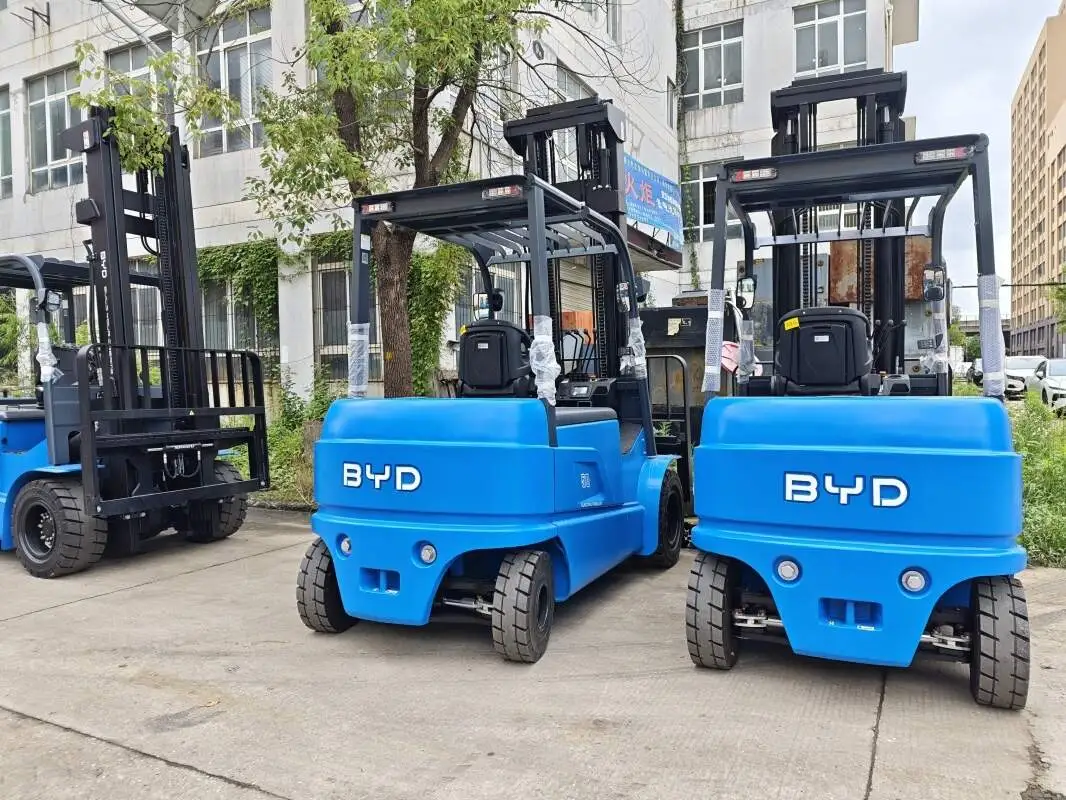
electric forklifts rely heavily on their batteries to deliver consistent performance in warehouses, distribution centers, and industrial settings. A well-maintained battery not only ensures daily operational efficiency but also extends service cycles, reducing long-term replacement costs. Understanding and implementing core maintenance practices is key to maximizing battery lifespan and reliability.
Proper Charging Practices
One of the most critical maintenance steps is adhering to correct charging protocols. Avoid overcharging, which can lead to excessive heat generation and electrolyte loss, accelerating battery degradation. Most batteries require a full charge cycle before use, and it’s important to avoid partial charging whenever possible, as this can cause memory effect over time. Additionally, allow the battery to cool down for 30 to 60 minutes after heavy use before initiating a charge. Regularly perform equalizing charges (full, slow charges) to balance cell voltages, ensuring uniform performance across all battery cells.
Regular Electrolyte Level Checks
Battery electrolyte plays a vital role in facilitating chemical reactions that generate power. For flooded lead-acid batteries, regularly check the electrolyte level in each cell to ensure it covers the plates. If levels are low, add distilled or deionized water (never tap water, which contains minerals that can damage the battery) to bring them to the recommended level. Avoid overfilling, as excess electrolyte can spill during charging or operation, causing corrosion and safety hazards. Conduct these checks at least once a month, or more frequently during high-temperature periods when evaporation rates are higher.
Cleaning and Corrosion Prevention
Corrosion on battery terminals and connections can hinder electrical flow, reducing battery performance and lifespan. Regularly inspect terminals and cable connections for signs of white or greenish corrosion. If present, disconnect the cables (starting with the negative terminal) and clean the terminals with a wire brush and a solution of baking soda and water. Rinse with clean water and dry thoroughly before reattaching the cables. Applying a thin layer of petroleum jelly after cleaning can help prevent future corrosion. Additionally, keep the battery surface free of dirt, debris, and spilled electrolyte to maintain optimal performance.
Optimal Storage Conditions
When an electric forklift is not in use for an extended period, proper battery storage is essential. Ensure the battery is fully charged before storage to prevent sulfation, a condition where lead sulfate crystals form on the plates, reducing capacity. Store the battery in a cool, dry area with a temperature range between 10°C to 25°C (50°F to 77°F). Avoid storing in extreme temperatures, as high heat can accelerate self-discharge and degradation, while freezing temperatures can damage the battery cells. Check the battery charge level every two to three weeks during storage and recharge as needed to maintain full capacity.
By implementing these core maintenance tips, operators and maintenance teams can effectively extend electric forklift battery service cycles, enhance operational reliability, and reduce overall operational costs. Consistent adherence to these practices ensures that the battery remains in optimal condition, supporting daily tasks without unexpected downtime.