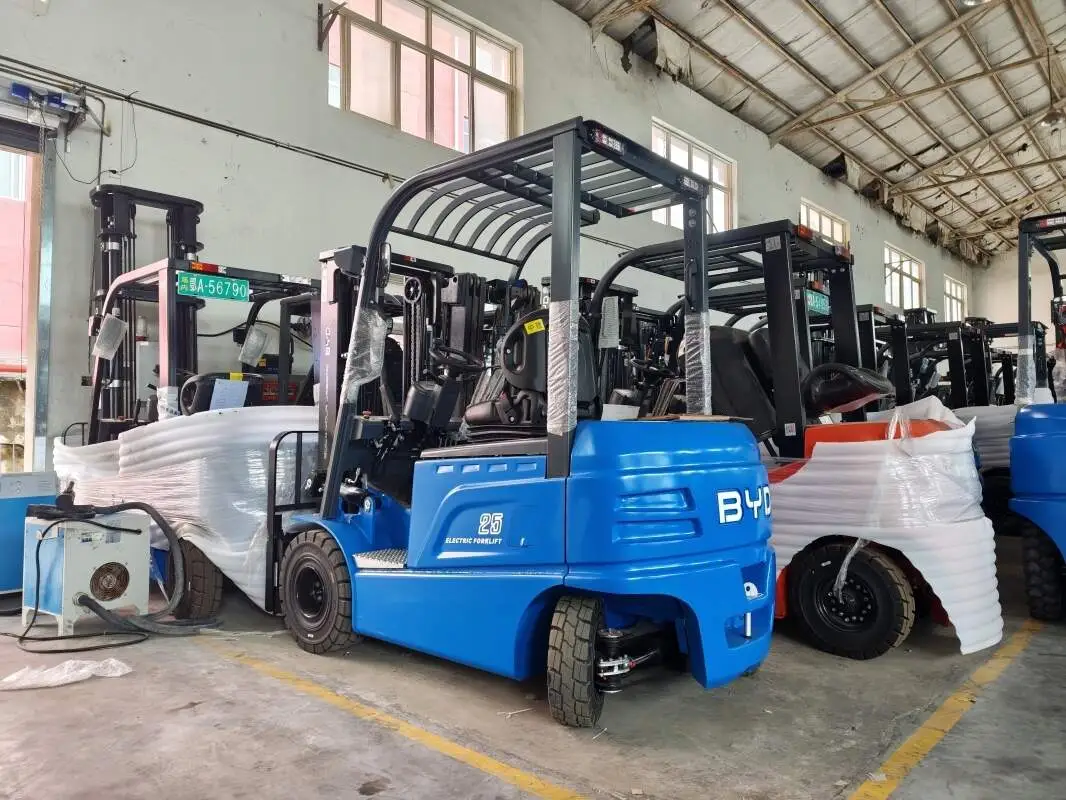
Forklifts are integral to many industrial and warehouse operations, but their improper use poses significant safety risks. The California Occupational Safety and Health Administration (Cal OSHA) has established strict core operating specifications to mitigate these hazards, ensuring the safety of workers and compliance with state regulations.
Pre-Operation Inspection Requirements
Before starting any forklift task, operators must conduct a thorough pre-operation inspection as mandated by Cal OSHA. This includes checking critical components such as brakes, steering mechanisms, tires, lights, and horn to ensure they function correctly. Operators should also inspect the fuel system (for internal combustion models) or battery (for electric forklifts) for leaks or damage. Any defects must be reported immediately, and the forklift should not be used until repairs are completed. This step is critical to prevent mechanical failures that could lead to accidents during operation.
Safe Operation Practices
Cal OSHA outlines specific guidelines for safe forklift operation to minimize risks. Operators must adhere to designated speed limits, which vary by workplace environment—slower speeds are required in narrow aisles, crowded areas, or near pedestrian zones. Maintaining clear visibility is essential; if a load blocks forward view, operators must travel in reverse, using a spotter if necessary. When operating on ramps or inclines, forklifts should always travel with the load facing uphill to prevent tipping. Operators must never leave a running forklift unattended, and they should always wear appropriate personal protective equipment (PPE), including steel-toe boots and high-visibility vests.
Load Handling Guidelines
Proper load handling is a key component of Cal OSHA’s operating specifications. Operators must ensure that loads are stable, evenly distributed, and within the forklift’s rated capacity. Overloading a forklift can cause tipping, one of the most common forklift-related accidents. Before lifting a load, operators should adjust the forks to match the load’s width and ensure the load is secured to prevent shifting during transport. When raising or lowering loads, movements should be smooth and controlled to avoid sudden jolts that could destabilize the forklift or the load. Additionally, operators should avoid raising loads while traveling, except when necessary for clearances.
Post-Operation Procedures
After completing tasks, operators must follow Cal OSHA’s post-operation protocols. This includes parking the forklift in a designated area, setting the parking brake, lowering the forks to the ground, and turning off the ignition or disconnecting the battery. For internal combustion forklifts, operators should also ensure the engine is turned off and the fuel cap is secure. Post-operation checks may include noting any new defects or issues that arose during use and reporting them to maintenance staff. Proper storage helps prevent unauthorized use and ensures the forklift is ready for safe operation in future tasks.
Compliance and Training
Cal OSHA requires all forklift operators to complete formal training and certification before operating a forklift. Training must cover the specific type of forklift being used, as well as Cal OSHA’s operating specifications, safety protocols, and emergency procedures. Employers are responsible for ensuring operators receive regular refresher training, especially after accidents, near-misses, or changes in workplace conditions. Compliance with these training requirements is not only a regulatory obligation but also a critical step in reducing workplace injuries and maintaining a safe work environment.
By following these core operating specifications from Cal OSHA, employers and operators can significantly reduce the risk of forklift-related accidents, protect worker safety, and ensure full compliance with state occupational health and safety regulations.