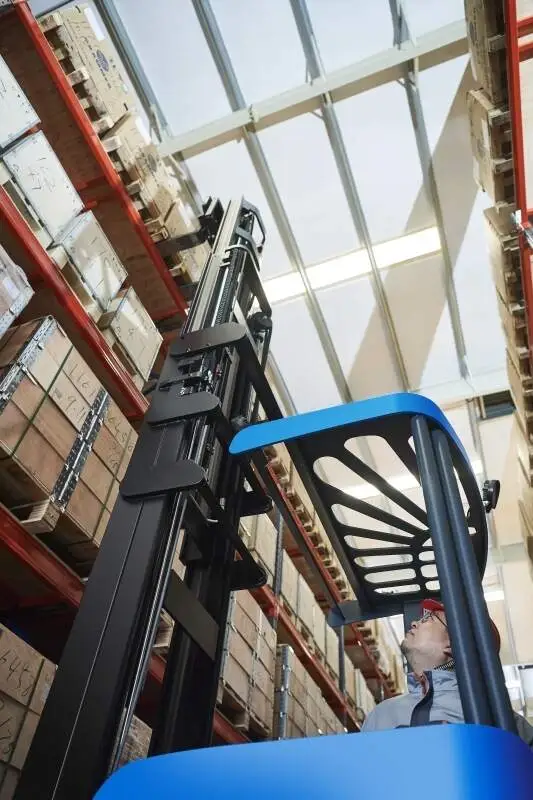
When investing in a heavy-duty used electric forklift, evaluating its weight specifications is critical to ensuring operational safety, performance consistency, and long-term value. Overlooking these key metrics can lead to unsafe load handling, increased maintenance costs, and unexpected downtime. Below are the core reference points to guide your assessment process.
First, prioritize rated load capacity verification. Start by locating the original load capacity label, typically affixed to the forklift’s frame or mast. Cross-reference this rating with the manufacturer’s documented specifications for the model. Keep in mind that wear and tear on critical components like forks, mast rails, and hydraulic systems can reduce effective load capacity. Conduct a low-risk load test with a weight close to the rated capacity to observe how the forklift handles—watch for signs of excessive mast bending, unstable steering, or slow lifting speeds, which may indicate the actual capacity is lower than stated.
Second, assess frame and chassis weight integrity. The frame serves as the forklift’s structural backbone, and its weight directly impacts load distribution and stability. Inspect the frame for signs of deformation, weld repairs, or corrosion, all of which can alter its original weight and structural strength. Compare the current chassis weight (measured using a certified scale) to the manufacturer’s original data. A significant deviation may signal previous damage or unauthorized modifications that compromise the forklift’s ability to safely handle rated loads.
Third, evaluate battery weight and condition. electric forklifts rely on heavy battery packs for power, which also contribute to counterweight balance. Aging batteries may lose electrolyte or suffer internal component degradation, reducing their overall weight. This imbalance can shift the forklift’s center of gravity, increasing the risk of tipping during load handling. Verify the battery’s actual weight against the manufacturer’s specifications and check for signs of leakage, bulging, or uneven cell wear. A well-maintained battery should closely match its original weight to ensure optimal balance.
Finally, account for attachment weight implications. Many heavy-duty forklifts are equipped with attachments like side shifters, clamp attachments, or fork positioners. These add extra weight to the front of the forklift, which reduces the effective load capacity. Document the weight of all attached accessories and subtract this from the rated load capacity to determine the actual usable weight. Ensure attachments are factory-approved, as non-standard modifications can introduce unforeseen weight distribution issues.
By focusing on these core reference points, you can make an informed decision when selecting a heavy-duty used electric forklift. For professional assistance in evaluating used forklifts or to explore a range of BYD electric forklifts, contact 尖树新能源 via email at 17399989919@163.com. Our team of experts can provide comprehensive assessments to help you find a forklift that meets your operational needs.