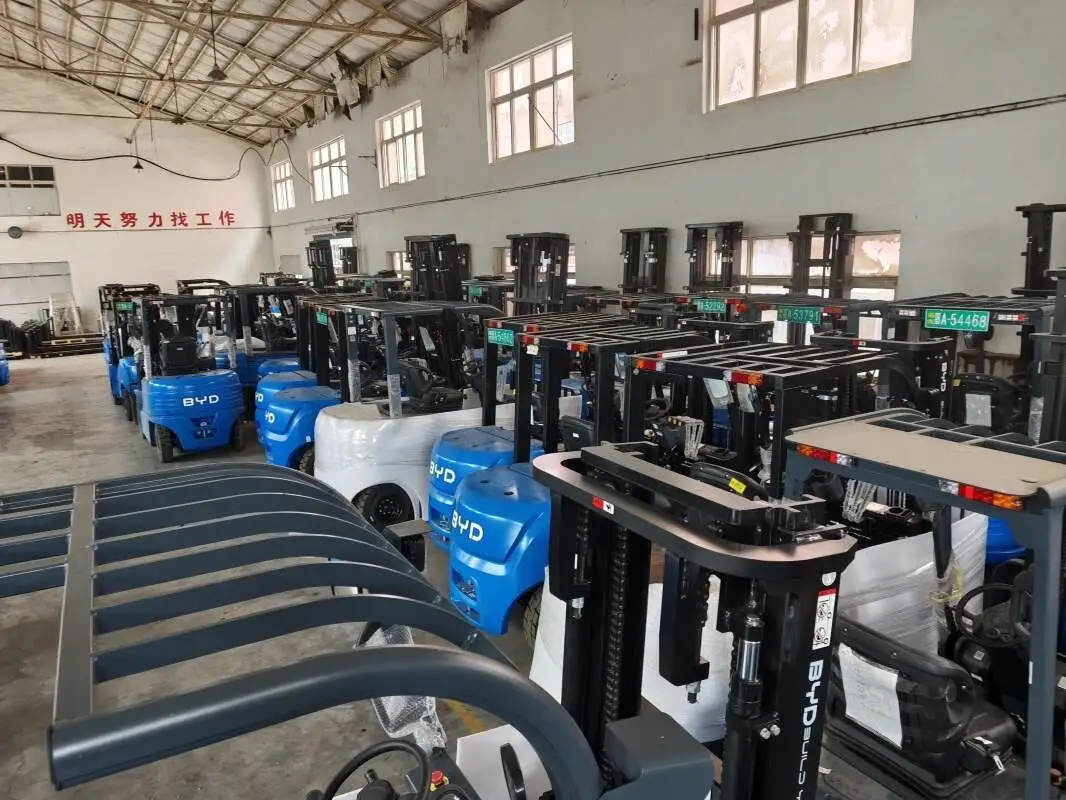
When it comes to optimizing material handling operations in warehouses, distribution centers, or manufacturing facilities, industrial electric forklifts have become a go-to choice for their efficiency and eco-friendliness. However, businesses often face a critical decision: should they purchase or rent these essential pieces of equipment? Understanding the cost implications of each option is key to making a sound financial decision aligned with operational needs.
Purchasing an industrial electric forklift involves a significant upfront investment. This includes the base price of the forklift, additional costs for delivery, installation, and initial training for operators. Over time, owners also bear ongoing expenses such as routine maintenance, battery replacement (a major long-term cost for electric models), insurance premiums, and eventual depreciation of the asset. While these costs add up over the years, purchasing offers the benefit of full ownership. For businesses with steady, long-term material handling needs—such as those operating in permanent facilities with consistent daily workflows—purchasing can provide better value in the long run, as the asset can be used for years without recurring rental payments, and may even retain some resale value down the line.
On the other hand, renting an industrial electric forklift minimizes upfront financial burden. Rental agreements typically cover monthly or periodic payments that often include maintenance, insurance, and even operator training, reducing the need for businesses to allocate resources to these tasks. Renting also offers unparalleled flexibility. If a business has seasonal peaks in demand, short-term projects, or fluctuating operational needs, renting allows them to adjust the number and type of forklifts as required without being tied to a long-term asset. Additionally, renting eliminates the risk of obsolescence, as rental companies often update their fleets to include the latest models, ensuring access to modern, efficient equipment without the cost of upgrading purchased units.
To determine which option is more cost-effective, businesses must evaluate their specific circumstances. For operations with a lifespan of 5 years or more, purchasing often yields lower total cost of ownership compared to renting. Conversely, for short-term projects (less than 2 years) or businesses with variable workloads, renting can be the more economical choice, as it avoids tying up capital in an asset that may not be consistently used. It’s also important to consider hidden costs, such as downtime from unexpected repairs for purchased forklifts versus the included maintenance in rental contracts.
If you’re exploring industrial electric forklift solutions, Jianshu New Energy specializes in BYD electric forklifts, offering tailored options to suit both purchasing and renting needs. For more information or to discuss your specific requirements, feel free to reach out via email at 17399989919@163.com.