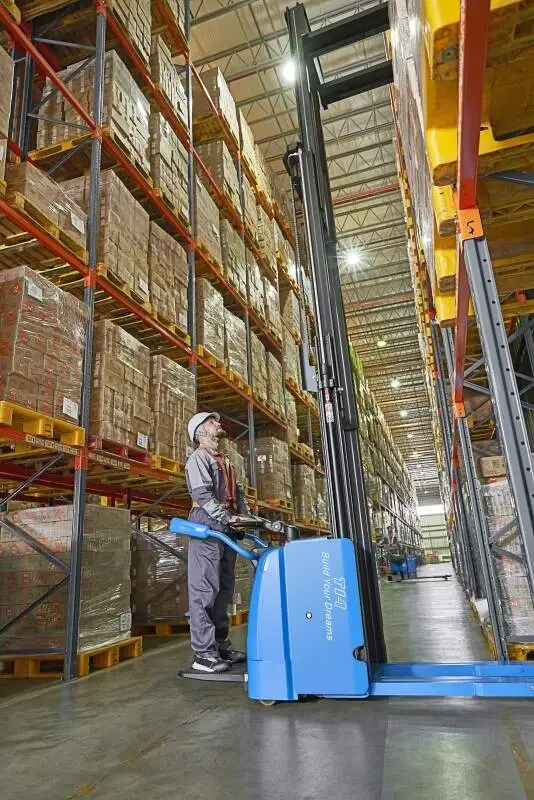
In modern warehouse management, narrow-aisle storage solutions are critical for maximizing space utilization, especially as land and storage costs continue to rise. Sideloader electric forklifts have emerged as a practical choice for these environments, thanks to their ability to maneuver in tight spaces while handling long or bulky loads efficiently. Understanding the cost implications of investing in such equipment is essential for businesses to make informed budget decisions.
Initial Acquisition Cost
The initial purchase price of a sideloader electric forklift varies based on several key factors. Load capacity is a primary driver: models designed to handle heavier loads (typically ranging from 2 to 5 tons) will come with a higher price tag compared to lighter-duty options. Battery type also plays a role; lithium-ion batteries, which offer longer lifespan and faster charging, generally increase the upfront cost compared to lead-acid alternatives. As a specialist in BYD electric forklifts, Jianshu New Energy offers a range of sideloader models that balance performance and cost, ensuring businesses can find options aligned with their specific load and space requirements.
Operational and Maintenance Costs
Beyond the initial purchase, operational expenses contribute significantly to the total cost of ownership. Electric forklifts have a clear advantage here over diesel counterparts: electricity costs are generally lower per hour of operation, and there’s no need for fuel storage or handling. Maintenance requirements are also reduced, as electric models have fewer moving parts than internal combustion engines. Routine maintenance includes battery inspection, tire checks, and occasional component servicing. For BYD electric forklifts, the durable battery systems minimize the frequency of replacements, further cutting down long-term maintenance costs.
Long-Term Cost Efficiency
When evaluating cost, it’s important to consider long-term efficiency and returns. Sideloader electric forklifts are designed to optimize narrow-aisle operations, reducing the time spent maneuvering and increasing overall productivity. This efficiency translates to labor cost savings over time. Additionally, their energy-efficient operation lowers monthly utility bills, and the extended lifespan of electric components means businesses won’t need to replace the forklift as frequently as older, less efficient models. Choosing a reliable brand like BYD ensures consistent performance and reduces the risk of unplanned downtime, which can lead to costly disruptions in warehouse operations.
Key Factors Affecting Cost
Several external factors can influence the total cost of a sideloader electric forklift investment. The size of the warehouse and the frequency of use are critical: businesses with larger warehouses or 24/7 operations may require higher-capacity models with more robust batteries, affecting both upfront and operational costs. Customization needs, such as specialized attachments for handling unique loads, can also add to the initial price. Jianshu New Energy’s team can provide personalized cost assessments based on your warehouse’s specific needs, helping you avoid unnecessary expenses.
For businesses seeking detailed cost breakdowns and tailored recommendations for sideloader electric forklifts in narrow-aisle warehouses, reach out to Jianshu New Energy at 17399989919@163.com. Our expertise in BYD electric forklifts ensures you get reliable, cost-effective solutions that meet your storage and operational demands.