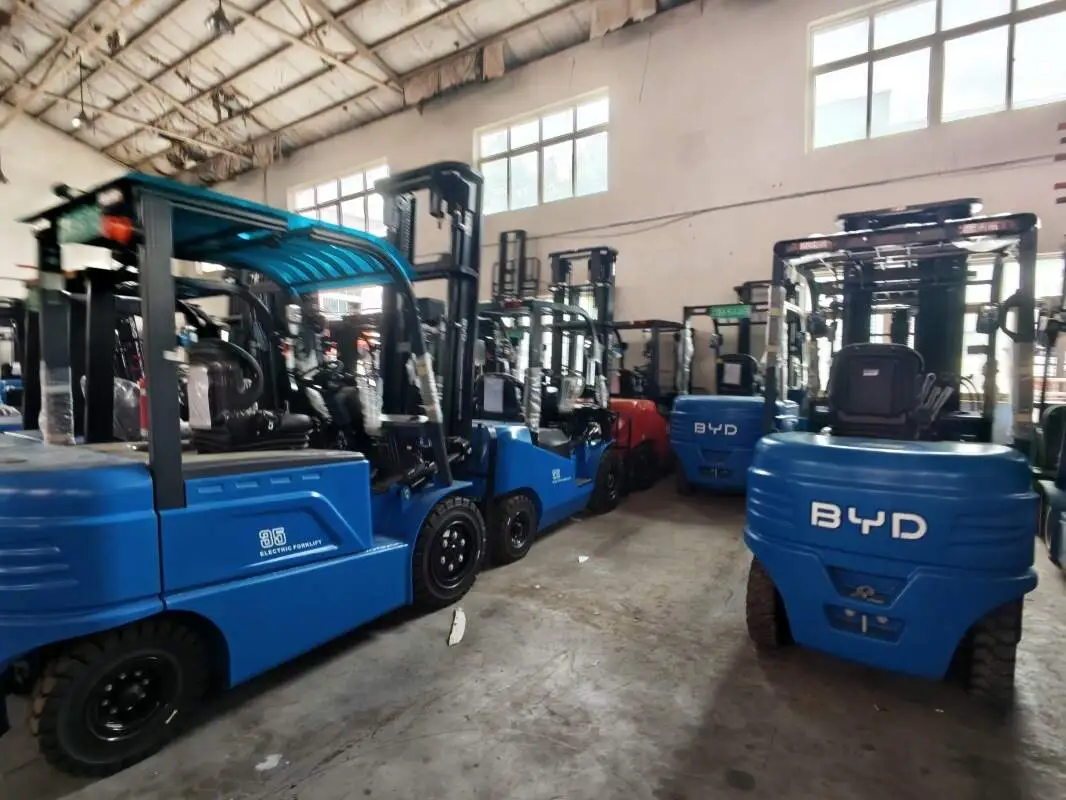
The hydraulic system is the backbone of a sideshifter forklift, enabling smooth, precise movement of the forks and side-shifting mechanism to handle loads efficiently. Neglecting its daily maintenance can lead to costly breakdowns, reduced operational efficiency, and safety risks. By following a consistent daily maintenance routine, operators can keep the hydraulic system in optimal condition and avoid unexpected downtime.
Start each workday by checking the hydraulic fluid level. This simple step prevents severe damage caused by low fluid levels, which can lead to air entering the system and impaired performance. Park the forklift on a flat, level surface, turn off the engine, and wait a few minutes for the fluid to settle. Locate the hydraulic fluid reservoir, remove the dipstick, and wipe it clean before reinserting it to get an accurate reading. Ensure the fluid falls within the designated "full" and "low" markers on the dipstick. If the level is low, add the recommended type of hydraulic fluid—never mix different fluid types, as this can cause chemical reactions that damage system components.
Next, conduct a thorough inspection for leaks and damaged components. Hydraulic leaks not only waste fluid but also indicate potential failures in hoses, seals, or fittings. Walk around the forklift, paying close attention to the hydraulic lines, connections, and the sideshifter mechanism. Look for visible puddles or damp spots on the ground, as well as oily residue on components. Check for cracks, bulges, or abrasions on hydraulic hoses, and tighten any loose fittings gently. If a leak is detected or a component shows signs of damage, mark the issue and report it to maintenance personnel immediately—do not operate the forklift until the problem is resolved.
Keeping hydraulic components clean is another critical daily task. Dust, dirt, and debris can contaminate the hydraulic fluid, leading to wear and tear on valves, pumps, and cylinders. Use a clean, dry cloth to wipe down the hydraulic reservoir, hoses, and sideshifter mechanism each day. Avoid using high-pressure water to clean these components, as it can force moisture into the system and cause corrosion. Additionally, ensure the reservoir cap is tightly sealed after checking fluid levels to prevent contaminants from entering.
Before beginning any lifting operations, test the sideshifter and hydraulic functions. Start the forklift engine, engage the parking brake, and slowly operate the sideshifter mechanism to move the forks left and right. Listen for unusual noises, such as grinding or whining, which may indicate air in the system or worn components. Observe how smoothly the forks move—any jerky movements or delays could signal a problem with hydraulic pressure or clogged valves. Test the lifting and lowering functions as well to ensure consistent performance across all hydraulic operations. If any irregularities are noticed, stop use and have the system inspected by a qualified technician.
Finally, follow proper fluid handling and storage practices to maintain hydraulic system health. When refilling fluid, use only clean, sealed containers to avoid contamination. Store hydraulic fluid in a cool, dry area away from direct sunlight and sources of heat, as extreme temperatures can degrade the fluid’s properties. Always dispose of used hydraulic fluid in accordance with local environmental regulations to prevent pollution.
By incorporating these daily maintenance tips into your routine, you can significantly extend the lifespan of your sideshifter forklift’s hydraulic system, reduce repair costs, and ensure safe, efficient operations on a daily basis.