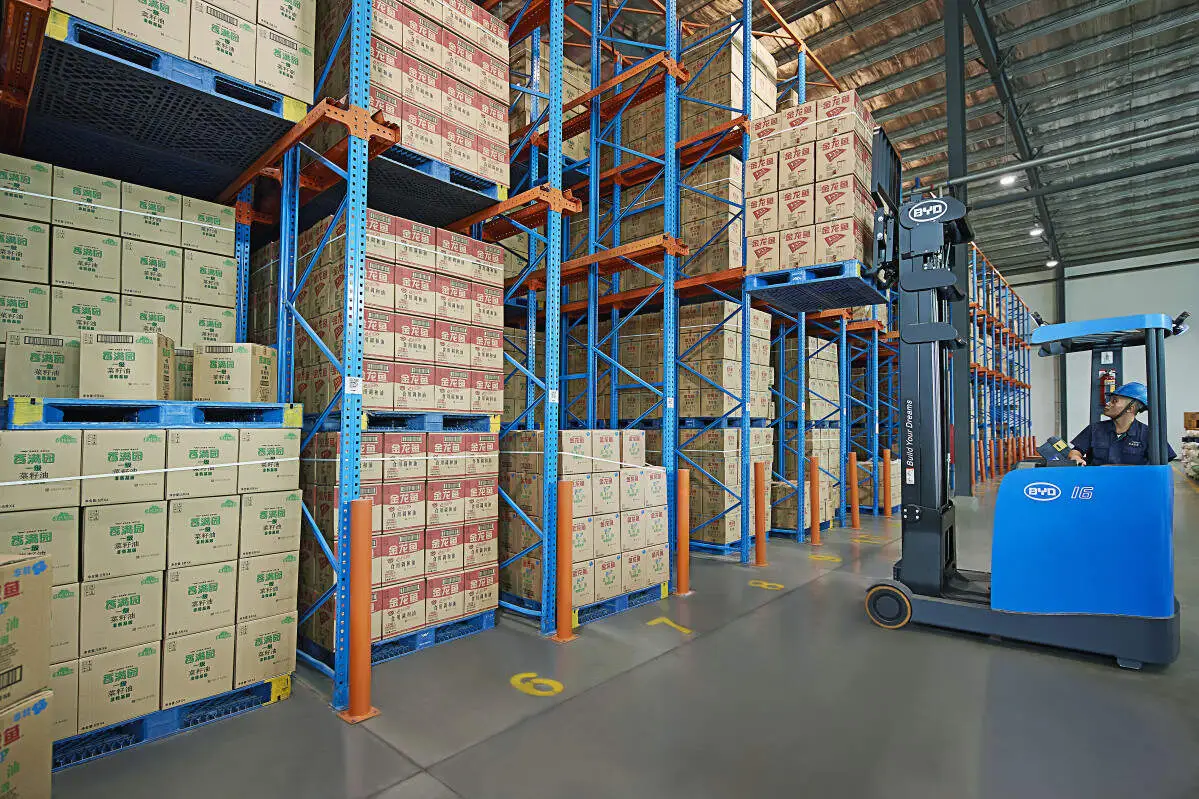
The radiator and coolant system play a critical role in maintaining the optimal operating temperature of an electric forklift, directly influencing its performance, efficiency, and overall lifespan. Neglecting daily maintenance of these components can lead to overheating, reduced operational efficiency, and costly downtime. As a professional electric forklift specialist, here are practical daily maintenance suggestions to keep your equipment running smoothly.
Daily Coolant Level and Condition Check
Start your day by inspecting the coolant level when the forklift is parked on a flat surface and the system is completely cool. Locate the coolant reservoir and ensure the level sits between the clearly marked minimum and maximum lines on the tank. If the level falls below the minimum threshold, add the recommended type of coolant mixed with distilled water strictly following the equipment’s operational guidelines. Additionally, examine the coolant’s appearance: clean coolant should have a consistent, transparent color without any signs of contamination like rust particles, oil droplets, or cloudiness. Abnormal discoloration or visible debris may indicate internal system issues or leaks that require further assessment.
Radiator Exterior Inspection and Cleaning
Visually inspect the radiator’s exterior for any obstructions such as dirt, dust, leaves, or industrial debris, which can block airflow and hinder effective heat dissipation. Use a soft-bristled brush or low-pressure compressed air to gently remove accumulated debris from the radiator fins. Avoid using high-pressure water, as it can damage the delicate fins and potentially cause leaks. Pay close attention to hard-to-reach areas like the edges and corners of the radiator where debris tends to accumulate. Regular cleaning ensures the radiator can efficiently transfer heat away from the forklift’s core components.
Hose and Connection Checks
Thoroughly examine all hoses connected to the radiator and coolant system for signs of wear, cracks, bulges, or leaks. Check the clamps securing the hoses to ensure they are tight and properly fastened—loose clamps can lead to coolant loss, while damaged hoses may fail unexpectedly and trigger overheating. If you notice any damaged hoses or loose clamps, replace or adjust them promptly to prevent potential operational disruptions. Additionally, inspect the radiator cap for proper sealing; a faulty cap can compromise the system’s pressure regulation capabilities and lead to coolant evaporation or loss.
Post-Operation Inspection
After completing daily operations, take a few minutes to inspect the radiator and coolant system once the equipment has cooled down. Check the ground beneath the forklift for any signs of coolant leaks, which may appear as small puddles of colored fluid. Listen for unusual sounds like gurgling or hissing coming from the cooling system, as these can indicate trapped air pockets or hidden leaks. Throughout the day, keep an eye on the temperature gauge—if it shows a higher-than-normal reading, stop using the forklift immediately and investigate the cause to avoid serious component damage.
By following these straightforward daily maintenance steps, you can significantly reduce the risk of overheating and extend the service life of your electric forklift’s radiator and coolant system. For professional assistance or customized maintenance guidance, feel free to contact Jianshu New Energy, a specialist in electric forklifts, at 17399989919@163.com. Our team of experts is dedicated to helping you keep your equipment in optimal condition for reliable daily operations.