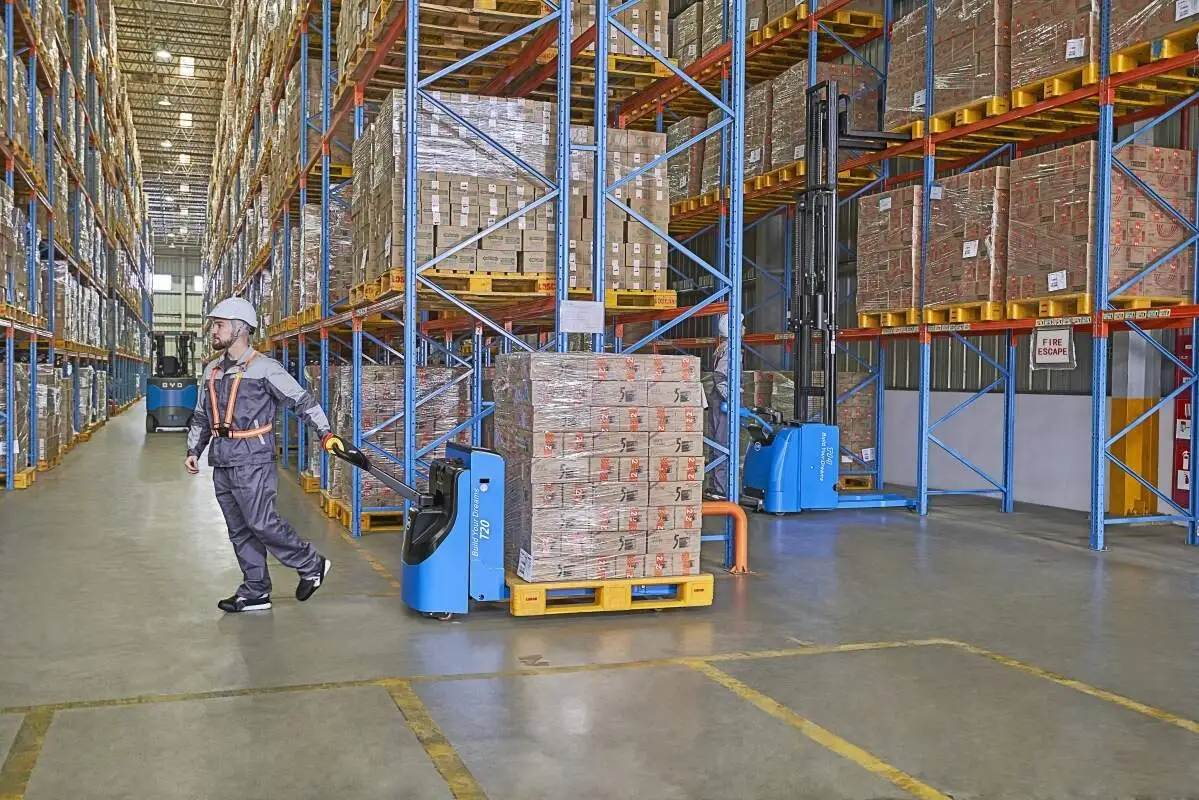
As critical load-bearing components of electric forklifts, tines and attachments directly impact operational safety and equipment lifespan. Implementing consistent daily maintenance routines for these parts is essential to avoid unexpected breakdowns and ensure smooth workflow.
Routine Pre-Operation Inspections
Start each shift with a thorough visual inspection of forklift tines and attachments. Check tines for visible cracks, bends, or excessive wear—pay close attention to areas where tines connect to the carriage, as these bear the most stress. For attachments like side shifters or clamp arms, inspect all bolted connections to ensure they are tight and secure. Look for signs of hydraulic fluid leaks around attachment joints, which could indicate seal damage that requires immediate attention.
Regular Cleaning and Debris Removal
After each use, take time to clean tines and attachments to remove accumulated dirt, oil, and cargo residue. Debris trapped in attachment mechanisms can cause jamming or accelerated wear over time. Use a brush or low-pressure water to gently clean surfaces; avoid high-pressure water jets on hydraulic components, as this may force water into seals and cause internal corrosion. Wipe down tines and attachments with a dry cloth to prevent moisture buildup that leads to rust.
Proper Lubrication of Moving Components
Lubrication is key to reducing friction between moving parts. Daily, apply a suitable, high-quality lubricant to the pivot points of tines and attachment joints, such as hinge pins for clamp arms or side shifter rails. Prior to lubrication, clean the area to remove dirt and old grease that could contaminate the new lubricant. Follow the manufacturer’s recommended lubrication intervals to ensure optimal performance—skimping on this step can lead to premature wear and costly repairs.
Wear Monitoring and Timely Repair
In addition to visual checks, conduct periodic wear measurements to track the condition of tines and attachments. For tines, measure the thickness at the most worn points; if wear exceeds 10% of the original thickness, the tines should be replaced to maintain load-bearing capacity. Inspect attachments for worn or damaged parts, such as rubber pads on clamp arms or worn-out hinge bushes. Never attempt to weld or straighten cracked tines, as this compromises their structural integrity—always replace damaged components with compliant replacements.
Safe Storage Practices
When the forklift is not in use, lower the tines to the ground to distribute weight evenly and reduce stress on the carriage and hydraulic system. If attachments are detachable, store them in a dry, well-ventilated area away from extreme temperatures and corrosive substances. Place attachments on a flat surface to prevent bending or warping, and cover them with a protective sheet if stored outdoors to avoid rust and weather damage.
By following these daily maintenance suggestions, you can extend the service life of your electric forklift’s tines and attachments, minimize downtime, and create a safer working environment for all operators. Consistent care ensures that these critical components perform reliably, supporting efficient material handling operations day after day.