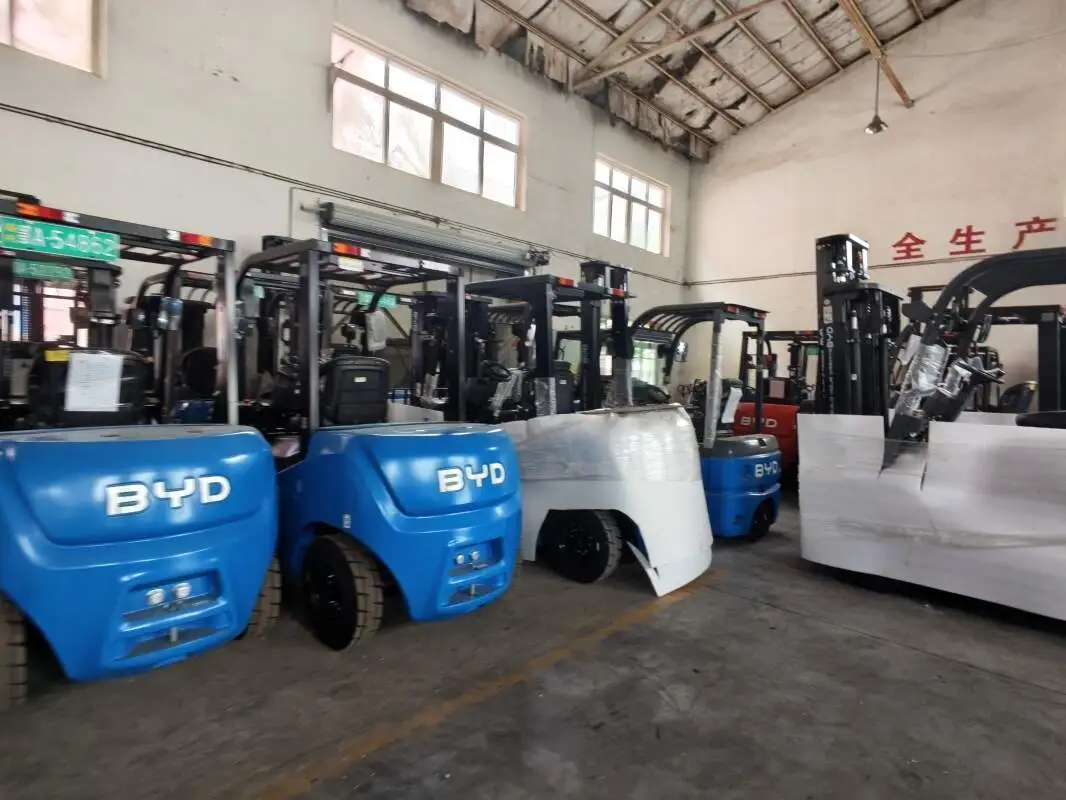
Electric stacker forklifts are vital tools in warehouses, distribution centers, and manufacturing facilities, streamlining material handling tasks with efficiency. However, consistent daily maintenance is critical to preserving their performance, extending their operational lifespan, and ensuring the safety of operators and workplace environments. Below are structured daily maintenance suggestions to keep your stacker forklift in optimal condition.
Before starting any shift, conduct a thorough visual inspection of the entire equipment. Begin with the exterior: check for any visible damage to the body, forks, or mast. Ensure the forks are straight, free from cracks, and securely attached. Inspect the tires for proper inflation, wear patterns, and any cuts or punctures that could affect stability. Next, focus on the battery system—verify the charge level meets operational requirements, and inspect cable connections for corrosion, looseness, or fraying. Test the primary control components, including the steering wheel, brake pedals, lift and lower buttons, and horn, to confirm they respond smoothly and effectively.
While operating the stacker forklift, stay attentive to any unusual signs that may indicate underlying issues. Listen for strange noises such as grinding, squealing, or rattling, which could signal problems with the mast, chains, or hydraulic system. Monitor the battery temperature and performance; if the battery feels excessively hot or loses charge faster than usual, cease operations immediately to avoid damage. Pay attention to the forklift’s handling—if steering becomes unresponsive, or the lift function operates slowly, note these issues for post-shift inspection.
At the end of each shift, take time to clean the stacker forklift thoroughly. Remove any debris, dust, or spilled materials from the body, forks, and mast to prevent buildup that could cause corrosion or interfere with moving parts. Ensure the equipment is parked in a designated, level area with the forks lowered to the ground and the parking brake engaged. Record any issues observed during the shift in a maintenance log, providing detailed notes on noise, performance inconsistencies, or visible damage to guide future inspections.
In addition to routine checks, dedicate time to key components that require daily attention. Inspect the lift chains for proper tension—loose chains can lead to unstable lifting, while overly tight chains may cause excessive wear. Check the hydraulic fluid level through the designated gauge; if it falls below the recommended mark, top it up with the appropriate fluid type (avoid mixing different fluids). For battery-powered units, if applicable, check the electrolyte level in each cell (for lead-acid batteries) and add distilled water if needed, ensuring levels stay within the manufacturer’s specified range. Avoid overcharging the battery, as this can reduce its overall lifespan.
By following these daily maintenance suggestions, you can minimize unexpected breakdowns, reduce long-term repair costs, and ensure your electric stacker forklift operates safely and efficiently. Consistent care not only protects your investment but also contributes to a more productive and secure workplace environment.