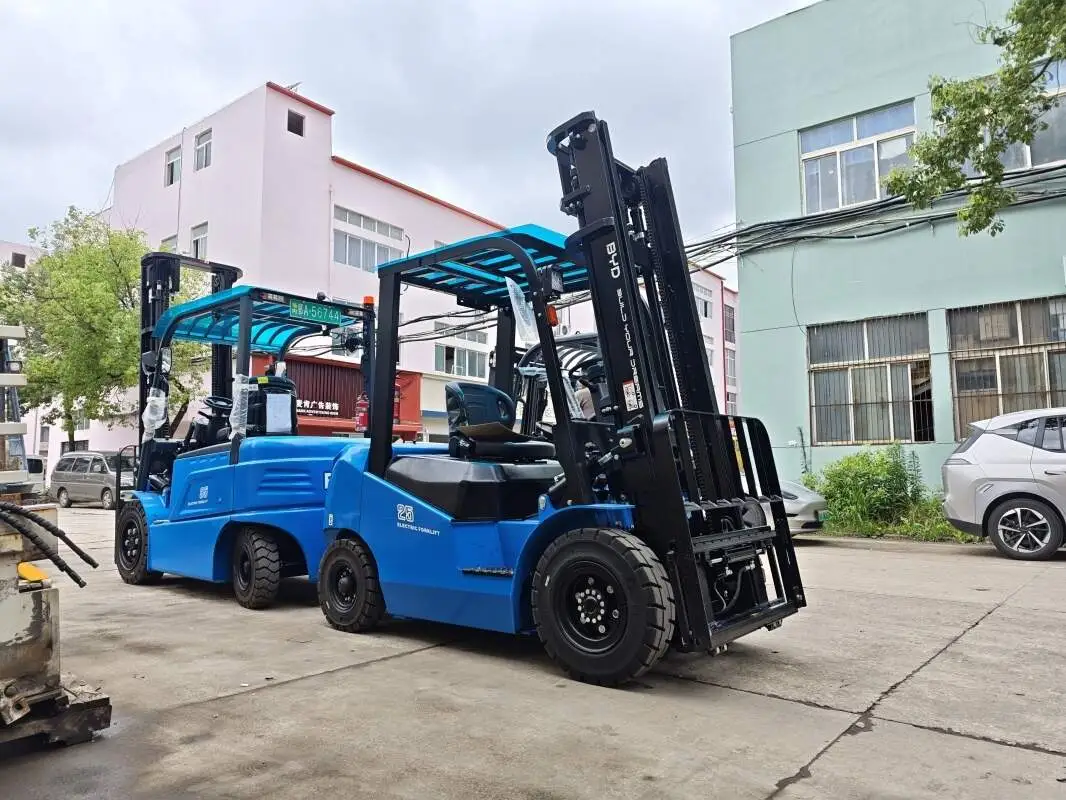
Cheese processing and storage demand specialized handling solutions to maintain product quality, hygiene, and operational efficiency. Unlike standard material handling equipment, forklifts used in cheese facilities must meet strict food safety regulations, adapt to unique environmental conditions, and handle delicate cheese products with care. Dedicated electric forklifts designed specifically for cheese processing handling address all these requirements, making them an essential asset for cheese manufacturers and distributors.
One of the core features of these specialized forklifts is their food-grade construction. Built with stainless steel components that resist corrosion and are easy to sanitize, these forklifts eliminate the risk of contamination that could compromise cheese safety. Sealed electrical systems and enclosed hydraulic components prevent leakages of fluids that might come into contact with cheese products. Smooth, non-porous surfaces allow for quick and thorough cleaning, adhering to strict sanitation protocols required in food processing environments. Operators can easily wipe down surfaces and access hard-to-reach areas, reducing downtime between cleaning cycles.
Precise control is another critical aspect of dedicated cheese handling forklifts. Cheese products, whether in crates, boxes, or bulk containers, are often fragile and prone to damage if handled roughly. These forklifts are equipped with responsive steering, adjustable lift speeds, and soft-start braking systems to ensure smooth movement at all times. The forks are designed to fit standard cheese pallet sizes securely, minimizing the risk of shifting or falling loads. Some models also feature side-shift capabilities, allowing operators to position loads accurately without repositioning the entire forklift, which reduces the chance of collisions with shelves or other equipment.
Many cheese storage facilities operate at low temperatures to preserve product freshness and extend shelf life. Standard electric forklifts may struggle with battery performance and mechanical reliability in cold environments, but dedicated cheese handling forklifts are engineered to thrive in these conditions. They use cold-resistant batteries that maintain consistent power output even in sub-zero temperatures, ensuring uninterrupted operation. Insulated components and specialized lubricants prevent mechanical parts from freezing or malfunctioning, reducing maintenance needs and increasing equipment longevity in cold storage rooms.
Safety and compliance are paramount in cheese processing facilities, and these forklifts are equipped with features to enhance both. Integrated collision avoidance systems and proximity sensors alert operators to nearby obstacles, reducing the risk of accidents that could damage products or injure personnel. Low-speed modes are available for use in narrow aisles or crowded processing areas, ensuring safe navigation in tight spaces. Additionally, these forklifts meet all relevant food industry safety standards, helping facilities maintain compliance and avoid costly penalties.
By investing in dedicated electric forklift equipment for cheese processing handling, businesses can significantly improve their operational efficiency while upholding the highest standards of food safety. These specialized forklifts reduce product damage, streamline material flow, and minimize downtime associated with cleaning and maintenance. As the demand for high-quality cheese continues to grow, having reliable, purpose-built handling equipment becomes increasingly important for staying competitive in the food processing industry.