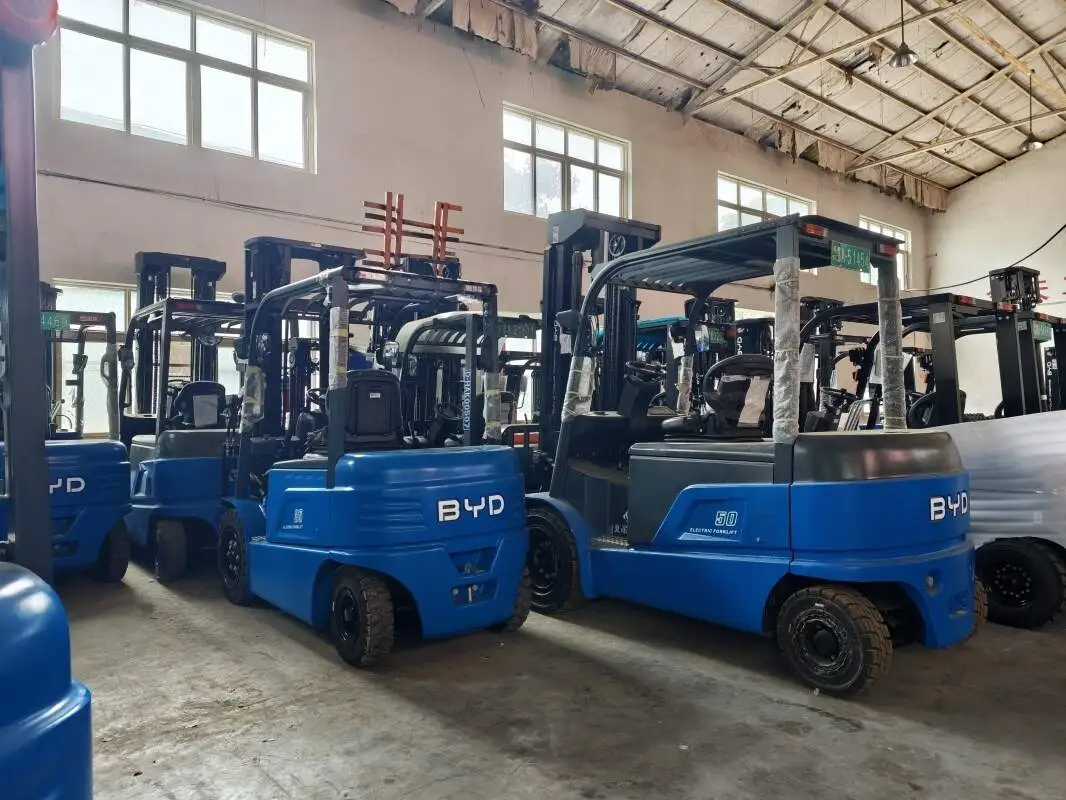
Construction sites demand efficient material handling to keep projects on track, and electric forklifts have become integral tools for their eco-friendly operation and maneuverability. Proper deployment of these machines is critical to maximize productivity, minimize risks, and ensure long-term equipment reliability. Below is a comprehensive deployment guidance tailored to construction site environments.
Before introducing electric forklifts to a construction site, a thorough pre-deployment assessment is essential. Start by mapping out the entire work area, identifying terrain variations such as uneven ground, slopes, or muddy patches that may affect forklift stability. Evaluate the volume and type of materials to be handled—from heavy steel beams to lightweight building supplies—to determine the appropriate load capacity for the forklifts. Additionally, assess overhead obstacles like cranes or power lines, as these pose collision risks. This assessment helps select suitable forklift models and plan operational zones to avoid potential hazards.
Safety is non-negotiable when deploying forklifts at construction sites. All operators must undergo certified training that covers not only basic forklift operation but also site-specific hazards, such as navigating around construction debris or working alongside heavy machinery. Mandate the use of personal protective equipment (PPE) including hard hats, steel-toe boots, and high-visibility vests for both operators and nearby workers. Establish clear communication protocols, such as hand signals or two-way radios, to ensure seamless coordination between forklift teams and other on-site personnel. Regular safety briefings should be conducted to reinforce best practices and address any emerging risks.
Strategic placement of forklift staging areas is key to optimizing workflow. Position these zones near material storage areas and construction zones to reduce travel time and battery consumption. Ensure that access routes between staging areas and work zones are wide enough to accommodate forklifts, with clear signage marking one-way paths or restricted areas. For outdoor sites, install covered charging stations for electric forklifts to protect batteries from rain or extreme temperatures. Additionally, designate specific parking spots for forklifts when not in use, away from high-traffic areas to prevent accidental collisions.
To keep electric forklifts operating efficiently, implement a routine maintenance schedule. Daily pre-operation checks should include inspecting battery levels, brake functionality, tire pressure, and hydraulic systems. Assign trained technicians to conduct weekly or monthly inspections, addressing minor issues before they escalate into costly repairs. Monitor battery performance closely, as construction site conditions may accelerate battery wear—establish a charging routine that ensures forklifts are fully powered during peak operational hours. Keep detailed maintenance records to track equipment health and schedule timely servicing.
After deploying forklifts, conduct regular performance reviews to assess their effectiveness. Gather feedback from operators and site managers to identify bottlenecks in workflow or areas where safety protocols can be improved. Analyze data on forklift usage, such as travel distances, load capacity utilization, and downtime due to maintenance. Use this information to adjust deployment strategies—for example, reallocating forklifts to high-demand zones or updating training programs based on operator feedback. Continuous review ensures that forklift deployment remains aligned with changing site needs and project timelines.
By following this deployment guidance, construction site managers can leverage electric forklifts to enhance operational efficiency while maintaining a safe working environment. Every step, from pre-deployment assessment to post-deployment review, plays a critical role in ensuring that these machines contribute positively to project success without compromising on safety or reliability.