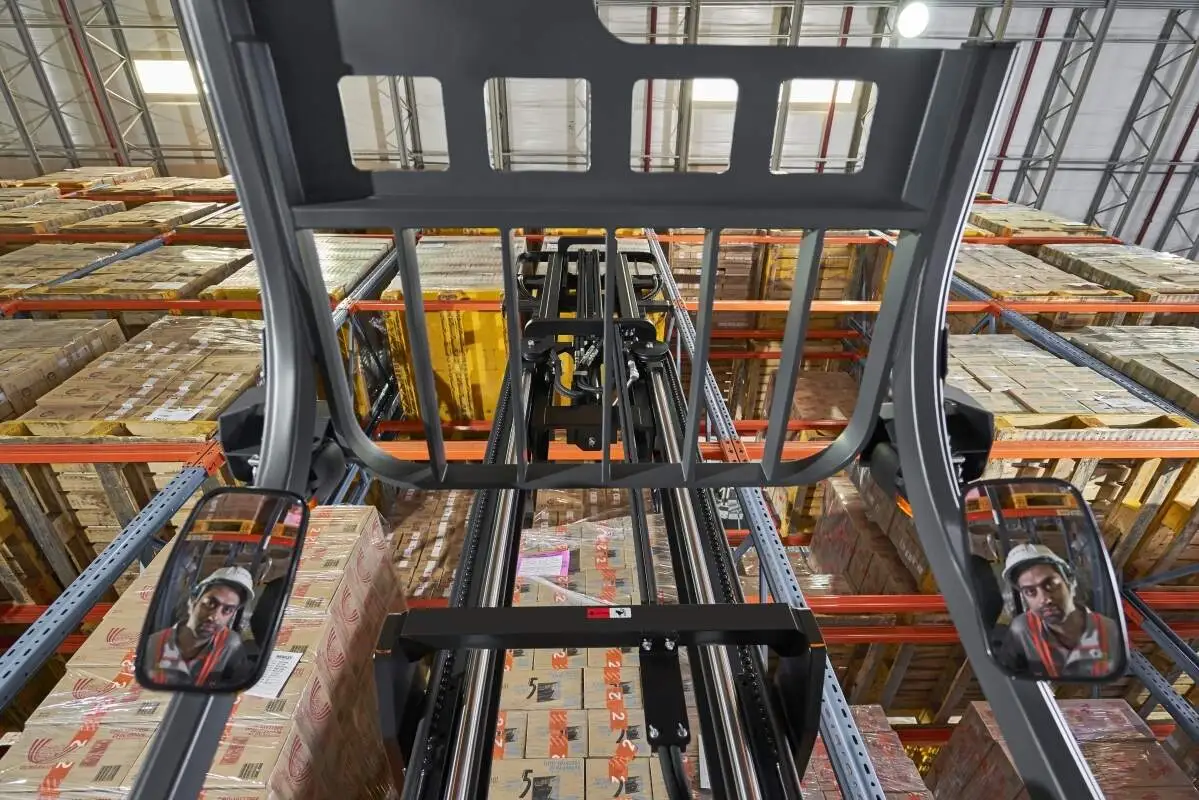
As an electric forklift specialist, understanding how to cut energy consumption for your fleet is both cost-effective and vital for sustainable operations. Amid rising energy costs and growing environmental awareness, targeted strategies can significantly reduce energy use without sacrificing productivity.
Proactive preventive maintenance forms the foundation of energy-efficient electric forklift operations. Start with battery care: regularly clean batteries to prevent corrosion, which hinders power transfer. For applicable battery types, maintain proper electrolyte levels as per guidelines—imbalances reduce charging efficiency and shorten battery lifespan. Inspect tire pressure frequently; underinflated tires increase rolling resistance, forcing the forklift to expend more energy to move. Lubricating moving parts like mast hinges and load rollers minimizes friction, cutting down unnecessary energy waste. A well-maintained fleet operates at peak efficiency, reducing avoidable energy draw.
Operator behavior directly impacts energy consumption. Train your team in smooth driving techniques: avoid sudden acceleration, harsh braking, and sharp turns, all of which cause energy spikes. Encourage operators to turn off forklifts when idling for more than a few minutes, as prolonged idling drains batteries unnecessarily. Ensure loads are balanced and within the forklift’s rated capacity; overloading strains the motor, increasing energy use while raising safety risks. Regular refresher training on energy-efficient practices can yield immediate improvements in fleet energy performance.
Smart charging management is key to maximizing battery life and cutting energy costs. Utilize off-peak charging whenever possible, as electricity rates are often lower during non-business hours, reducing operational expenses and grid strain. Avoid overcharging batteries, which degrades cells and lowers long-term efficiency. For multi-forklift fleets, schedule charging cycles to ensure batteries are fully charged when needed but not left connected longer than required. Perform regular equalizing charges (as recommended for your battery type) to maintain consistent cell voltage, extending battery life and stabilizing energy output.
Efficient fleet scheduling and route planning further reduce energy waste. Match forklifts to tasks based on their capacity and design—using a smaller model for light loads instead of a larger, more energy-intensive one saves significant energy. Optimize warehouse routes to minimize travel distance; organizing storage areas to reduce unnecessary movement means forklifts spend less time operating, thus using less energy. Implementing basic fleet tracking can help identify usage patterns and opportunities for more efficient scheduling.
At Jianshu New Energy, we specialize in electric forklift solutions and offer tailored guidance to help your fleet achieve optimal energy efficiency. Whether you need support with maintenance protocols, operator training, or charging infrastructure design, our experts are ready to assist. For more information, contact us at 17399989919@163.com.