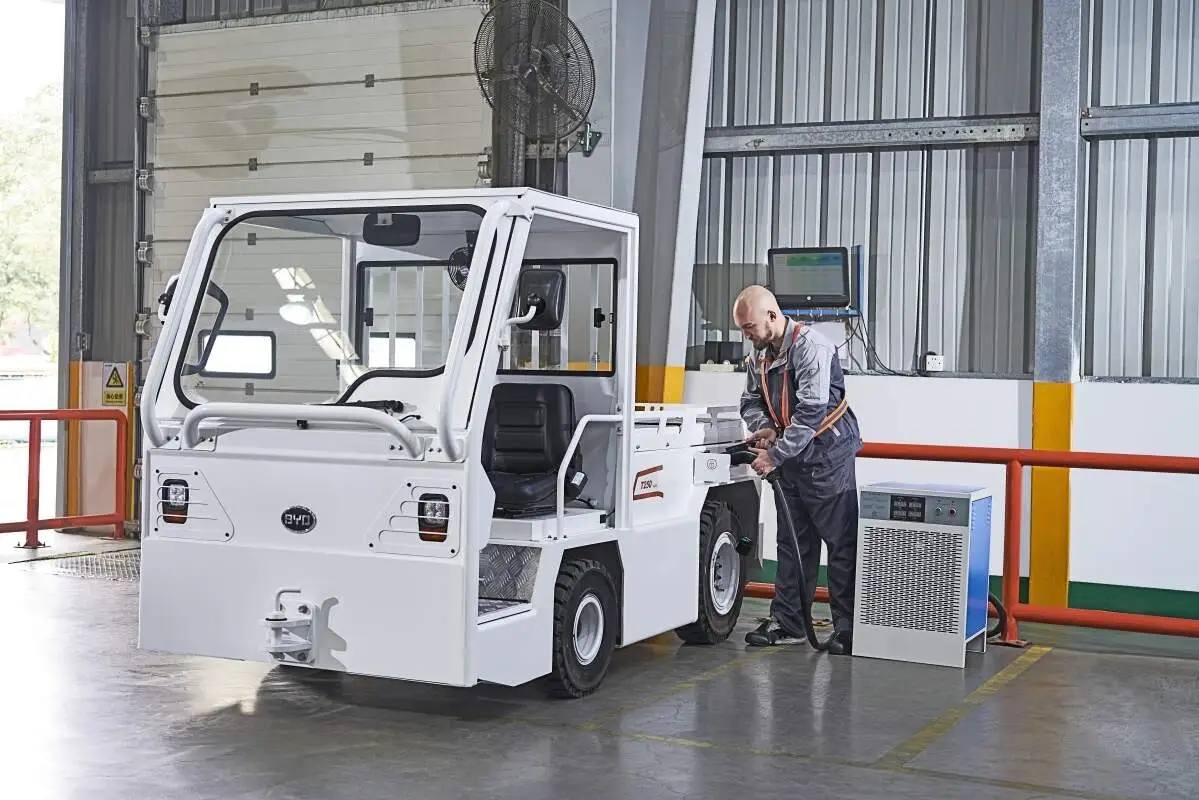
As warehouse operations evolve in 2026, electric forklifts have become a cornerstone of efficient, sustainable material handling. Unlike traditional internal combustion models, they offer zero emissions, lower noise levels, and reduced operational costs, making them ideal for modern warehouse environments. For warehouse operators looking to invest in an electric forklift, navigating the options can be overwhelming. This complete buying guide breaks down key considerations to help you make an informed decision.
Assess Your Warehouse’s Specific Requirements
Before diving into forklift models, start by evaluating your warehouse’s unique needs. Begin with load capacity: calculate the average weight of the pallets or materials you handle daily, and choose a forklift that can comfortably accommodate this load with a small buffer for occasional heavier items. Next, consider your warehouse layout. If you operate in a facility with narrow aisles or tight turning spaces, a compact electric forklift with a tight turning radius will be essential to avoid collisions and maintain efficiency. Additionally, think about the height of your storage racks—forklifts with higher lift capacities are necessary for multi-level storage systems.
Evaluate Battery Types and Performance
Battery technology is a critical factor in electric forklift performance in 2026. Two primary options dominate the market: lead-acid and lithium-ion batteries. Lead-acid batteries are a cost-effective choice for warehouses with consistent, shift-based operations, though they require longer charging times and regular maintenance like water refills. Lithium-ion batteries, on the other hand, offer faster charging, longer lifespans, and no need for routine maintenance, making them ideal for facilities with 24/7 operations or limited charging downtime. Consider your charging infrastructure too—ensure your warehouse has adequate power outlets and charging stations to support your chosen battery type.
Prioritize Maneuverability and Operator Ergonomics
A forklift’s maneuverability directly impacts warehouse productivity. Look for models with responsive steering, adjustable forks, and excellent visibility to help operators navigate tight spaces safely. Ergonomics should not be overlooked either—operators spend hours behind the wheel, so features like padded seats, adjustable armrests, and intuitive control panels can reduce fatigue and minimize the risk of workplace injuries. Some advanced models also include features like camera systems or proximity sensors to enhance visibility and safety during operation.
Calculate Total Cost of Ownership (TCO)
While upfront costs are important, evaluating the total cost of ownership gives a clearer picture of long-term value. Electric forklifts generally have lower fuel costs compared to gas or diesel models, but maintenance costs vary by battery type. Lithium-ion batteries may have a higher initial cost but require less maintenance over time, offsetting the upfront investment. Factor in costs like battery replacement, routine servicing, and insurance when calculating TCO. Also, consider energy efficiency—models with regenerative braking systems can reduce energy consumption, further lowering operational costs.
Ensure Compliance with Safety and Regulatory Standards
Safety is non-negotiable in warehouse operations. When selecting an electric forklift, verify that it meets all relevant local and international safety standards. Look for features like automatic braking, stability control, and anti-tip systems to protect operators and reduce the risk of accidents. Additionally, ensure that your operators receive proper training to use the forklift safely, as improper operation can lead to injuries and equipment damage.
If you’re considering a reliable electric forklift solution tailored to modern warehouse needs, we recommend exploring BYD forklifts. For more detailed information or to discuss your specific operational requirements, feel free to reach out to us at 17399989919@163.com.