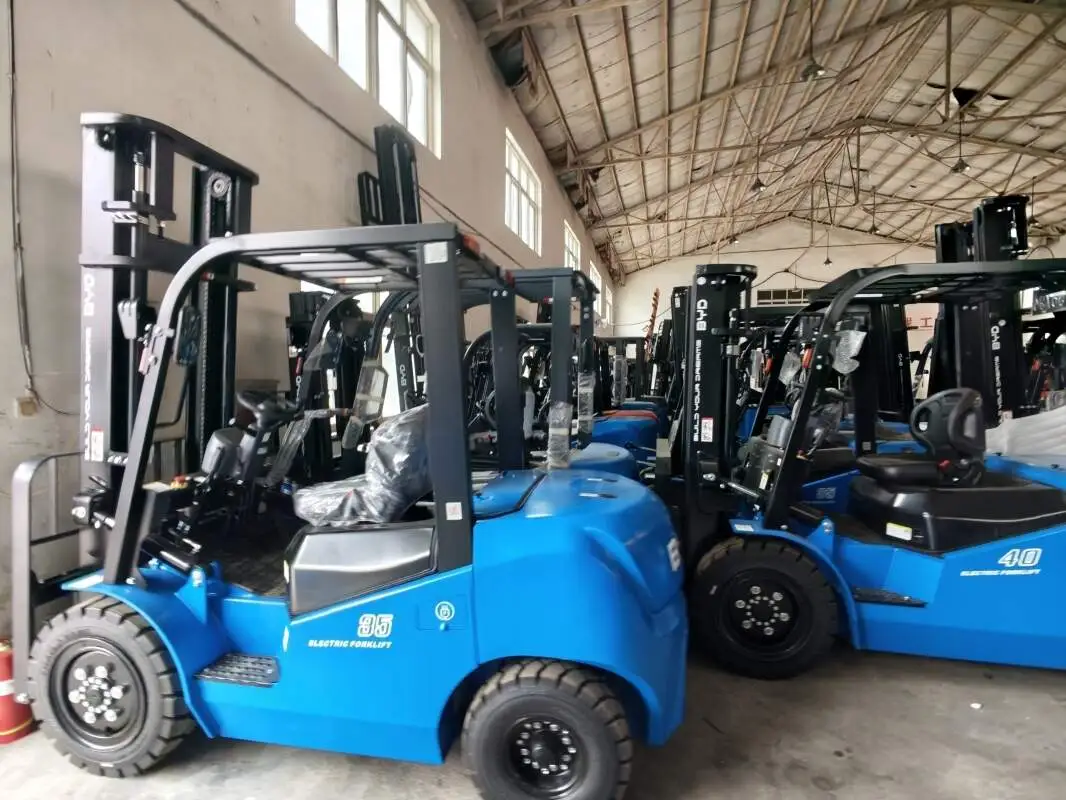
Operating electric forklifts in Australia demands strict adherence to national and state-specific operational protocols and compliance regulations, designed to safeguard workplace safety, protect personnel, and prevent legal repercussions. As businesses increasingly shift to electric forklifts for their eco-friendly and efficient attributes, mastering these requirements is indispensable for fleet managers, operators, and employers.
Before each operational shift, operators are mandated to conduct a comprehensive pre-use inspection of the electric forklift. This includes verifying battery charge levels and integrity, testing brake responsiveness, checking steering controls for smooth operation, ensuring lights and horn are functional, and inspecting load-bearing components for signs of wear or damage. Any detected defects must be reported immediately, and the forklift must be taken out of service until necessary repairs are completed by qualified personnel.
During operation, operators must follow core safety practices: maintain unobstructed visibility at all times, adhere to designated speed limits tailored to workplace conditions (typically slower in pedestrian-heavy areas), use horn signals when navigating blind spots, intersections, or approaching personnel. When handling loads, ensure the load is properly balanced, securely fastened, and does not exceed the forklift’s rated capacity. Operators must never leave the forklift unattended with the power activated or forks raised, and should always park in designated areas with the parking brake engaged.
In terms of compliance, electric forklifts in Australia are governed by national standards such as AS 2359.1:2011, which sets out safety specifications for forklift trucks. Additionally, state-based regulations may impose specific requirements for registration, periodic safety inspections, and certification. Employers must ensure all electric forklifts are registered as per local rules, and undergo regular safety audits to confirm adherence to standards.
A critical compliance element is operator training and certification. All electric forklift operators must hold a valid National High Risk Work License (HRWL) for forklift operation, obtained by completing a nationally recognized training course that covers theoretical knowledge and practical skills. Employers are also responsible for delivering site-specific training, familiarizing operators with workplace layouts, hazard zones, emergency evacuation routes, and site-specific protocols.
Employers must further establish a safe work environment by installing clear signage marking pedestrian zones, forklift travel routes, and hazard areas such as uneven surfaces or low ceilings. Regular risk assessments should be conducted to identify potential hazards, with control measures implemented to mitigate risks—for example, installing barriers between pedestrian and forklift zones or adjusting work schedules to reduce overlapping traffic.
Regular maintenance is vital to sustain compliance and safety. This includes scheduled battery maintenance (such as cleaning terminals and checking electrolyte levels for applicable models), brake inspections, and component replacements in line with manufacturer guidelines. Employers must maintain detailed records of all pre-use inspections, maintenance activities, operator training sessions, and compliance audits, as these documents may be requested during regulatory checks.
As a trusted provider of electric forklift solutions, Jianshu New Energy specializes in supporting Australian businesses to meet these operational and compliance requirements. For further guidance or inquiries, feel free to contact us at 17399989919@163.com.