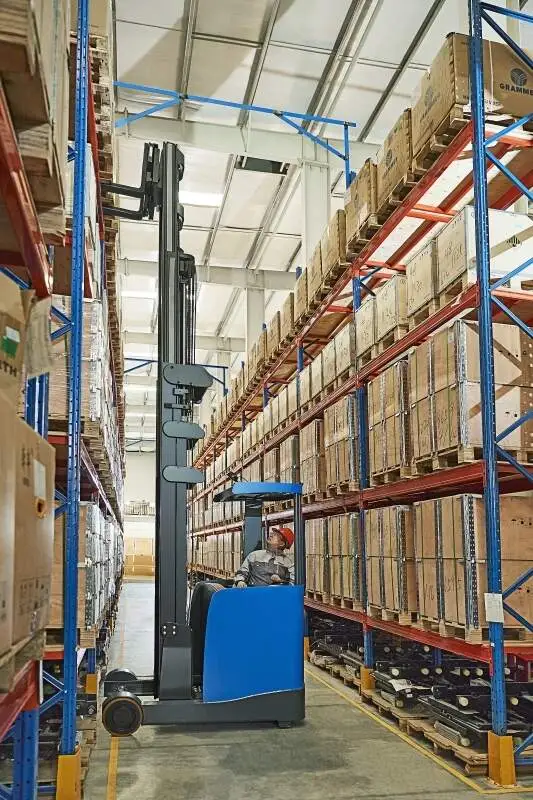
Warehouses are dynamic environments where forklifts play a critical role in material handling, but their operation carries inherent risks. To mitigate these hazards and maintain a safe workplace, a set of essential forklift caution signs is indispensable. These visual cues communicate vital safety instructions quickly and clearly, helping both forklift operators and pedestrian workers stay alert and avoid accidents.
Speed limit signs are among the most fundamental forklift caution signs. Warehouses often have narrow aisles, crowded work zones, and frequent pedestrian movement, so enforcing a reduced speed limit is key to preventing collisions. These signs typically display a maximum speed in miles per hour or kilometers per hour, tailored to specific areas like high-traffic zones or near storage racks. By adhering to these limits, operators gain more time to react to unexpected obstacles, reducing the risk of impact injuries or property damage.
Pedestrian priority signs are another crucial addition to warehouse safety protocols. In areas where forklifts and foot traffic intersect, such as loading docks, break rooms, or main walkways, these signs remind forklift operators to yield to pedestrians. They often feature a pedestrian symbol paired with words like “YIELD” or “PEDESTRIAN FIRST,” making the message impossible to miss. For pedestrians, these signs also serve as a reminder to stay vigilant and watch for approaching forklifts, fostering a culture of mutual respect and safety.
Blind spot warning signs address one of the biggest risks in forklift operation: limited visibility. These signs are placed in locations where visibility is restricted, such as around cornered aisles, behind large storage units, or near stacked pallets. They alert both operators and pedestrians to the presence of blind zones, prompting operators to slow down and sound their horns, and pedestrians to avoid entering these areas without confirming clear visibility first. This simple cue can prevent costly collisions and serious injuries.
Load capacity warning signs are essential to prevent forklift tip-overs, one of the most dangerous forklift-related accidents. These signs display the maximum weight a forklift can safely carry in a specific area or for a particular task. Often placed near loading bays or heavy material storage zones, they remind operators to verify load weights and avoid exceeding recommended limits. Proper load management not only prevents accidents but also extends the lifespan of forklift equipment, reducing long-term operational costs.
Finally, no passenger signs reinforce a critical safety rule: forklifts are designed for material handling, not transporting workers. These signs clearly state that unauthorized personnel are not allowed to ride on forklifts, except in designated seating areas if equipped. Placed on forklifts themselves and in warehouse common areas, they emphasize that riding on forks or other non-seating parts is strictly prohibited, preventing falls and other injuries associated with improper passenger transport.
In conclusion, these essential forklift caution signs are integral components of a comprehensive warehouse safety strategy. By clearly communicating critical safety rules, they reduce accident risks, protect workers from harm, and minimize property damage. Warehouse managers should regularly inspect these signs to ensure they are visible, legible, and correctly placed, while training programs should emphasize understanding and following these signs. When everyone in the warehouse respects these cues, the workplace becomes a safer, more efficient environment for all.