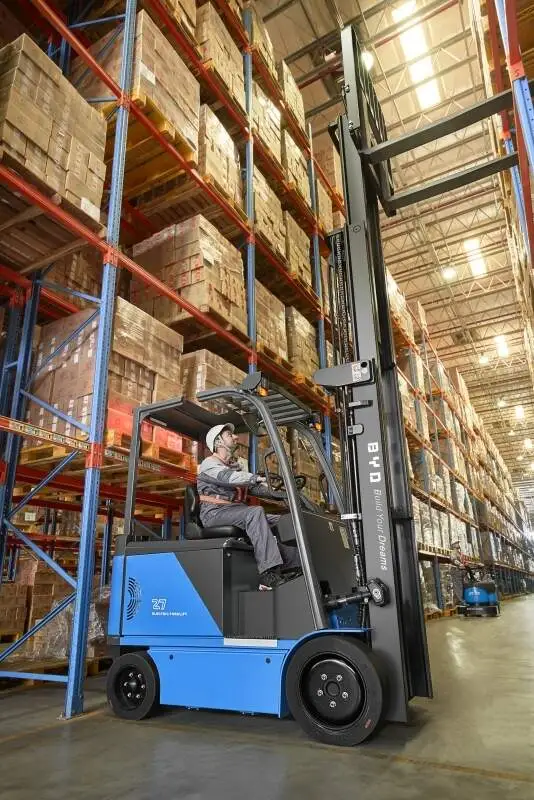
forklift man cages, also known as work platforms, are widely used in warehouses, construction sites and industrial facilities to lift workers to elevated areas for tasks like maintenance, inventory management and equipment installation. While these devices enhance operational efficiency, they pose significant safety risks if not used correctly. Adhering to strict safety protocols is critical to prevent falls, equipment failures and workplace injuries.
Before each use, a comprehensive inspection of the forklift man cage and the host forklift is mandatory. Inspect the cage for structural integrity, checking for cracks, bent components or loose bolts that could compromise stability. Verify that the safety gates, railings and harness attachment points are in good working condition. For the forklift, ensure that its lifting mechanism, brakes and tires are functioning properly. Any defects identified during inspection must be addressed before the cage is put into service, as even minor issues can lead to catastrophic incidents at height.
Both the forklift operator and the workers using the man cage require specialized training. Operators must understand how to safely maneuver the forklift with the cage attached, including maintaining a stable position on flat ground and avoiding sudden movements that could cause the cage to tip. Workers in the cage need training on proper fall protection use, emergency procedures and how to communicate effectively with the operator. Regular refresher training sessions should be conducted to reinforce safe practices and ensure compliance with industry standards.
Never exceed the rated load capacity of either the forklift man cage or the host forklift. Overloading can cause the cage to collapse or the forklift to tip, leading to serious injury or death. Additionally, ensure that the workers and any tools or materials in the cage are evenly distributed to maintain balance. When operating on uneven surfaces, extra caution is required; if possible, use stabilizing supports to enhance the forklift’s stability. Always operate the forklift at a slow speed when lifting workers, and avoid driving the forklift while the cage is elevated unless absolutely necessary.
Fall protection is non-negotiable when using forklift man cages. Workers must wear properly fitted full-body harnesses that are securely attached to designated anchor points on the cage. Safety railings and gates should remain closed at all times while the cage is elevated, preventing accidental falls. In some cases, additional measures like netting may be required to protect workers from falling tools or materials. Employers should conduct regular checks to ensure that all fall protection equipment is in compliance with safety regulations.
Before starting any task using a forklift man cage, assess the work environment for potential hazards. Look for overhead obstacles like power lines, pipes or structural beams that could collide with the cage during lifting. Ensure that the ground is free of debris, potholes or slippery surfaces that could affect the forklift’s stability. If working outdoors, consider weather conditions such as wind or rain, which can increase the risk of accidents. Adjust work procedures accordingly to mitigate these hazards, such as postponing tasks during adverse weather.
Establish clear emergency procedures for situations like cage malfunctions, forklift breakdowns or falls. Workers should know how to signal the operator to stop immediately if they notice a hazard. Employers should provide rescue equipment, such as ladders or harness retrieval systems, and train workers on how to use them. Regular emergency drills can help ensure that all personnel react quickly and correctly in a crisis, minimizing the risk of injury.
By prioritizing these essential safety considerations, employers can create a safer work environment for personnel using forklift man cages. Regular inspections, proper training, adherence to load limits, robust fall protection, environmental assessments and well-defined emergency procedures are all key to preventing accidents and ensuring compliance with safety standards. Investing in safety not only protects workers but also improves operational efficiency by reducing downtime caused by injuries or equipment failures.