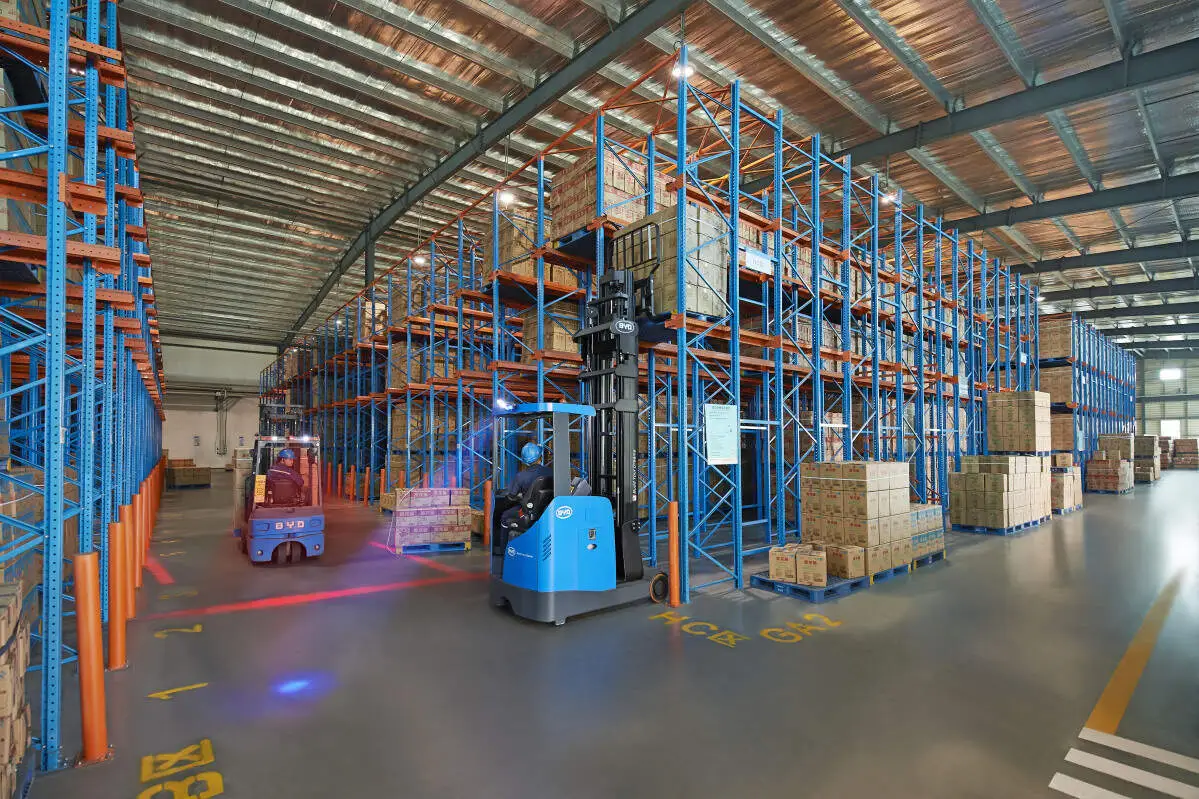
When operating electric forklift trucks, one often overlooked yet critical component for workplace safety is the load backrest. This simple but essential structure plays a pivotal role in preventing loads from falling backward onto the operator or damaging the forklift itself, especially when transporting unstable or bulky items. Mastering safety knowledge related to the load backrest is not only a regulatory requirement but also a key responsibility for every forklift operator and warehouse manager.
Understanding the Core Function of Load Backrest
The primary function of a load backrest is to act as a physical barrier between the forklift operator and the cargo being transported. It is designed to contain loads that might shift, slide, or tip backward during acceleration, deceleration, or turning. Without a properly functioning load backrest, even a small shift in cargo can lead to serious accidents, including operator injuries, product damage, and equipment downtime. It also helps maintain the forklift’s stability by ensuring the load remains within the designated safe parameters, reducing the risk of tip-overs.
Pre-Operation Inspection Checklist
Before starting any shift with an electric forklift, operators must conduct a thorough inspection of the load backrest. Key inspection points include:
- Structural Integrity: Check for any cracks, bends, or signs of deformation in the backrest frame. Even minor damage can compromise its ability to hold loads securely.
- Fasteners: Ensure all bolts, nuts, and pins are tightly secured. Loose components can lead to the backrest shifting or failing during operation.
- Attachment Compatibility: Verify that the load backrest is properly aligned with the forklift’s carriage and forks. Misalignment can cause uneven load distribution and increase accident risks.
- Cleanliness: Remove any debris or obstructions that might interfere with the backrest’s movement or ability to contain loads.
Maintenance Best Practices
Regular maintenance is crucial to keeping the load backrest in optimal condition. Establish a scheduled maintenance plan that includes:
- Periodic Inspections: Conduct detailed inspections at least once a month, or more frequently if the forklift is used in harsh operating environments.
- Repairs and Replacements: Address any identified damage immediately. Do not operate the forklift if the load backrest is damaged; have it repaired or replaced by qualified technicians.
- Lubrication: Keep moving parts of the load backrest lubricated to ensure smooth operation. This reduces wear and tear, extending the component’s lifespan.
Safe Operation Guidelines
Even with a well-maintained load backrest, safe operation practices are essential to maximize its effectiveness:
- Proper Load Placement: Position loads against the load backrest as closely as possible. Avoid overhanging loads that extend beyond the backrest, as these can shift or fall off during transport.
- Speed Control: Maintain a safe speed, especially when turning or navigating uneven surfaces. Sudden movements can cause loads to shift, putting excessive stress on the backrest.
- Avoid Overloading: Never exceed the forklift’s rated load capacity. Overloading not only strains the load backrest but also increases the risk of tip-overs.
- Operator Training: Ensure all operators receive comprehensive training on load backrest safety, including inspection procedures and safe operation techniques.
At Jianshu New Energy, we specialize in BYD electric forklifts, which are equipped with high-quality load backrests designed to meet strict safety standards. Our team is committed to helping businesses maintain a safe and efficient workplace by providing reliable equipment and expert guidance. For more information about electric forklift safety or our product offerings, please contact us at 17399989919@163.com.