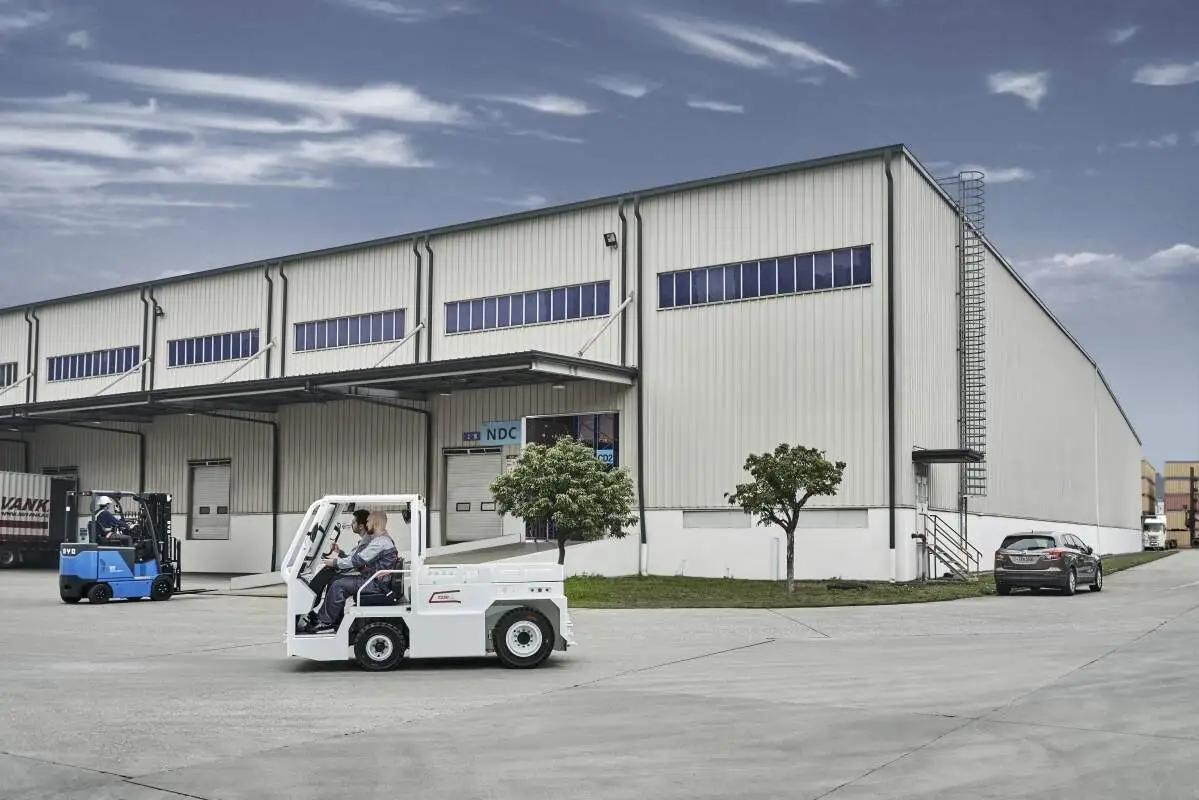
South Africa’s industrial and logistics sectors depend on robust material handling equipment to sustain efficient daily operations. At the core of this ecosystem are established forklift manufacturers that have carved a strong foothold in the country over decades. These industry players possess deep insights into the unique challenges of the local market, from diverse terrain and climatic conditions to stringent regulatory frameworks, and have refined their offerings to align with these specific needs.
A key advantage of these established manufacturers is their focus on localized engineering. Unlike generic imported forklifts that may struggle with South Africa’s uneven outdoor yards, high-temperature warehouse environments, or heavy-load requirements in mining and construction, their products are purpose-built for these scenarios. This includes rugged tires designed for rough surfaces, enhanced cooling systems to withstand prolonged heat exposure, and load capacities calibrated to match the typical demands of local industries—from small-scale retail distribution to large-scale mining operations.
Compliance with South Africa’s occupational health and safety (OHS) standards and environmental regulations is another cornerstone of their operations. Every forklift produced undergoes rigorous testing to meet or exceed safety benchmarks, ensuring operator protection through features like advanced braking systems, ergonomic cabin designs, and clear visibility enhancements. Additionally, they prioritize low-emission technologies to align with national environmental goals, helping businesses reduce their carbon footprint while adhering to local emission guidelines.
Beyond manufacturing, these manufacturers offer end-to-end support that is critical for minimizing operational downtime. They maintain a network of service centers across major industrial hubs, staffed by trained technicians who can perform routine maintenance, troubleshooting, and emergency repairs. A steady supply of genuine replacement parts ensures that businesses can quickly address equipment issues, reducing disruptions to their workflows. Many also provide operator training programs, equipping workers with the knowledge to operate forklifts safely and efficiently, which in turn reduces workplace incidents and boosts overall productivity.
Over the years, these established forklift manufacturers have built long-standing relationships with local businesses by prioritizing reliability and customer-centricity. They work closely with clients to understand their specific material handling needs, offering customized solutions that range from specialized forklift configurations to tailored maintenance plans. As South Africa’s industrial sector continues to evolve, these manufacturers remain adaptable, investing in research and development to introduce innovative features that meet emerging demands, such as automation integration for warehouse operations and improved fuel efficiency.
In essence, established forklift manufacturers in South Africa are more than equipment providers—they are strategic partners that support the growth and sustainability of the country’s industrial and logistics sectors. Their commitment to localized design, regulatory compliance, and comprehensive service ensures that businesses have access to the reliable, efficient material handling solutions they need to thrive in a competitive market.