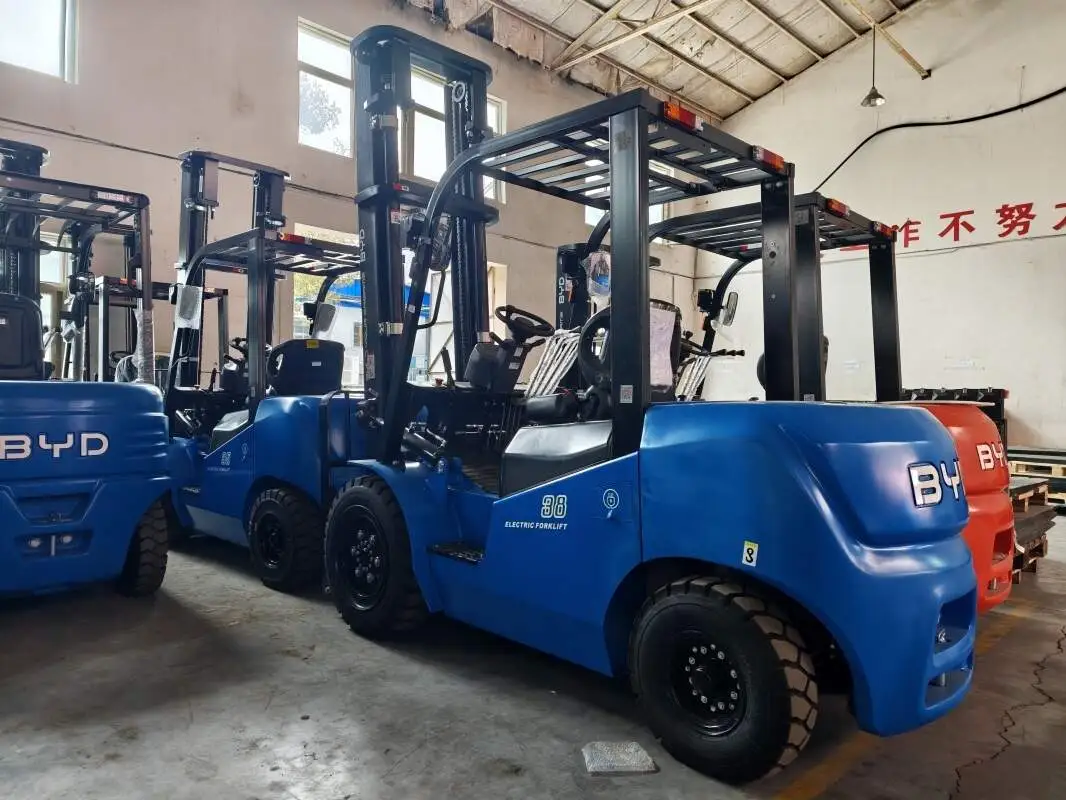
As industries shift toward sustainable and efficient material handling solutions, electric forklifts have emerged as a popular alternative to their internal combustion counterparts. Before investing in one, taking the time to evaluate key factors ensures you select a model that aligns with your operational needs and budget.
First, define your core operational requirements by assessing the load capacity you need. Electric forklifts come in a range of capacities, from compact models suited for light-duty warehouse tasks to heavy-duty units designed for lifting large pallets or industrial materials. Consider the average weight of loads you’ll handle daily, as well as peak load demands. Additionally, think about the height you need to lift loads—forklifts with higher mast heights are essential for high-rack storage systems, while shorter masts work well for ground-level or low-level stacking.
Battery technology is a critical consideration when choosing an electric forklift. Lead-acid batteries are a traditional option, offering a lower upfront cost but requiring longer charging times and regular maintenance like water refills. Lithium-ion batteries, on the other hand, provide faster charging, longer lifespans, and consistent performance throughout the charge cycle, though they come with a higher initial investment. Evaluate your shift patterns: if you operate multiple shifts, a forklift with quick-charging capabilities or a battery swap system may be necessary to minimize downtime. Also, consider the available charging infrastructure in your facility—ensuring you have adequate power outlets and charging stations is essential for uninterrupted operation.
The environment where the forklift will be used plays a major role in your decision-making. For indoor spaces like warehouses or distribution centers, electric forklifts are ideal due to their zero exhaust emissions, which helps maintain air quality and comply with indoor air regulations. However, ensure the space has proper ventilation, especially if using lead-acid batteries that emit small amounts of hydrogen gas during charging. For outdoor use, look for models with enhanced weatherproofing and robust tires to handle uneven terrain, rain, or dust. Some electric forklifts are designed specifically for outdoor applications, offering better traction and durability in harsh conditions.
While electric forklifts generally have fewer moving parts than internal combustion models, they still require regular maintenance to ensure longevity. Battery maintenance is a key aspect—for lead-acid batteries, this includes checking electrolyte levels, cleaning terminals, and following proper charging practices. Lithium-ion batteries require less routine maintenance but still benefit from periodic inspections. Also, consider the total cost of ownership (TCO) rather than just the upfront purchase price. Electric forklifts typically have lower fuel and maintenance costs over time, offsetting higher initial costs for some models. Calculate factors like electricity costs, replacement battery expenses, and service fees to get a clear picture of long-term expenses.
Before making a purchase, it’s advisable to test-drive different models to assess their maneuverability, operator comfort, and ease of use. Operator training is also important to ensure safe and efficient operation, reducing the risk of accidents and equipment damage. If you’re looking for reliable electric forklift solutions, you can reach out to our team at 17399989919@163.com for personalized advice tailored to your specific needs. We offer a range of electric forklifts designed to meet various operational demands, with a focus on durability, efficiency, and sustainability.
Investing in an electric forklift is a significant decision that can boost your operational efficiency and reduce your environmental footprint. By carefully evaluating load capacity, battery type, operating environment, maintenance needs, and total cost of ownership, you can make an informed choice that delivers long-term value for your business.