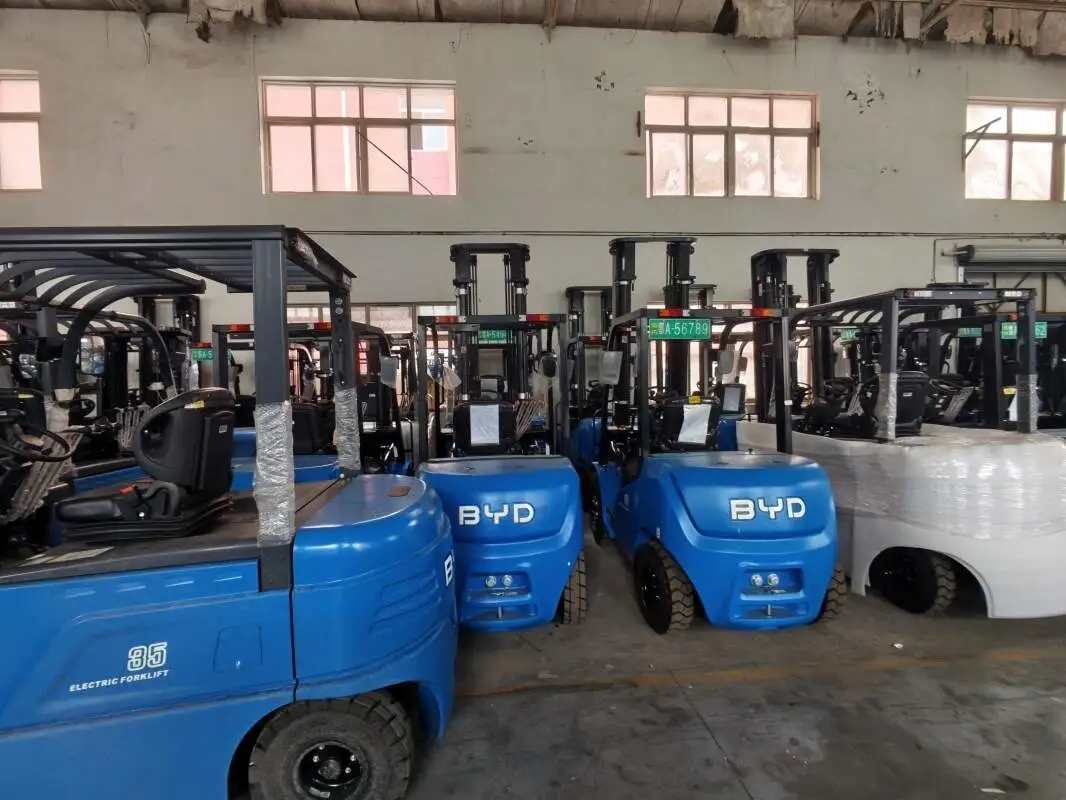
Extra long forklift forks are specialized attachments designed to meet the unique needs of handling oversized, elongated, or heavy loads that standard forks cannot accommodate. Unlike regular forks, their extended length provides enhanced reach and stability for specific tasks, making them indispensable in various industrial settings. Understanding their appropriate application scenarios and adhering to strict safety protocols is essential to maximize efficiency while minimizing operational risks.
One primary application scenario for extra long forklift forks is heavy and oversized load handling. In industries such as construction, manufacturing, and logistics, these forks are often used to move heavy, bulky items like large machinery components, prefabricated building sections, or stacked pallets of heavy goods. The extended length distributes the load’s weight more evenly across the forklift’s frame, reducing the risk of tip-overs when lifting substantial cargo.
Another key use case is long material transport. For industries dealing with elongated materials such as steel pipes, wooden beams, or aluminum extrusions, extra long forks are a practical solution. They allow operators to lift and transport these items without the risk of the material slipping off or causing imbalance, as the forks can support the entire length of the load. This eliminates the need for additional securing equipment in many cases, streamlining the transport process.
Extra long forks also play a vital role in container and intermodal handling. In port and warehouse environments focused on intermodal logistics, these forks facilitate the loading and unloading of cargo from shipping containers. Their extended reach enables operators to access items placed deep within containers without repositioning the forklift repeatedly, saving time and improving operational efficiency.
Outdoor heavy equipment maintenance is another scenario where extra long forks are invaluable. In mining, agriculture, and construction sites, they are used to lift and position large parts of heavy equipment during maintenance or repair work. They provide the necessary reach to access components that are otherwise difficult to reach with standard forks, allowing technicians to perform tasks safely and effectively.
When using extra long forklift forks, critical safety considerations cannot be overlooked. First, operators must calculate the forklift’s adjusted load capacity. The extended length alters the forklift’s center of gravity, reducing the maximum safe load it can handle. Failing to account for this can lead to tip-overs or structural damage to the forklift.
Regular inspection and maintenance are also essential. Extra long forks are subjected to greater stress than standard forks, so frequent checks for signs of bending, cracking, or wear are necessary before each use. Any damaged forks must be removed from service immediately to prevent accidents.
Proper operator training is non-negotiable. Operators need to understand how the extended length affects the forklift’s handling, including reduced maneuverability and altered balance. Training should cover safe lifting techniques, load securing, and emergency procedures to ensure operators can respond effectively to potential hazards.
Operators must also control speed and maneuverability. Extra long forks make the forklift less maneuverable, especially in tight spaces. Reducing speed significantly when turning, navigating narrow aisles, or handling loads is crucial, as sudden movements can cause the load to shift or the forklift to tip over.
Finally, assessing ground conditions is vital. The stability of the forklift depends heavily on the ground surface. Extra long forks require a flat, stable surface to operate safely. Operators should avoid uneven terrain, wet or slippery floors, and soft ground that could compromise the forklift’s balance.
By understanding these application scenarios and following critical safety considerations, businesses can leverage extra long forklift forks to enhance operational efficiency while maintaining a safe work environment.