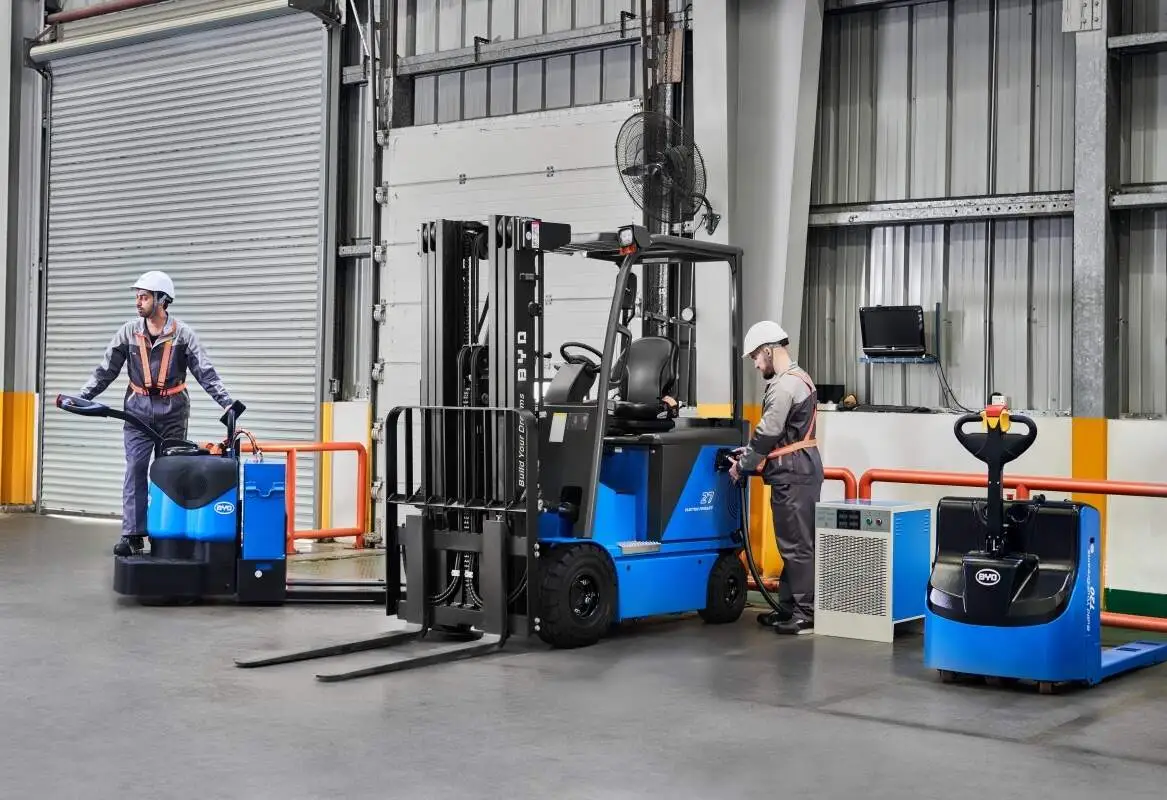
Extra long forklift forks are engineered to address the unique material handling needs of industries requiring transport of elongated loads, such as lumber, steel piping, or large structural components. While these attachments expand a forklift’s functional range, their extended length introduces distinct challenges related to load capacity and operational safety that demand strict adherence to established guidelines.
A core consideration when using extra long forks is understanding adjusted load-capacity limits. Unlike standard forks, longer extensions shift a forklift’s center of gravity forward, significantly reducing the maximum safe load the equipment can support. Manufacturers provide detailed specifications outlining reduced load ratings corresponding to each fork length, and operators must never exceed these values. Overloading not only risks permanent damage to the forklift’s carriage, mast, or hydraulic systems but also drastically increases the likelihood of tip-overs, which can lead to serious injuries or property damage. Additionally, load placement is critical: loads must be centered as evenly as possible on the forks to maintain stability, as off-center positioning can further compromise balance even within stated capacity limits.
Operational safety best practices begin with specialized operator training. All personnel using forklifts fitted with extra long forks should complete targeted training that covers the unique handling characteristics of these attachments. This includes learning to adjust travel speeds, navigate narrow spaces with an extended turning radius, and anticipate how elongated loads may shift during movement. Before each use, operators must conduct a pre-operation inspection of the forks, checking for signs of wear, bending, or structural cracks that could weaken the attachment. Even minor damage can lead to failure under load, so any issues must be addressed before operation commences.
During operation, mindful driving techniques are essential. Operators should reduce travel speed, especially when turning or traversing uneven surfaces, as longer forks increase the forklift’s susceptibility to swaying or tipping. Sudden stops, starts, or sharp turns should be avoided, as these movements can shift the load and disrupt balance. In outdoor environments, wind can also affect the stability of lightweight elongated loads, so operators must adjust their approach to account for these conditions.
Regular maintenance is another pillar of safe operation. Extra long forks endure greater structural stress than standard forks, so scheduled inspections by qualified technicians are necessary to ensure continued integrity. This includes checking fork thickness, weld quality, and the condition of the hooks that connect the forks to the forklift carriage. Adhering to a consistent maintenance schedule helps identify potential issues early, preventing catastrophic failures during operation.
By prioritizing compliance with load-capacity limits and following these operational safety best practices, businesses can leverage the benefits of extra long forklift forks while minimizing risks. Proper training, thorough inspections, and careful operation ensure that material handling tasks are performed safely and efficiently, protecting both personnel and valuable equipment.