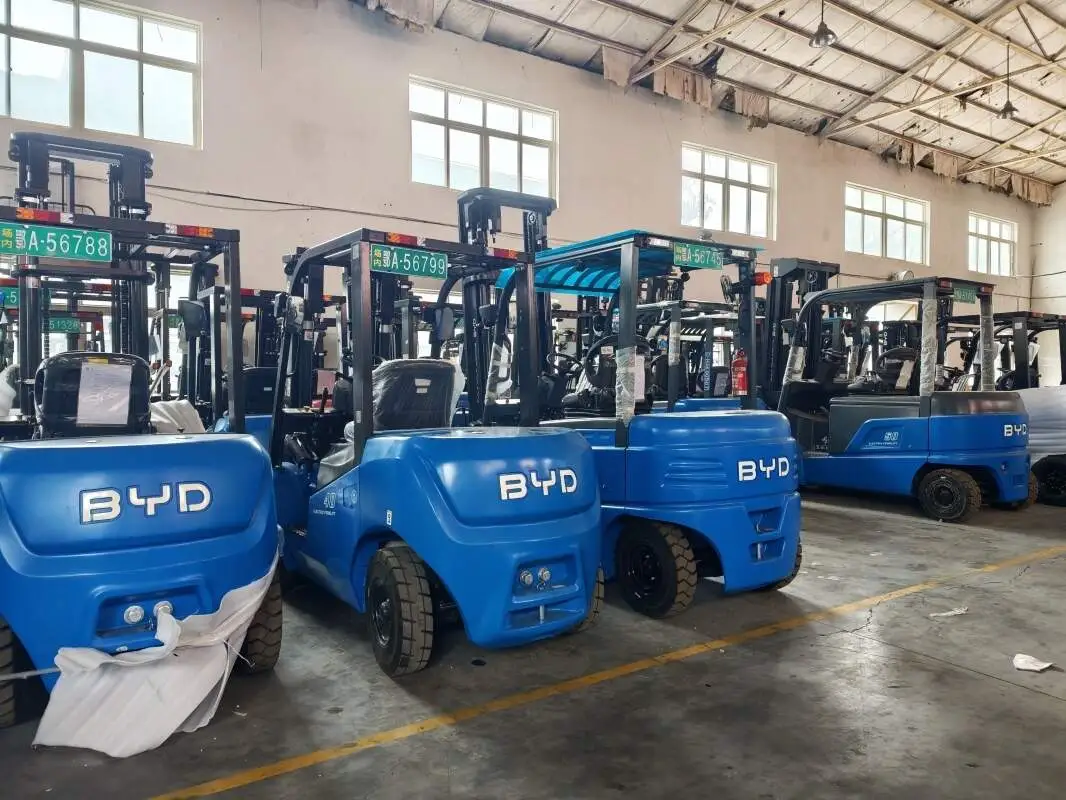
When businesses consider procuring an electric forklift, the initial sticker price often takes center stage. However, the overall purchase cost extends far beyond this upfront figure, encompassing a range of expenses that accumulate throughout the equipment’s lifecycle. Understanding these factors is critical for making cost-effective decisions that align with long-term operational needs.
First, the initial purchase price sets the baseline, but it varies significantly based on several specifications. electric forklifts come in different load capacities, lift heights, and battery types—each influencing the cost. For instance, models with higher load capacities or extended lift heights require more robust components, driving up the upfront cost. Battery options, such as lead-acid versus lithium-ion, also create price disparities; while lithium-ion batteries have a higher initial cost, they offer longer lifespans and faster charging times that can offset expenses over time. Additional features like side shifters, fork positioners, or advanced safety systems can further increase the initial investment.
Next, operational costs form a substantial portion of the overall purchase cost. Electric forklifts rely on electricity, so energy consumption rates and the cost of charging infrastructure must be factored in. Businesses may need to invest in charging stations, which vary in cost depending on charging speed and capacity. Battery maintenance, including regular inspections, cleaning, and eventual replacement, also adds to operational expenses. Unlike fuel-powered forklifts, electric models avoid fuel costs, but the efficiency of the battery and charging practices directly impact long-term operational spending.
Maintenance costs are another key consideration. Electric forklifts have fewer moving parts than their diesel or gasoline counterparts, reducing some maintenance needs, but they still require regular upkeep. Routine tasks include checking hydraulic systems, inspecting electrical components, and servicing motors to ensure optimal performance. Neglecting maintenance can lead to unexpected breakdowns, resulting in costly repairs and downtime that disrupt daily operations. Additionally, businesses may need to budget for professional servicing or training in-house maintenance teams to handle specialized electric forklift components.
Compliance and certification costs are often overlooked but essential. Depending on regional regulations, electric forklifts may need to meet specific safety and emissions standards, requiring certifications that come with associated fees. Operators must also undergo proper training to handle electric forklifts safely, which involves training materials, instructor fees, and certification exams. Failing to adhere to compliance requirements can result in fines and legal liabilities, adding unplanned costs to the overall purchase.
Finally, residual value and lifecycle length play a role in calculating the overall cost. Electric forklifts with longer lifespans and strong residual value in the used market can lower the effective cost over time. Factors like build quality, battery condition, and overall equipment maintenance influence how much the forklift can be resold for at the end of its useful life. Technological advancements may also impact residual value, as newer models with improved efficiency could make older units less desirable, leading to faster depreciation.
In conclusion, evaluating the overall purchase cost of an electric forklift requires looking beyond the initial price tag. By considering initial specifications, operational expenses, maintenance needs, compliance requirements, and residual value, businesses can develop a comprehensive understanding of the true cost of ownership. This holistic approach ensures that procurement decisions are not only budget-friendly in the short term but also sustainable and cost-effective for years to come.