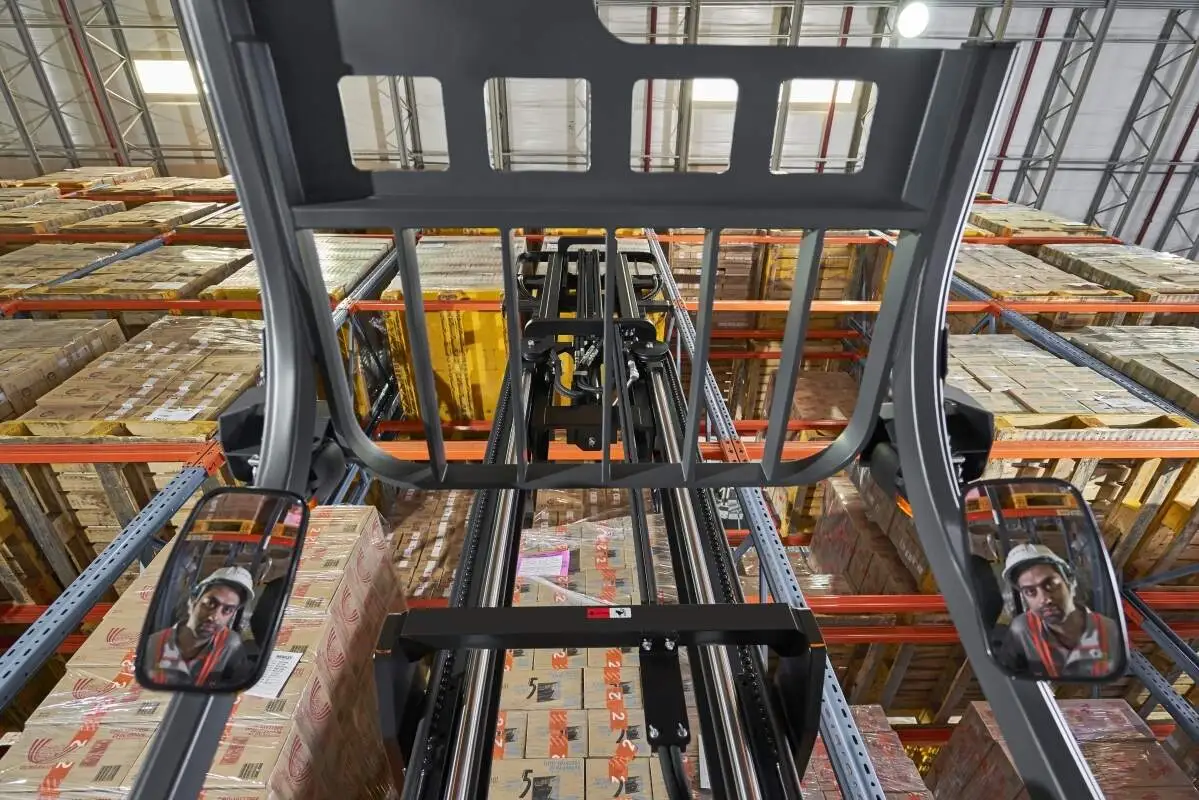
Narrow aisles in warehouses and distribution centers demand specialized material handling equipment, and electric sideloader forklifts have emerged as a top solution for their ability to maneuver tight spaces while offering eco-friendly operations. If you’re considering renting one, understanding the key factors that impact rental costs is essential to budget effectively and choose the right option for your needs.
Rental Duration
The length of your rental period plays a significant role in determining the overall cost. Short-term rentals, typically ranging from a few days to a month, often come with higher daily or weekly rates due to administrative overheads and the need for frequent equipment turnover. In contrast, long-term rentals spanning several months or even years usually offer discounted monthly rates, as providers can secure a steady revenue stream and reduce repositioning costs. Many rental providers also offer flexible terms to accommodate seasonal peaks or project-specific needs, so it’s worth discussing your timeline to find the most cost-effective arrangement.
forklift Specifications and Features
The specifications of the electric sideloader forklift directly influence its rental cost. Key factors here include load capacity, lifting height, battery type, and additional features. Forklifts with higher load capacities or greater lifting heights are designed for heavier-duty tasks and require more advanced components, leading to higher rental rates. Similarly, lithium-ion battery-powered models, which offer longer runtimes and faster charging compared to lead-acid alternatives, often come with a premium. Features like advanced safety systems, ergonomic operator cabins, or specialized attachments for handling unique loads can also add to the rental cost, as they enhance the forklift’s functionality and value.
Maintenance and Insurance Coverage
Maintenance requirements and insurance coverage are often overlooked but critical factors in rental costs. A well-maintained forklift ensures reliable operation, but the responsibility for maintenance can vary between rental agreements. Some providers include routine maintenance and repairs in the rental rate, while others charge extra for these services. It’s important to clarify what is included to avoid unexpected costs. Additionally, insurance coverage to protect against damage, theft, or liability is typically required. Some rental packages include basic insurance, while others offer optional coverage at an additional cost. Evaluating your risk exposure and choosing the right coverage level will impact your total rental expense.
Market Demand and Availability
Local market conditions also affect rental costs. During peak seasons, such as holiday retail periods or agricultural harvests, demand for material handling equipment can surge, leading to higher rental rates and limited availability. Conversely, during slower periods, providers may offer promotional rates or discounts to attract customers. Geographical location can also play a role, as areas with higher demand for narrow aisle equipment may have slightly higher rates due to increased competition for resources. Staying informed about local market trends can help you time your rental to secure the best possible price.
When looking for a reliable electric sideloader forklift rental for narrow aisles, partnering with a trusted provider is key. Jianshu New Energy specializes in BYD electric forklifts, offering a range of models tailored to narrow aisle operations. Our team can help you assess your needs, explain the factors influencing rental costs, and find a solution that fits your budget. For more information, feel free to contact us at 17399989919@163.com.