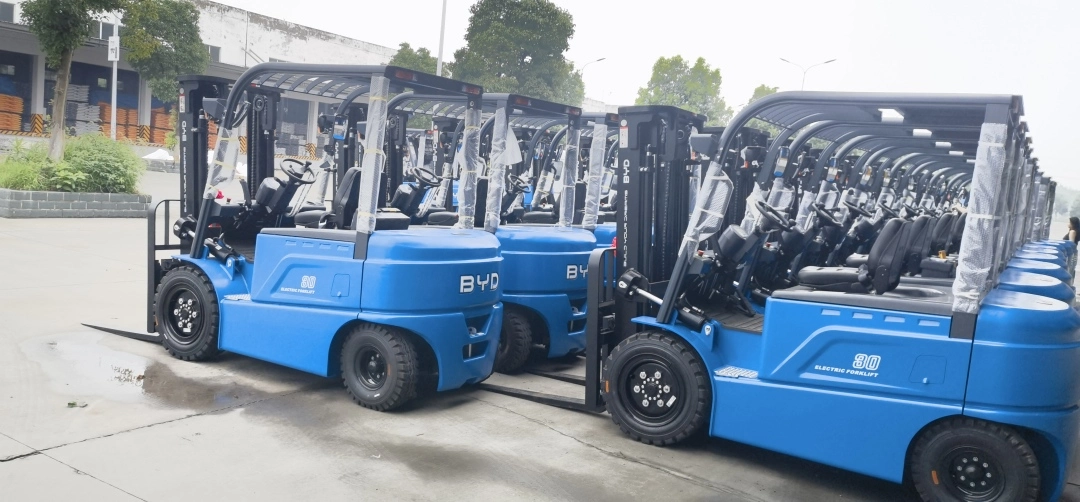
When it comes to efficient material handling in industrial or warehouse settings, choosing the right standard length forklift is a critical decision that directly impacts operational productivity and safety. Before making a purchase, it’s essential to evaluate several core factors to ensure the forklift aligns with your specific operational needs.
First and foremost, assess your load capacity requirements. Standard length forklifts are designed to handle varying weight ranges, so you need to determine the maximum weight of the items you regularly transport. Additionally, consider the dimensions of your typical loads—bulkier items may require wider forks or additional attachments, even within a standard length frame. Overloading a forklift not only risks equipment damage but also poses significant safety hazards for operators and nearby personnel, so matching the load capacity to your daily tasks is non-negotiable.
Next, evaluate your workspace environment. If your operations primarily take place indoors on smooth concrete floors, a standard electric forklift may be ideal for its low noise and zero emissions. For outdoor use on uneven surfaces or gravel, a diesel-powered standard length forklift might offer better traction and durability. You should also account for any slopes or ramps in your workspace; forklifts need sufficient power and stability to navigate inclines without compromising load security.
Aisle width is another vital consideration. Standard length forklifts have a specific turning radius, and if your warehouse or facility has narrow aisles, you need to ensure the forklift can maneuver safely without damaging racks or inventory. Measure the narrowest aisle in your space and cross-reference it with the forklift’s turning specifications to guarantee seamless operation. Ignoring this factor can lead to frequent disruptions and increased risk of collisions.
Lift height requirements also play a key role. Different operations demand different lift heights, depending on the height of your storage racks. A standard length forklift’s maximum lift height should be able to reach the highest storage level you need access to, with some additional clearance to ensure safe load placement and retrieval. Failing to match the lift height to your racking system can limit your storage capacity and reduce operational efficiency.
Finally, consider long-term maintenance and operational costs. Regular maintenance is essential to keep a standard length forklift running smoothly, so look for models with easily accessible components and a straightforward maintenance schedule. Factor in ongoing costs such as fuel or electricity, replacement parts, and operator training. Choosing a forklift that balances upfront cost with long-term affordability will help you maximize your investment over time.
By carefully evaluating these factors, you can select a standard length forklift that meets your operational demands, enhances safety, and improves overall material handling efficiency.