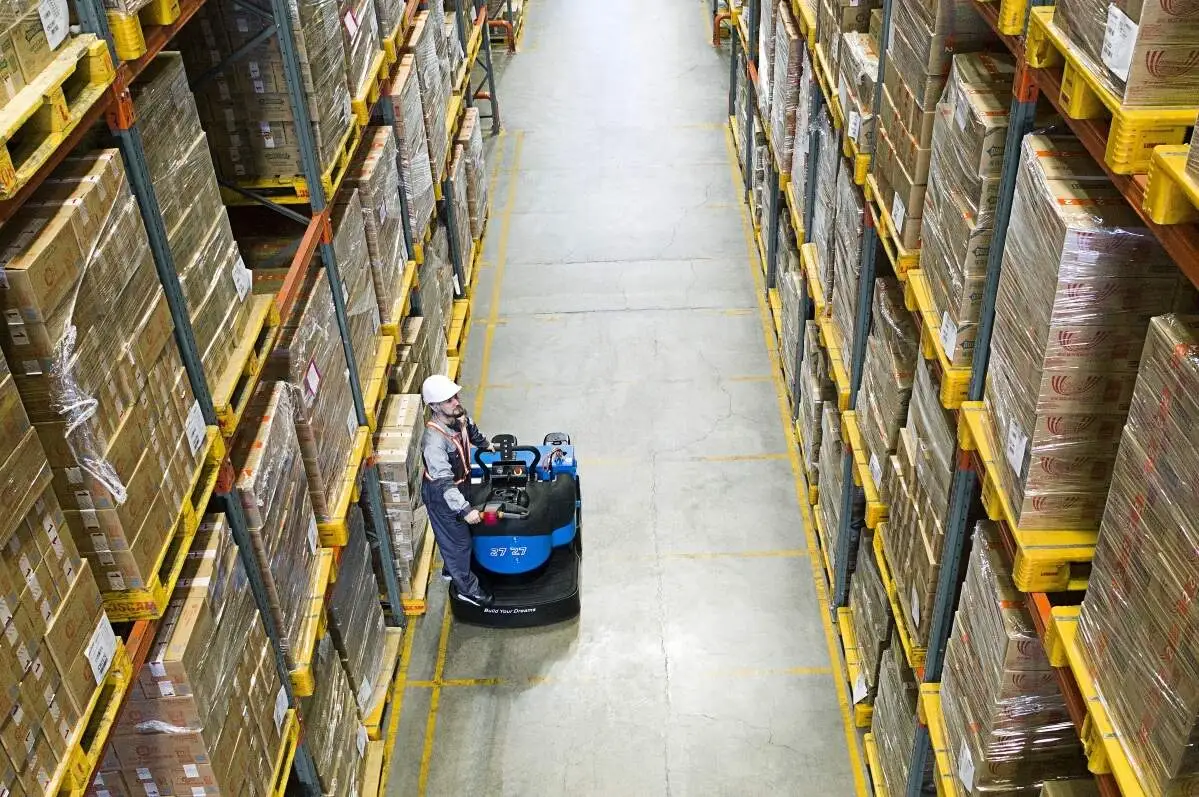
In modern warehouse and distribution operations, forklift fleets are critical assets directly impacting productivity and bottom-line performance. Deploying telematics technology for these fleets unlocks tangible fleet management benefits, transforming how businesses oversee material handling equipment.
A top advantage is enhanced operational safety. Telematics systems monitor real-time forklift activity: speed, sharp turns, sudden stops, and unauthorized use. Instant alerts notify managers of unsafe behaviors, enabling immediate intervention. This proactive monitoring reduces workplace accident risks, protects personnel, and minimizes damage to goods and equipment, while fostering a safety-conscious culture among operators.
Predictive maintenance delivers long-term value. Traditional fixed-interval maintenance often leads to unnecessary service or unexpected breakdowns. Telematics collects data on engine performance, battery health, brake wear, and other critical components. Advanced analytics identify potential issues before they escalate into costly failures, allowing businesses to schedule maintenance only when needed. This cuts unplanned downtime, extends forklift lifespans, and reduces overall maintenance expenses.
Improved fleet efficiency and asset utilization are also key benefits. Telematics provides actionable insights into usage patterns like idle time, task completion rates, and route efficiency. Managers can reallocate underutilized equipment to high-demand areas, optimizing fleet sizing to match operational needs. Route optimization tools guide operators to the most efficient paths between storage locations, reducing travel time and boosting overall material handling throughput.
Cost control is further strengthened by telematics-driven insights. Tracking fuel or battery consumption identifies inefficient operations such as excessive idling, enabling businesses to implement corrective measures that lower energy costs—a major portion of operational expenses for forklift fleets. Real-time location tracking also helps prevent theft or unauthorized use, ensuring assets are utilized only for intended purposes and reducing the risk of costly asset loss.
As businesses continue to prioritize efficiency, safety, and cost-effectiveness, forklift telematics has become an essential tool for modern fleet management. By leveraging real-time data and analytics, organizations can make data-driven decisions that enhance every aspect of their forklift fleet operations, delivering measurable benefits that translate into improved overall business performance.