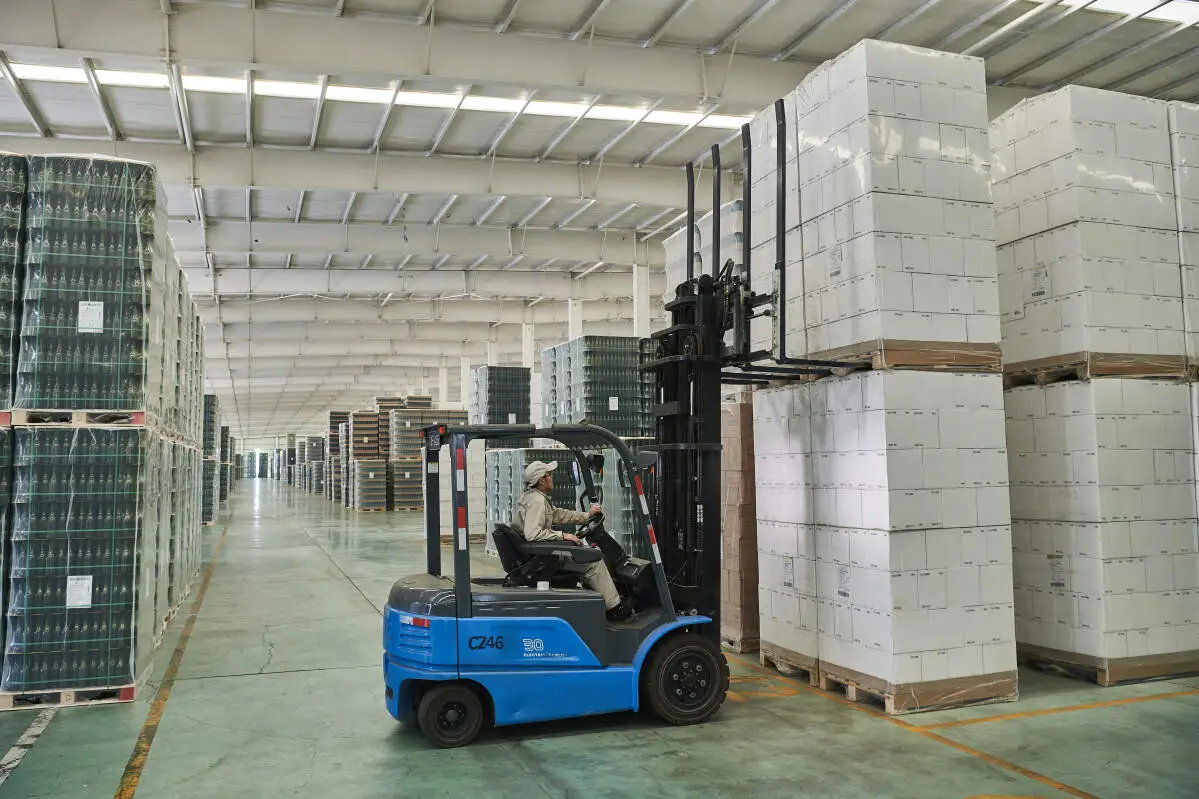
Local warehouse operations face a unique set of challenges tied to fluctuating demand, limited storage space, and the need for efficient material handling equipment. For many small to mid-sized warehouses, investing in a fleet of electric forklifts can be a significant financial burden, especially when demand peaks during holiday seasons or promotional periods and drops off afterward. This is where flexible forklift rental services step in, offering a practical alternative to ownership that aligns with the dynamic needs of local warehouse management.
One of the key benefits of flexible rental services is the ability to choose the right type and number of electric forklifts based on immediate operational requirements. Whether a warehouse needs compact models for narrow aisles, heavy-duty units for stacking pallets at high heights, or a temporary boost in fleet size during peak seasons, rental providers can adjust offerings accordingly. Short-term rental agreements allow warehouses to scale up quickly without tying up capital, while long-term rentals provide stability for ongoing operations with predictable monthly costs.
Beyond just providing equipment, reputable flexible rental services include comprehensive maintenance and support. This eliminates the need for warehouses to maintain an in-house team of technicians or allocate funds for unexpected repairs. Regular inspections, timely servicing, and replacement of worn parts are handled by the rental provider, ensuring that forklifts remain in optimal working condition. This not only reduces downtime but also helps warehouses adhere to safety standards, a critical factor in any material handling environment.
Cost efficiency is another major advantage of flexible forklift rentals for local warehouses. Purchasing electric forklifts requires a large upfront investment, along with ongoing costs for maintenance, insurance, and storage when not in use. Rental services convert these fixed costs into variable expenses, allowing warehouses to allocate funds to other core areas such as inventory management or staff training. Additionally, rental agreements often include access to newer, more energy-efficient models, enabling warehouses to benefit from technological advancements without the hassle of selling and replacing owned equipment.
In conclusion, flexible electric forklift rental services are a strategic solution for local warehouse operations looking to enhance efficiency, reduce costs, and adapt to changing market demands. By offering tailored equipment options, comprehensive support, and cost-effective pricing structures, these services help warehouses navigate the complexities of material handling with greater ease. For any local warehouse aiming to optimize its operations without the long-term commitments of equipment ownership, flexible forklift rentals present a viable and practical choice.