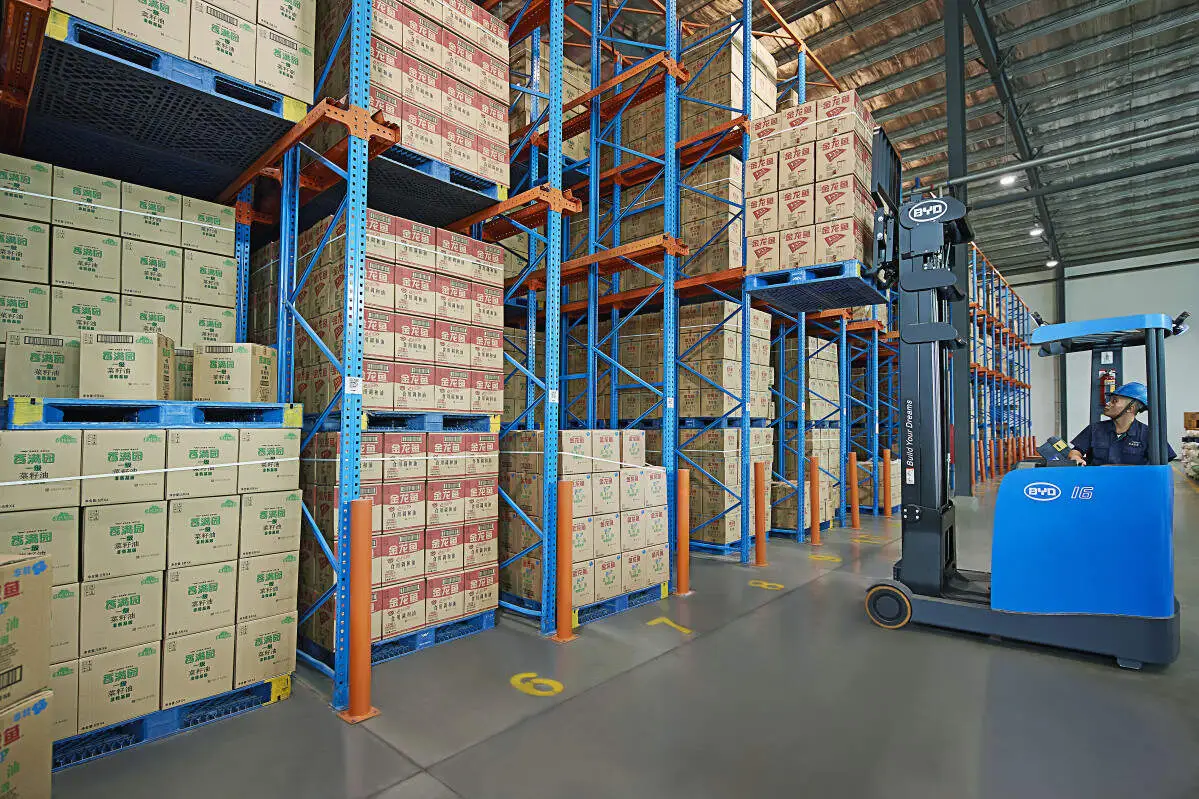
In the food industry, maintaining strict hygiene and safety standards is non-negotiable. Traditional internal combustion forklifts, while once a common choice, pose significant risks due to exhaust emissions that release harmful pollutants like carbon monoxide, nitrogen oxides, and particulate matter. These contaminants can contaminate raw materials, finished products, and the overall production environment, putting both food safety and employee health at risk. As regulatory requirements become more stringent, food processing plants, warehouses, and distribution centers are seeking cleaner alternatives to align with compliance standards and protect their operations.
Clean electric forklifts have emerged as a reliable solution to eliminate exhaust pollution in the food sector. Unlike their fossil-fuel-powered counterparts, electric forklifts operate using rechargeable batteries, producing zero tailpipe emissions. This means no harmful gases are released into the workspace, ensuring a safer, healthier environment for workers and preventing contamination of food products at every stage of handling, from storage to distribution. Additionally, electric forklifts operate with lower noise levels, reducing workplace noise pollution and creating a more comfortable and focused work environment, which is particularly beneficial in busy food production facilities.
Beyond their zero-emission benefit, electric forklifts are designed to meet the unique needs of the food industry. Many models feature smooth, easy-to-clean surfaces constructed from stainless steel, which resists corrosion and simplifies sanitization processes—critical for maintaining hygiene in areas where food is processed or stored. These forklifts also perform well in specialized environments like cold storage warehouses, where extreme temperatures can affect the performance of traditional equipment. With precise handling capabilities, they can navigate narrow aisles and tight spaces common in food storage facilities, improving operational efficiency without compromising safety.
When considering long-term operational costs, electric forklifts offer notable advantages. They have fewer moving parts compared to internal combustion forklifts, reducing the need for frequent maintenance and repair. Energy costs are also lower, as electricity is generally more affordable than gasoline or diesel, especially with the option to charge during off-peak hours. Over time, these savings can add up, making electric forklifts a cost-effective investment for food industry businesses looking to balance sustainability, compliance, and operational efficiency.
If you are looking to upgrade your food industry operations with clean, zero-exhaust electric forklifts, we offer BYD forklifts tailored to meet your specific needs. Whether you need equipment for cold storage, food processing, or warehouse distribution, our solutions are designed to support your compliance with hygiene standards while enhancing productivity. For inquiries and more information, please contact us via email at 17399989919@163.com.